
 Quality garden equipment & accessories since 1954
 Free UK Delivery on orders over £100
 30 Day returns policy
Experts' Guide on How to Stop Birds and Other Pests Eating Strawberries
- Admin
- WM James Gardening Blog
- 30 Jun 2026
-
1views
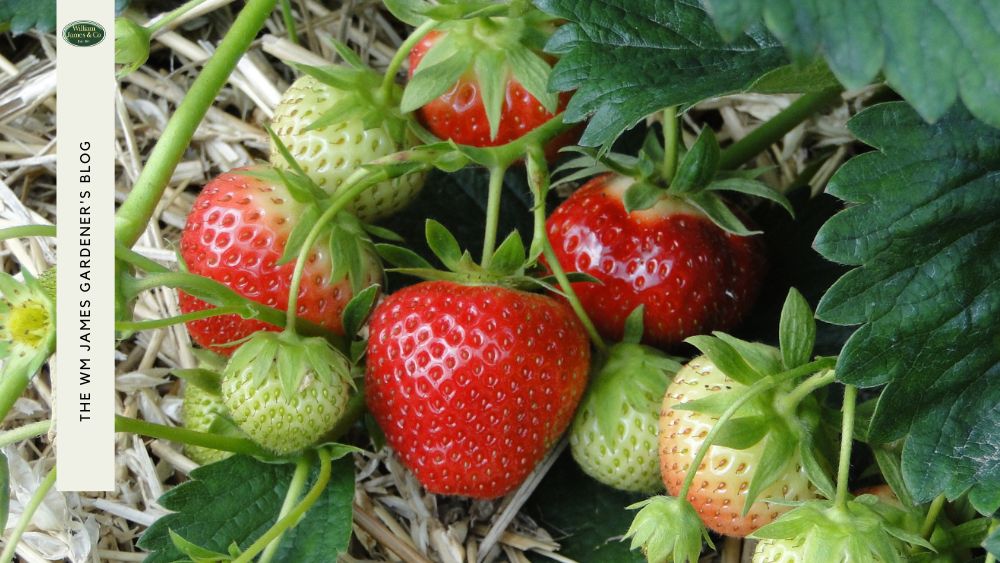
If you're struggling to keep the majority of your strawberry plants intact due to common garden pests like birds, slugs, squirrels, and more, we've written this handy guide on how to stop birds (and other creatures) from eating strawberries.
How to Stop Birds & Other Pests Eating Strawberries: The Key Bits
- The most effective way to stop birds eating strawberries is to use physical barriers such as fruit cages and garden netting, which prevent access while still allowing sunlight, water, and airflow to reach your plants.
- Natural deterrents like scarecrows, shiny objects, bird feeders, and audible devices can help discourage birds, but they work best when combined with physical protection.
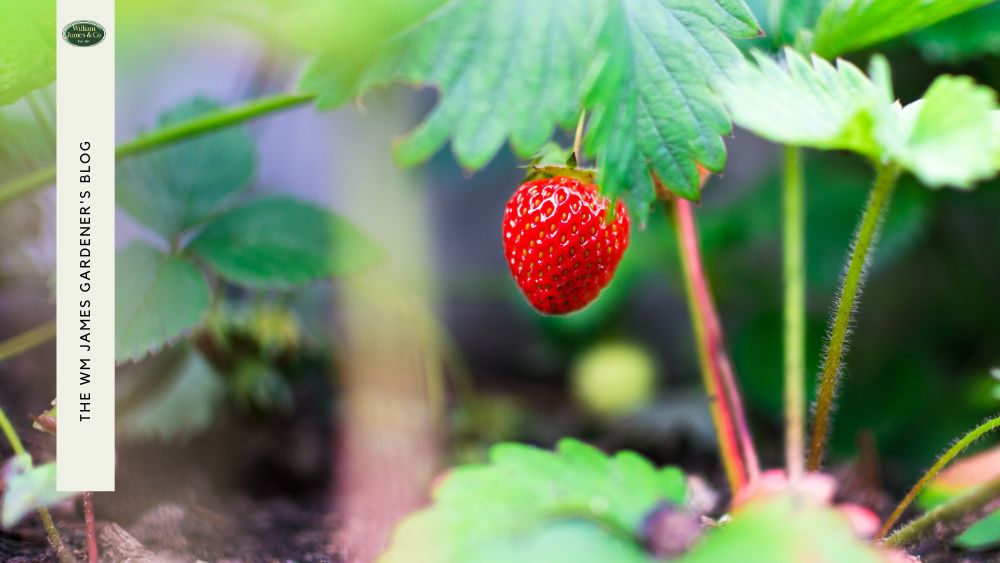
- Birds are attracted to ripe strawberries because of their bright red colour, sweet scent, and high water content, making fruit protection particularly important during harvest season.
- Covering strawberries with netting, cloches, fleece, or a fruit cage can also help protect crops from other common garden pests, including squirrels, slugs, insects, and rodents.
- Combining multiple pest-control methods and adjusting your approach throughout the growing season provides the most reliable way to protect strawberry plants and maximise your harvest.
While birds can be a pleasant sight in most UK gardens, they can also be a pain, having a great attraction towards bright, fragrant, juicy fruit like strawberries.
Their bright red colour and sweet smell signal a delicious, nutritious snack which hydrates them as much as fills them up.
And that's not to mention the other pests that are also strawberry-hungry.
The problem is, gardeners work hard to grow their crops, especially strawberries, which aren't the easiest, and having them eaten by unwanted visitors causes a great crop loss.
So, if you want to keep your strawberries whole, keep reading.
What’s Eating Your Strawberries?
While birds are common pests that can have a lasting impact on your strawberry plants, they aren’t the only creatures that can cause a low yield.
Find Our Guide to Protecting Soft Fruit Here
If you’re not sure if your plants suffer from birds, squirrels, or bugs on your strawberry plants, the below might help you identify the pests doing the damage:
| Pest | Signs |
| Birds | Peck marks, half-eaten fruit, berries disappear overnight. |
| Slugs & Snails | Irregular holes, slime trails. |
| Squirrels | Entire fruits removed, bite marks. |
| Mice & Rodents | Fruit nibbled close to the ground. |
| Wasps | Small holes in ripe fruit. |
| Aphids | Distorted leaves, sticky residue. |
Learn How to Protect Your Plants from Aphids
Physical Barriers for Strawberry Plant Protection
Physical barriers for protecting your strawberry plants, and any plant for that matter, are the most effective way to keep birds and pests off your crops.
While other methods (natural, visual, audible, etc) can be useful as a first port of call, with physical barriers, there is little to no risk that pests will be able to reach your plants.
If gardeners don't mind erecting a new structure or including some netting within their outdoor space, a physical barrier is the most reliable, effective way to safeguard your strawberries.
At William James & Co., we've supplied fruit cages, netting, and crop protection products to UK gardeners for decades, helping protect everything from strawberries and raspberries to vegetables and young trees.
Below are some of our favourite examples.
Fruit Cages
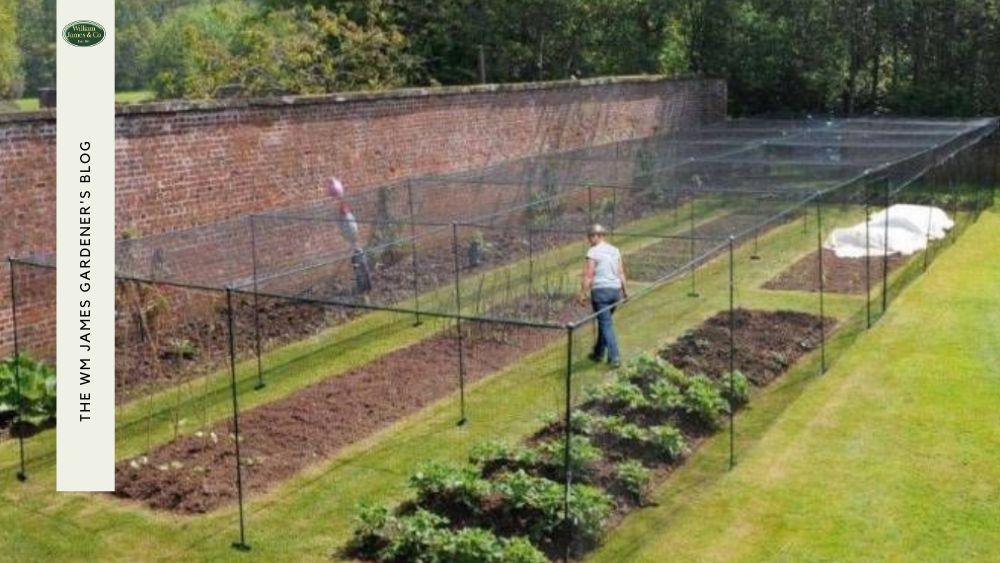
Fruit cages are the best way to protect strawberries from birds and large pests that wreak havoc on your yield.
Browse Our Fruit Cage Range Here
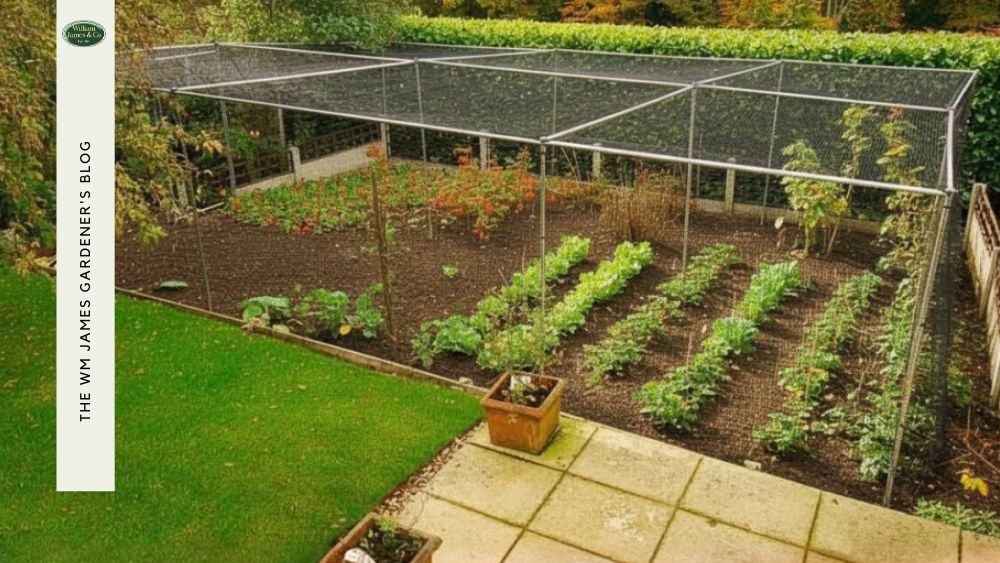
Creating an enclosed space for your fruit crops (and vegetables) that not only protects against pests, but also allows light, water, and ventilation to nourish your strawberries is a recipe for success.
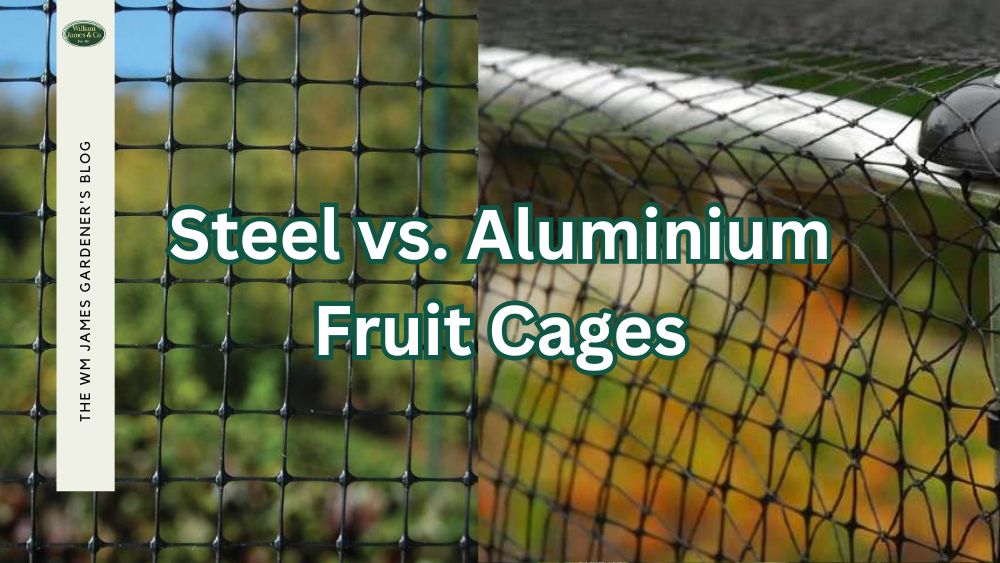
We offer a selection of fruit cages here at William James & Co., made from robust materials like sturdy steel and lightweight aluminium, paired with our heavy-duty garden netting (which we'll go into more detail about below).
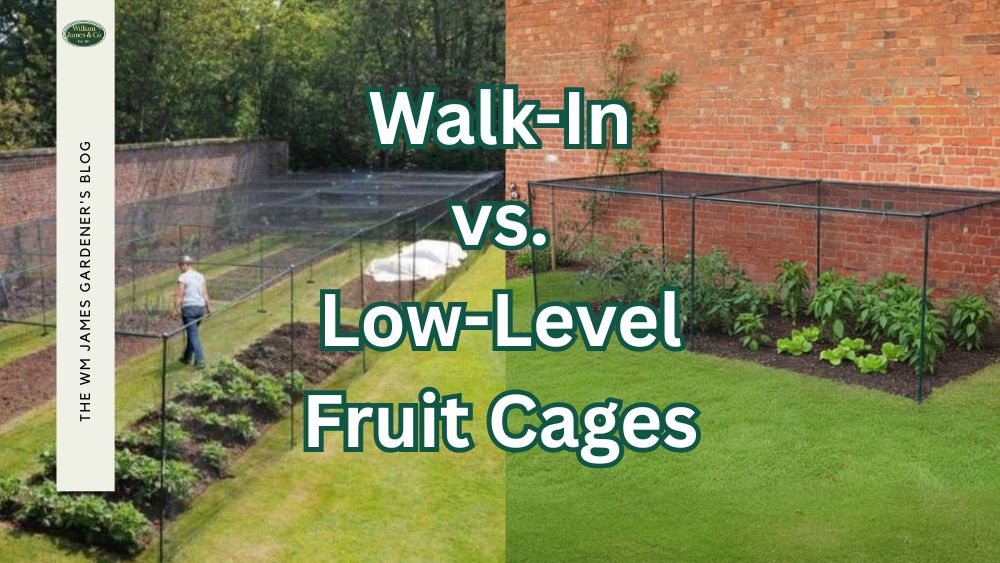
Choose from our vegetable cage design, which is shorter and suitable for low-growing plants, or our walk-in design, allowing gardeners to walk through the door and tend to their crops in an enclosed space.
Each fruit cage is made to measure, so you can assemble your cage in the smallest or largest of garden spaces.
Shop our selection below, or head to our fruit cage buying guide, which will help you decide which one is best for you.
-
 Classic Steel Low Vegetable CageFrom: £144.30
 -
 Premium Aluminium Low Vegetable CagesFrom: £115.64
 -
 Classic Steel Walk-in Fruit Cage Frame & NettingFrom: £327.70
 -
 Premium Aluminium Walk-In Fruit Cage Frame & NettingFrom: £236.92
Strawberry Netting
Strawberries need netting to remain properly covered from pests. This is another one of the top methods for protecting them.
Browse Our Netting Selection Here
As a fruit cage, the netting acts as a durable barrier, while still allowing sunlight, water, and ventilation through to the strawberry plants.
Made from thick, UV-stabilised, rot-proof, knotted, or knotless netting, covering strawberries with our netting netting is exactly what you need to protect them.
Available in various mesh sizes, including fine insect mesh designed to help reduce problems from small pests such as aphids and whitefly, we have all the netting you need to keep out your most problematic pests.
Shop some of our extensive range below, or head to our netting section where you'll find the right netting for your needs.
If you need help, find our buying guide here, which will tell you everything you need to know about garden netting.


Cloches
If you're starting your strawberries from seed and the time has come to plant your seedlings outside, you should take greater care, as young plants are often most vulnerable.
Luckily, cloches are an excellent physical barrier against all kinds of pests, including birds, slugs, insects, and rodents, to keep your strawberry plants thriving until they reach full fruit.
Usually made from strong plastic or glass, these physical barriers can get quite warm, especially during summer months and shoulder seasons. If you are using them, ensure good ventilation and cease using them during periods of intense sun.
Having said that, cloches can, then, be used to keep heat in during the winter months, helping your plants survive during this time.
Find our selection of UV-stabilised plastic bell cloches below and help protect your young seedlings.


Fleece Protection
A horticultural fleece's primary function is to keep plants warm throughout the harsh UK winter, but it also serves as a form of pest protection.
Find Our Horticultural Fleece Range Here
Because of its tight, fibrous material, it can stop common garden bugs on strawberry plants. It also works to keep out larger pests like birds.
Our fleece netting is made from 35gsm fleece for durability, without hindering light or ventilation. Discover our range below and protect your plants during cold snaps.


Please note that using this material in the summer may cause fungal diseases due to the excess heat. If you opt for this method of protection, be sure to do so only during the winter months.
Polytunnels
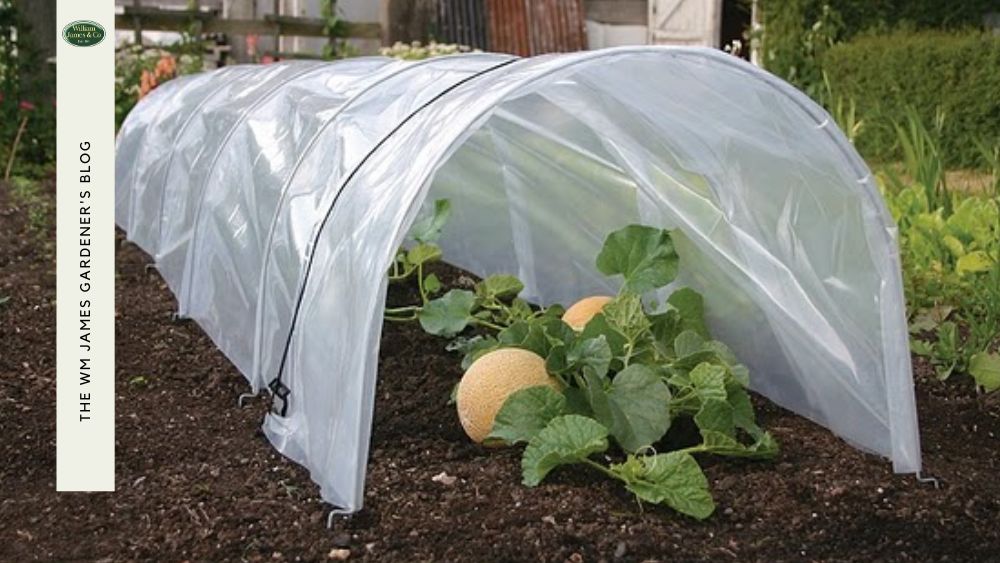
Not only are polytunnels excellent at keeping your plants warm in the winter and shaded in the summer, but they can also act as barriers against birds, insects, and larger garden pests.
Browse Our Extensive Range of Polytunnels Here
Polytunnels are usually made from a strong cover fashioned from UV-stabilised polyethylene plastic and a heavy-duty steel hoop frame.
Although a polytunnel's main purpose is to keep plants and soil warm and protected from wind and rain, it can also be used for larger pest protection.
Read: 9 Creative Polytunnel Ideas for Your Garden
Keep in mind to maintain good ventilation in these structures, or you may find that smaller pests like aphids begin to thrive.
Check out some of our extensive range below, or head to our polytunnel section for more.


Visual, Audible, and Natural Deterrents for Strawberry Plant Protection
For gardeners who prefer to go down the natural route, using methods that don't necessarily cover the plants or involve a garden structure, that's completely understandable. We know that many enjoy keeping their outdoor space looking wild and natural.
Learn More About Wildlife Gardening & Why It’s Important
That's why we have included some of our favourite ways to naturally deter birds and other pests using visual, audible, and other methods.
However, it is important to note that these methods aren't guaranteed, reliable deterrents, and if you continue to see pests pecking at your strawberries, you may need to intervene with a physical barrier.
The methods below are excellent accompaniments to physical barriers, as well as a useful first port of call.
Visual Scare Devices
Visual scare devices are used to deter birds and other pests by making them think predators are close to the strawberry plants. If they already think predators are there, they're less likely to have a go themselves.
This can include things like:
- Scarecrows
- Life-size models of birds
- Moving laser systems
- Mirrors
- Holographic ribbons and other shiny objects (we'll talk more about this later)
Birds quickly become accustomed to static deterrence, though. Chances are, they'll realise your scare devices aren't true predators and likely get used to their presence.
To ensure this method stays effective, move the scare devices periodically, so birds and other pests aren't always expecting them.
You should also pair a method like this with a physical barrier for best results.
Audible Scare Devices
Audible scare devices use sound to deter birds and other pests. These devices emit loud noises that startle and scare off birds, making them think twice about returning to your strawberry patch.
Some common types of audible scare devices include:
- Windchimes
- Bio-acoustic and sonic devices
- Predator calls
- Alarms
Birds can often adapt to these types of sounds, though, so it's best to use a number of methods to avoid birds becoming too used to them.
You also have to consider noise pollution. If you live close to others, it's not overly neighbourly to have loud sounds playing throughout the day and night.
Bird Seed and Water
The main reason birds come to your garden for your strawberries is to increase their food and water intake.
Providing an alternative source of food and water may reduce the likelihood of birds targeting your strawberries.
Not only does that keep your plants intact, but you still get the added benefits of having birds in your garden, such as pest control, garden biodiversity, and weed management.
Learn more about feeding birds in your garden on the RSPB (The Royal Society for the Protection of Birds) website.
Shiny Objects
Believe it or not, using shiny objects can actually be used to scare birds away from your plants. The shine can sometimes disorient birds and cause them to fly off course, aka, away from your strawberries.
The glisten in the sunlight may also startle them, causing them to fly off.
However, this isn't a foolproof method, and you may want to consider pairing this with something else for maximum effect. Plus, birds tend to get used to these types of deterrents. This means you'll need to move them around periodically to ensure birds don't ignore them.
Copper Tape
You may have noticed that not many of our methods are savvy at preventing snails and slugs from getting into your strawberries.
If these critters are your number one issue regarding strawberry plants, we recommend using copper tape to deter them.
When a slug's or snail's slime comes into contact with the copper around your strawberry pots or raised beds (another way to deter them), it causes a mild electrical-like reaction that turns them away.
Top tip: Egg shells can also work as a great deterrent for snails and slugs, causing the soil below the strawberry plants to be too jagged to cross. Next time you crack an egg, be sure to save the shell and crush some close to your strawberry plant.
Pick Berries Early
Picking your strawberries when they're first ripe is best practice, not only to enjoy the strawberries at their peak, but also to save them from hungry animals and insects.
If you leave your fruit to get even sweeter and riper, birds are more likely to be drawn to them and their scent.
Equally, if you leave your strawberries to the point of rotting, non-beneficial insects will feed on them, causing an infestation of bugs on your strawberry plants.
It's always best practice to pick your fruit at peak ripeness and remove any damaged or rotting fruit as soon as you can.
Combining Pest Prevention Methods for Best Results
A multi-layered approach is more effective than relying on a single method. By combining different deterrents, you can keep birds away from your plants while still encouraging beneficial insects to visit.
This tailored approach works because different birds and insects have different behaviours, allowing you to create an environment that deters a wide range of pests.
The size of your garden also matters. For a balcony or small courtyard, a large fruit cage might be impractical. In this case, start with a few natural methods. If you need more protection, you can try netting or a cloche.
It's also wise to monitor pests seasonally. For example, during harvest season when your fruit is ripest, birds will be most attracted to your garden. This is a good time to ramp up your deterrents.
Conclusion: How to Protect Strawberries from Birds & Pests
Protecting your strawberry plants is essential because, unfortunately, garden creatures love them just as much as we do!
To recap:
- Physical barriers are the most effective way to deter birds and pests
- Natural, audible, and visual deterrents are useful as the first port of call or in conjunction with physical barriers
- Consider your garden size and the season before choosing your method of protection
- Birds are attracted to strawberries because of their water content and bright colour. Put bird food and water out to attract them away from your plants
- Using multiple prevention methods (natural and physical) will help keep various pests away from your strawberries, not just a few
- Choose William James & Co. for your netting and fruit cage needs for professional, reliable, and durable strawberry protection
By following our steps, you can create a garden that produces a high yield without the disturbances of pests.
If you need netting, fruit cages, cloches, or other garden products, shop our popular items below and watch your strawberry plants thrive.
For more help and guidance on garden plants, head to our blog, where you'll find lots of helpful information and expert tips. With more than 60 years of experience in the horticultural industry, we know a thing or two about pest prevention.
FAQs
What Can I Use for Covering Strawberries?
If your aim is to protect your strawberry plants from birds and other garden pests, garden netting is an excellent cover.
Its mesh works to keep out unwanted visitors while still providing access to sunlight, airflow, and water.
If you're worried about your strawberry plants in the winter, it's also possible to use cloches, fleece, and polytunnels.
When Should I Protect My Strawberry Plants from Pests?
It is best to protect your strawberry plants from pests before they become a problem. This means setting up protective covers or barriers as soon as the plants start to grow and produce fruit.
Pests can quickly destroy a crop of strawberries, so it's important to take preventative measures early on.
How Can I Stop My Strawberries from Getting Eaten?
There are plenty of ways you can stop strawberries from being eaten by birds, larger pests, like squirrels and deer, and insects like slugs and snails.
Some of the methods include strawberry netting, fruit cages, visual deterrents, and audible deterrents.
For more, head to the blog post above.
Can Birds Eat Strawberry Leaves?
While birds certainly can eat strawberry leaves, that doesn't mean they necessarily will.
Birds are much more heavily drawn to the sweet, bright, fragrant fruit than the foliage around them.
Which Birds Eat Strawberries?
There is a huge variety of birds that enjoy eating strawberries, and will jump at the chance if you grow them in your garden.
Strawberry-loving species can include starlings, magpies, blackbirds, robins, and many more common garden birds.

 RSS Feed