
 Quality garden equipment & accessories since 1954
 Free UK Delivery on orders over £100
 30 Day returns policy
How To Install Deer Netting: A Step-By-Step Professional Guide
- Admin
- WM James Gardening Blog
- 19 Feb 2026
-
151views
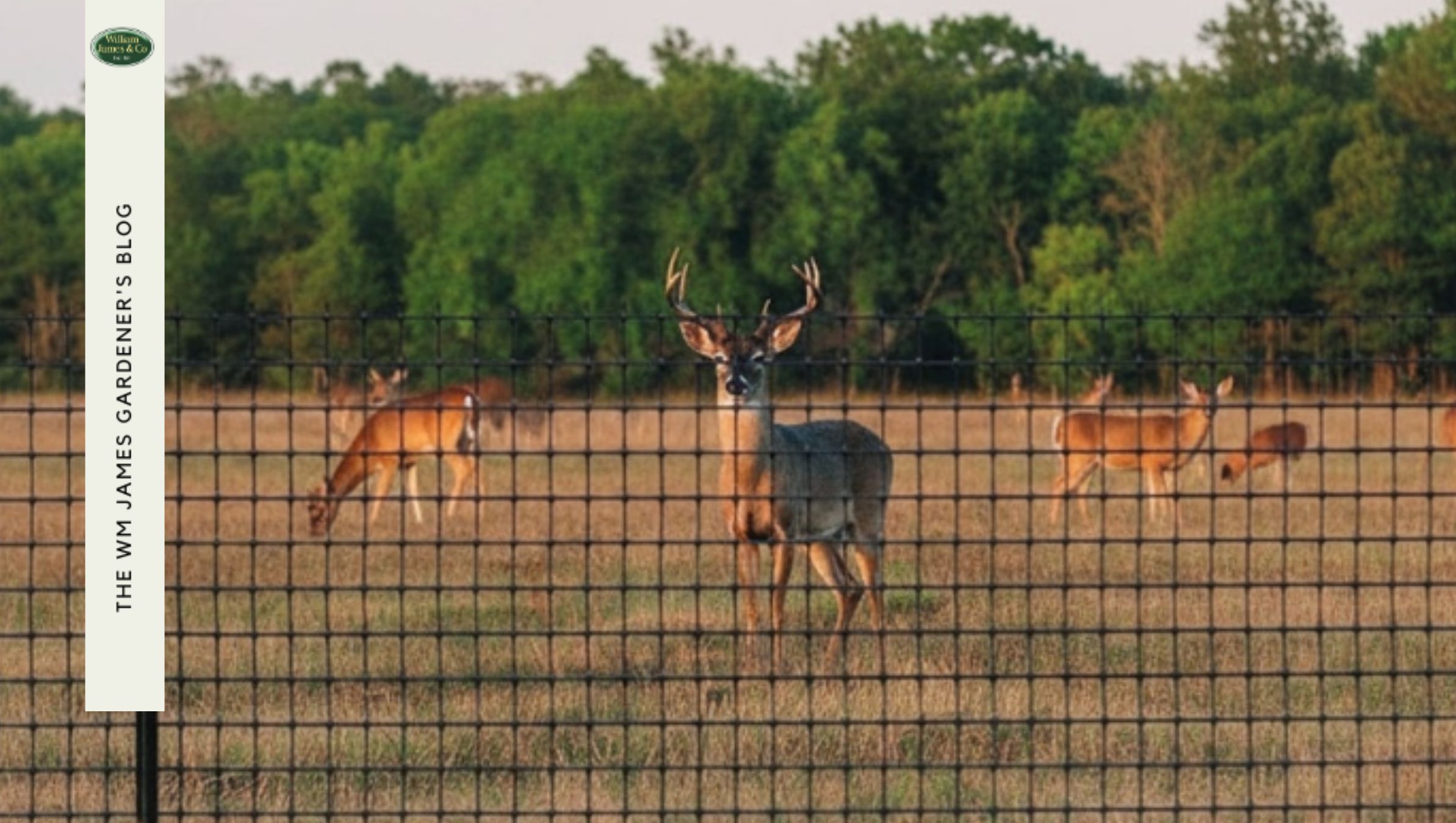
Deer aren't the first animal that comes to mind when you think about potential threats to your garden plants, but (depending on where you live) they can be the biggest destroyers. That's why knowing how to install deer netting effectively is key for protecting your garden.
Whether you've had trouble with deer getting into your vegetable patch before or you want to prevent any run-ins before they happen, this guide will help you install deer netting to professional standards for peace of mind and security.
Installing Deer Netting at a Glance:
- Measure the full perimeter first and add extra length to account for overlaps and secure fixing points.
- Install strong corner and end posts, then run tensioning wire along the top and bottom to support the netting.
- Fix deer netting at a height of approximately 1.8–2 metres to prevent deer from jumping over.
- Secure the mesh tightly to posts and wires, overlapping sections and anchoring the base to stop deer from pushing underneath.
- Inspect and re-tension the netting regularly to maintain effectiveness over time.
How To Install Deer Netting
Installing deer netting isn't overly complicated, but there are some specifics that are required to keep the netting safe and effective against unwanted deer visitors.
Essential Tools & Material Checklist
- Deer Netting.
- Support Posts (Treated timber or metal).
- Straining Twine/Tensioning Wire.
- Cable Ties or Netting Clips.
- Ground Stakes (to prevent "crawling under").
- Post-hole digger/Sledgehammer.
Pre-Installation: Planning Your Perimeter
The first thing you need to do is plan your perimeter to know how much netting you're going to need to create an effective barrier.
To determine how much deer netting you need, calculate the total perimeter of your area and add 10% to the total. This extra allowance accounts for overlapping, securing the edges, and installation waste, ensuring you have full coverage without any gaps.
You also need to clear the area of any brush, rocks, or debris before installing your deer netting. This ensures the net sits flat against the ground, preventing deer from finding gaps to slip through.
Step-By-Step Installation Guide:
Step 1: Setting the Corner & End Posts:
Ensure corner and end posts are sturdy and driven deep into the ground for stability. This provides a strong framework to support the netting and prevent it from loosening over time.
- Step 2: Running the Straining Wire:
Run a straining wire or strong twine along the top and bottom of the posts, securing it tightly to prevent sagging. Use tensioners to keep the wire taut.
This creates a firm structure for the netting, enhancing its durability and ensuring it remains effective for a longer period.
- Step 3: Unrolling the Netting:
Unroll the deer netting slowly and evenly, keeping it taut and free from snags. Secure one end before unrolling further to prevent tangling and ensure proper alignment.
- Step 4: Attaching the Mesh:
Use cable ties or hog rings to attach the netting to the straining wire and posts. Space them evenly along the wire, about every 12 to 18 inches, to keep the net taut.
Don’t overtighten the ties or rings, as this could damage the netting or strain the wire. For extra stability, attach the netting to each post in several places using the same method.
Step 5: Securing the Base:
To use the "L-Shape" technique, flare the bottom 6 inches of netting outward away from your plants and stake it securely to the ground. This prevents deer from lifting the net as they attempt to breach it, creating an additional barrier that enhances the effectiveness of your fencing.
Understanding Height & Mesh Requirements for Deer Netting
In order for deer netting to be effective, you have to install it at the correct height and have the right mesh size and materials to protect your garden without harming wildlife.
Differences Between UK Deer Species
The two main deer species commonly causing issues in UK gardens are Muntjac and Roe Deer, and understanding their behaviour is key to effective netting.
- Muntjac Deer are smaller in stature but highly persistent, often pushing against barriers to gain access.
- Roe Deer are capable of jumping to significant heights, making them a challenge for shorter fencing.
Because of these differences, it’s essential to use tall netting to prevent Roe Deer from leaping over and to ensure it is securely anchored at the bottom to deter Muntjac from pushing beneath it.
Standard Deer Netting Height
The standard height for deer netting is generally set between 1.8m and 2m, as this is recognised within the industry as being sufficient to prevent Roe Deer from jumping over it.
This height ensures an effective barrier while remaining practical to install and maintain. By adhering to these specifications, you can significantly reduce the risk of deer breaching your netting.
Selecting the Right Mesh

A 50mm mesh size is an optimal choice for deer protection as it strikes the perfect balance between robustness and practicality.
This mesh size is small enough to prevent deer from pushing through or getting their hooves caught, while also allowing sufficient light and airflow to pass through, ensuring that the surrounding environment remains unaffected.
Our 80gsm extruded polyethylene netting stands out as a highly durable and reliable choice for deer protection.
Made from high-quality materials, this netting is built to resist wear, tear, and tough weather conditions. Its 80gsm design makes it lightweight but strong, making it easy to handle and install while staying durable over time.
The UV-stabilised polyethylene prevents damage from sunlight, extending the netting’s lifespan. Durable and reliable, it’s a great choice for long-term deer management.
Order High-Quality Deer Netting
Pro Tips for a Long-Lasting Fence
Of course, the installation of the netting is just the first part. To make sure your deer netting continues to protect against unwanted visitors, you need to look after it.
Here are our top tips for a long-lasting deer fence.
1. Make the Fence Visible to Deer
Deer netting can be hard for deer to see, especially in low light or when it blends in with the background.
To make it more visible, you can add markers or white ribbons to the fence. These visual cues help stop deer from accidentally running into the netting, which is sometimes called "ghosting."
By making the fence easier to see, you can prevent injuries to the deer and damage to your netting. This simple step can improve your fence's lifespan and protect local wildlife.
Read our tips on how to keep cats out of your garden for more harmless pest prevention.
2. Maintenance Tips
Regularly inspecting your deer netting is the best way to keep it strong and effective. Over time, netting can sag or develop holes, especially if animals chew through it or heavy snow and ice weigh it down during winter.
Make it a habit to check for damage after a storm. By repairing holes promptly and re-tightening any loose sections, you'll ensure your fence netting remains a reliable barrier for your plants.
3. Ensure Correct Overlapping
When installing deer netting, make sure the overlaps are properly aligned to avoid gaps that deer can get through.
Each section of netting should overlap by at least 30cm to create a secure barrier.
Check the overlaps regularly during maintenance, as wind or animal activity can cause the netting to shift.
Keep Your Garden Secure with Properly Installed Deer Netting
With proper installation and the right choice of netting, keeping deer out of your garden and away from your plants is a straightforward process.
By selecting durable deer netting and ensuring it is securely fastened and correctly overlapped, you create an effective barrier that prevents deer from entering and provides ongoing protection for your garden.
Following these simple steps ensures that both your plants and your garden remain safe from deer intrusion.
Keep Deer Out of Your Garden With W.M. James Deer Netting
At W.M. James, we stock professional-grade deer netting designed to protect your garden from unwanted deer intrusion.
Crafted for durability and reliability, their netting provides a secure barrier to safeguard your plants and flowers. Ideal for gardeners seeking long-lasting solutions, we offer premium-quality netting to ensure peace of mind.
Don't leave your garden to chance. Shop the W.M. James range of heavy-duty deer netting and installation accessories today for a professional-grade solution.
Shop Our Range of Deer Netting
FAQs
How Far Apart Should Posts Be For Deer Netting?
Posts for deer netting should typically be spaced 6 to 8 feet apart to ensure the netting remains taut and secure.
Proper spacing provides effective protection while maintaining stability against external pressure from wildlife or weather conditions.
How Effective is Deer Netting?
Deer netting is highly effective when installed correctly, preventing deer from accessing gardens or crops.
It acts as a physical barrier, protecting plants without harming wildlife, and is a long-lasting, eco-friendly solution for deterring deer.
Does Deer Netting Pose a Threat to Birds?
No, deer netting does not usually pose a threat to birds if installed properly.
Choosing a fine, visible mesh and securing it tightly reduces the risk of entanglement, ensuring safety for birds while effectively deterring deer.
Find out how to attract birds to your garden with our simple guide.
Can I Install Deer Netting on an Existing Fence?
Yes, you can install deer netting on an existing fence.
Simply attach the netting to the fence using clips, ties, or staples, ensuring it is taut and secure to maximise its effectiveness in deterring deer.
How Long Does Extruded Polyethylene Netting Last?
Extruded polyethylene netting can last 5–10 years.
Its durability depends on factors like UV exposure, climate, and maintenance.
Opting for UV-stabilised netting further extends its lifespan, making it a reliable and long-lasting solution for protecting your garden or property.
When Will My Deer Netting Be Delivered?
Our deer netting is typically delivered within 3 working days.
Free delivery is available for orders over £100.



 RSS Feed