
 Quality garden equipment & accessories since 1954
 Free UK Delivery on orders over £100
 30 Day returns policy
Your Guide to Building a Climate-Resilient Garden in the UK
- Admin
- WM James Gardening Blog
- 9 May 2026
-
2views
Building a climate-resilient garden in the UK is an important consideration for those concerned that climate change may alter the way they garden, or want to be more sustainable and planet-conscious. If that's you, welcome to our guide.
To help beginner gardeners get started (or seasoned green thumbs looking to be more mindful in their gardening), we've put together a step-by-step guide on how to build a climate-resilient garden.
You'll also find helpful content on what climate-resilient gardening actually is, things to avoid in such gardens, as well as climate-resilient plants you may consider. Read on for more.
Building a Climate-Resilient Garden: The 5 Key Steps
- Consider soil management: Healthy soil is key to a climate-resilient garden. To improve it, add organic matter, grow legumes to increase nitrogen, and understand your soil type.
- Water wisely: Don’t rely on tap or hosepipe water when you can harvest rainwater, which is better for plants, free, and reduces your household water consumption.
- Plant crops with care: Choose plants that suit their conditions. For example, plant water-loving crops in the ground of flood-prone gardens and use raised beds for other plants.
- Create shaded and sheltered microclimates: This protects plants from extreme weather. Use larger trees as natural canopies. Hardscaping elements can block wind and create warmer or cooler pockets. For sensitive plants or sudden cold snaps, use temporary shelters.
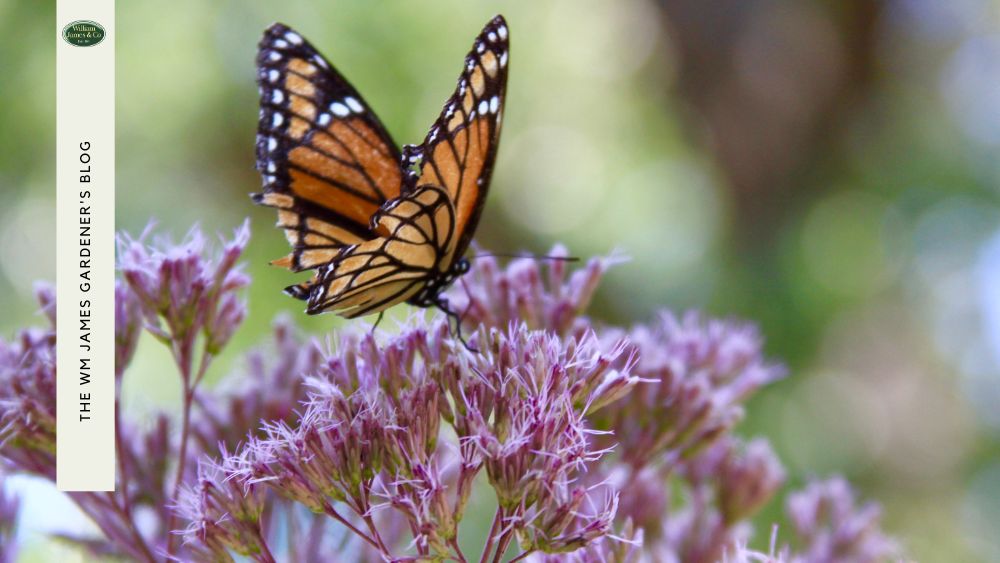
- Encourage wildlife to support the surroundings: Encouraging bees, butterflies, other beneficial insects, and birds can increase biodiversity in your garden. Do this by planting flowers like foxgloves, creating bug hotels, and putting out bird seed.
What is a Climate-Resilient Garden?
A climate-resilient garden is a type of garden that is designed to withstand the effects of extreme weather conditions and changing climates.
These gardens are built with the intention of reducing water usage, conserving energy, promoting biodiversity, and minimising waste wherever possible.
These gardening practices can include using compost and mulch for better soil health, implementing rainwater harvesting techniques, and encouraging beneficial wildlife.
Essentially, it's about creating a sustainable ecosystem within your own garden, something we at William James & Co. believe is extremely important.
Why Mindful Gardening in a Changing Climate Matters
Now, you know what climate-resilient gardening is, but why does it matter? It matters because of climate change.
Climate change is the long-term alteration of temperature and typical weather patterns in a place. This can result in extreme weather events, such as heat waves, droughts, floods, and storms.
These changes can have a major impact on our gardens by affecting plant growth and survival, soil health, water availability, and pest populations.
By implementing climate-resilient gardening practices, we can help mitigate the effects of climate change on our gardens, while also reducing our own carbon footprint by using more sustainable methods and materials.
For gardeners looking to future-proof their outdoor spaces, climate-resilient gardening is becoming increasingly important.
How to Build a Climate-Resilient Garden in the UK Step-by-Step
If you've been inspired to make some changes to your own outdoor space, we've created a step-by-step guide to building a climate-resilient garden.
With more frequent flooding, hotter summers, and an influx of new pests, a climate-resilient garden doesn't just benefit the planet; it also benefits you.
Helping you get better results, higher yields, and longer-lasting blooms, climate-resilient gardening will not only keep your carbon footprint down but also have your garden looking like a biodiverse, wild paradise.
Follow the steps below to help you achieve your goals.
Step 1: Consider Soil Management
Soil is the foundation of any successful garden, and it's especially important in a climate-resilient one, because healthy soil will help your plants grow stronger and better withstand extreme weather conditions.
To improve your soil health, incorporate organic matter like compost or mulch into your soil regularly to help retain moisture, improve drainage, and provide nutrients to your plants.
Growing legumes also helps to increase the nitrogen content in your soil, which helps plants thrive. Plants like lentils, beans, and chickpeas are great examples.
Understand your specific soil type, too. For example, clay-heavy gardens may struggle with waterlogging during wet winters, while sandy soils can dry out quickly during heatwaves.
Find Out the Best Soil for Growing Vegetables Sustainably
Step 2: Water Wisely
Using the tap and hosepipe to water your plants doesn't just increase your utility bills, but they also waste water significantly and are not efficient.
In some hard water areas, tap water can contain higher levels of minerals and chlorine, which may not suit certain sensitive plants over time.
A fantastic alternative is using a water butt to harvest rainwater. While you'll have the initial cost of the water butt, the water is completely free and much less harmful to plants.
A water butt will reduce your household's water consumption, lower bills, and it's handy during hosepipe bans.
Other things that can help you be more sustainable with water include reducing hard surfaces that cannot absorb water, mulching your soil so it retains water, and swapping any extremely thirsty plants for more drought-tolerant species.
Step 3: Plant Your Crops With Care
We'll talk more about what plants you should incorporate into your climate-resilient garden later, but considering where and how you'll plant your crops is also vital.
You can increase your garden's resilience to climate change by choosing plants that thrive in their natural surroundings.
For example, if your garden is flood-prone, consider planting thirsty crops that enjoy boggy conditions directly into the ground, and use raised beds and containers for anything else you want to grow.
Learn How to Achieve Vegetable Container Gardening Success
If your garden is a bit of a wind tunnel, plant tall plants in exposed, open areas to shelter smaller, more delicate plants in front of them (not at the expense of sunlight, though!).
Discover: Wind Protection for Plants
Is your garden particularly shaded for most of the day? Avoid plants like tomatoes, which need at least 6-8 hours of sunlight per day.
Once you've got a solid idea of your garden's characteristics, it becomes much easier to decide which plants to grow.
Step 4: Create Shaded and Sheltered Microclimates
Creating shaded and sheltered microclimates in your garden is an effective strategy to protect plants from extreme weather, such as scorching sun, drying winds, or frost. There are a few things you can do to achieve this:
- Strategic Planting: Use larger, hardier plants like trees and shrubs to create natural canopies. This provides shade for more delicate plants that might otherwise suffer from sun scorching. A well-placed evergreen can also act as a windbreak year-round.
- Hardscaping: Incorporate physical structures. Fences, walls, and trellises can block strong winds and create pockets of warmer, stiller air. A north-facing wall, for example, can create a cool, shady spot perfect for plants like hostas and ferns, while a south-facing wall will absorb heat and radiate it back, creating a warm microclimate ideal for growing figs or tomatoes in cooler regions.
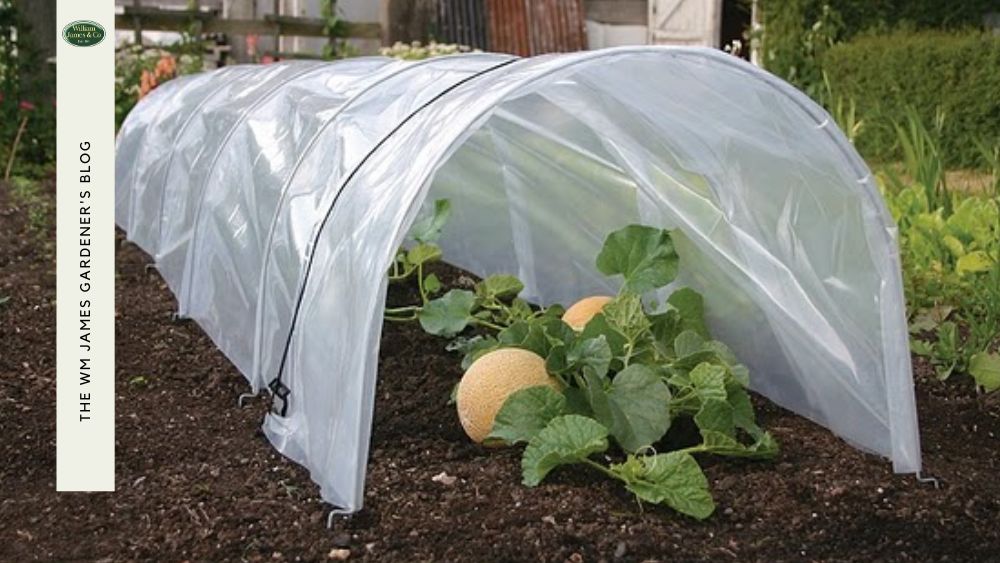
- Temporary Shelters: For more sensitive crops or during unexpected cold snaps, consider using temporary covers like cloches, cold frames, or even a small greenhouse. These structures trap heat and humidity, shielding plants from frost and wind, and can help you extend your growing season.
Learn How to Frost-Proof Your Garden
Step 5: Encourage Wildlife to Support the Surroundings
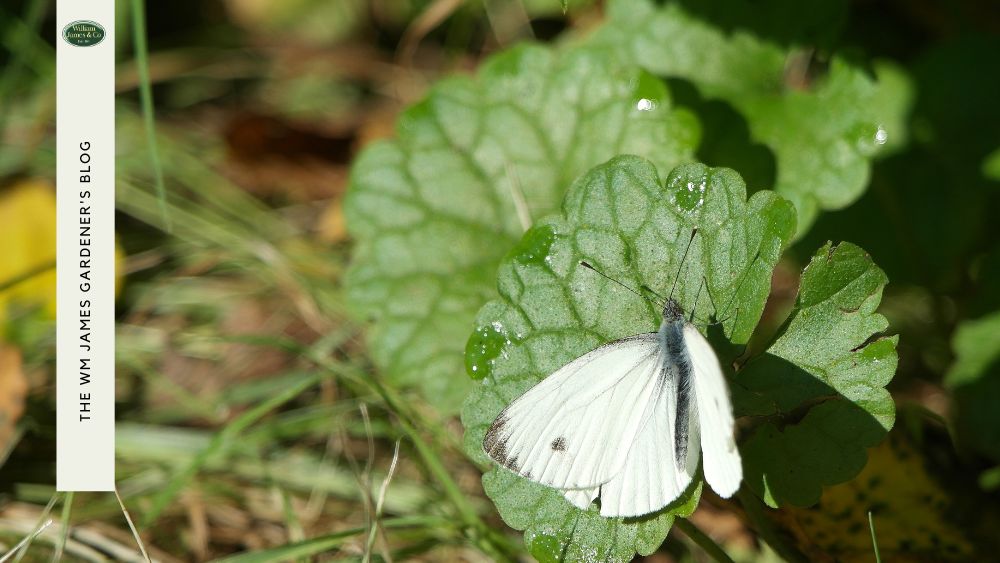
Birds, insects, bees, and butterflies — they are all essential for pollination and maintaining a balanced ecosystem.
Without them, your garden may struggle to thrive.
Ways to attract them include creating habitats such as birdhouses and bug hotels, planting flowers that are native to your area, and focusing on wildflower gardening, instead of opting for that polished, manicured look.
Read: When to Plant Wildflowers at Home in the UK
One of the most important aspects of encouraging wildlife is to ensure you cease the use of pesticides, which can be extremely harmful for all forms of wildlife, from plants to bugs and animals.
Be sure to use natural ways to prevent pests, like aphids, slugs, and cats, to avoid harming the surrounding wildlife that is beneficial to your garden.
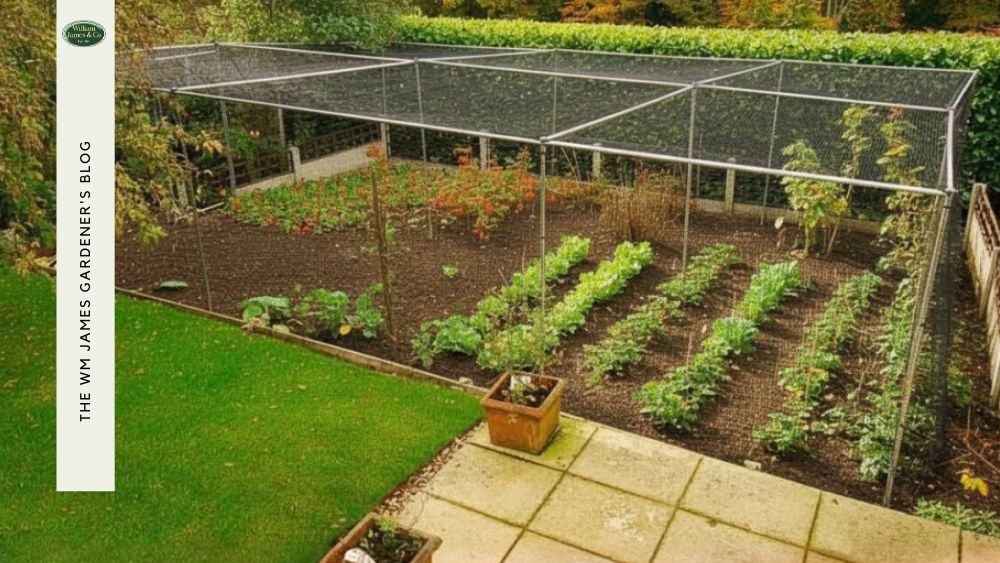
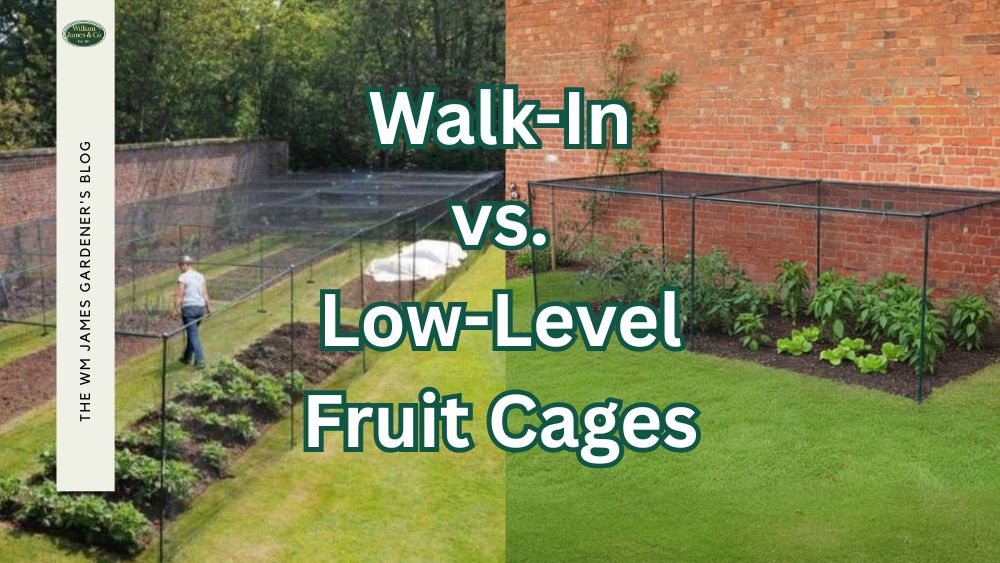
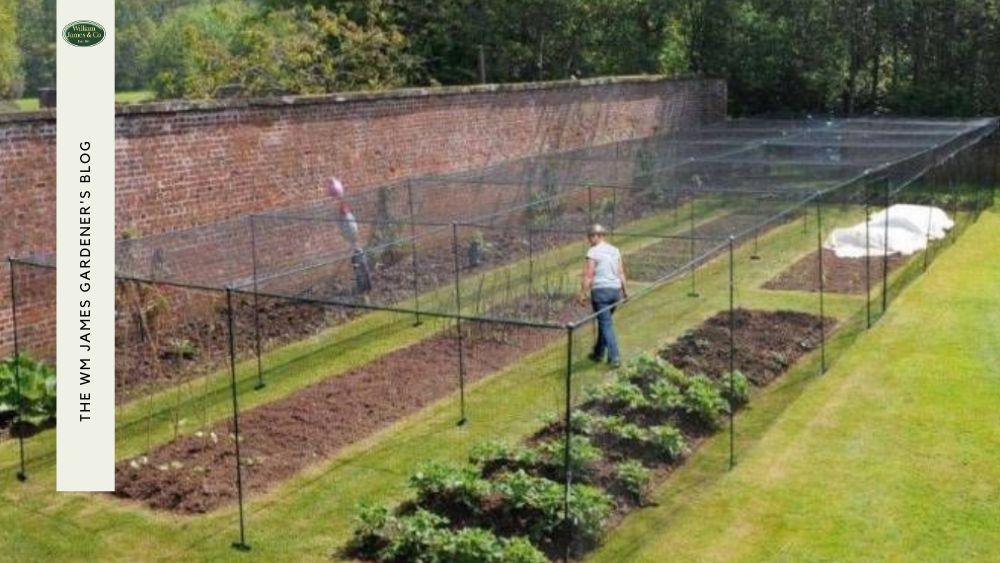
Some pest prevention tactics can include using garden netting, planting your crops in fruit and vegetable cages, and removing fallen debris from around your garden.
To find out more about encouraging different wildlife species to your garden and preventing harmful pests, head to our blog posts below:
- How to Attract Birds to Your Garden in 5 Simple Steps
- Wildlife Gardening: Why It’s Important & How To Do It
- 10 Tips On How To Stop Foxes In Your Garden
- How to Get Rid of Blackfly: Tips on Protecting Your Plants From Aphids
- 10 Tips on How to Keep Cats Out Of Your Garden (Harmlessly)
Actions Gardeners Should Take Now
If you don't have the time or can't commit a big enough budget for a climate-resilient garden right now, that's completely understandable.
If you still want to do your bit, just on a smaller scale, below are some quick wins you can try:
- Plant a tree: When big enough, trees will provide a canopy of shade to cool your garden down in hot weather, while also protecting against heavy rain. That's not to mention their ability to reduce carbon dioxide and house wildlife! See the RHS page for a list of trees suitable for you!
- Start a compost bin: Every gardener needs compost to help their plants thrive. They're also a great way to reduce your household waste. Start a bin today as an alternative to the more damaging peat-based compost.
- Use a water butt: Harvesting rainwater is an excellent way to save water from hose pipes or taps.
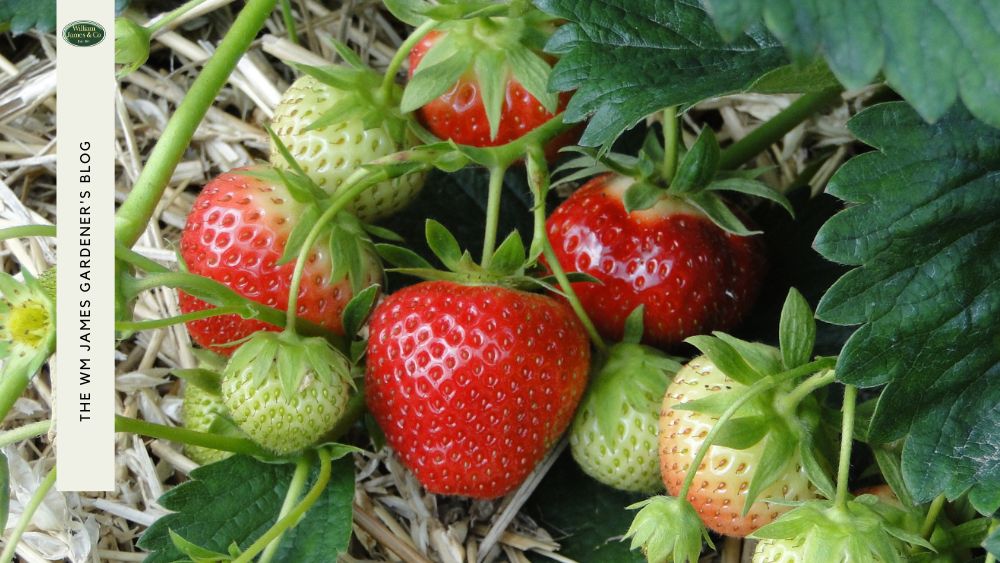
- Incorporate productive plants: Instead of relying on store-bought produce, consider growing your own fruits and vegetables. Not only will you reduce the carbon emissions from transportation, but you will also add beauty and diversity to your garden.
- Reduce hard landscaping: Hard surfaces like concrete and asphalt prevent rainwater from being absorbed into the ground, leading to runoff and soil erosion. Consider incorporating more permeable materials like gravel or mulch into your landscaping.
- Be renewable where possible: When building structures in your garden, consider using sustainable and renewable materials like bamboo or reclaimed wood.
Read: The Essential Vegetable Growing Calendar for UK Gardens
The Most Resilient Plants and Their Place in Your Garden
If you want to introduce a range of climate-resilient plants in your garden, but don't know where to start, take a look at our table with our top picks for the most resilient plants:
| Plant | What Makes It Climate-Resilient? | Key Traits |
|---|---|---|
| Lavender | Handles dry weather and poor soil well once established. | Drought-tolerant, fragrant, attracts bees and pollinators, evergreen in mild winters. |
| Sedum (Stonecrop) | Stores water in its leaves, helping it survive hot and dry periods. | Low-maintenance, colourful flowers, great for borders and rock gardens. |
| Verbena bonariensis | Thrives in heat and copes well with changing weather conditions. | Tall stems, attracts butterflies, adds height and movement to borders. |
| Hardy Geraniums | Adapt well to different weather conditions and recover quickly after rain or heat. | Long flowering season, easy to grow, and good ground cover. |
| Coneflower (Echinacea) | Tolerates drought and continues flowering during warm summers. | Pollinator-friendly, colourful blooms, suitable for sunny spots. |
| Hebe | Handles coastal weather, wind, and periods of drought. | Evergreen foliage, compact growth, flowers through summer. |
| Salvia | Performs well in hotter summers and needs little watering once mature. | Bright flowers, attracts bees, and has a long flowering period. |
| Ornamental Grasses | Flexible and hardy, coping well with wind, heat, and heavy rain. | Adds texture and movement, low-maintenance, and works in modern gardens. |
| Rosemary | Mediterranean herb that thrives in warm, dry conditions. | Evergreen, edible herb, fragrant, suitable for pots and borders. |
| Rudbeckia (Black-Eyed Susan) | Strong summer performer that copes well with heat and unpredictable weather. | Bright yellow flowers, long-lasting colour, attracts pollinators. |
| Willow | Naturally suited to damp ground and absorbs large amounts of water. | Fast-growing, helps manage wet areas, ideal for larger gardens. |
| Marsh Marigold | Ideal for boggy or poorly drained areas. | Bright yellow flowers, great for wildlife gardens and pond edges. |
| Mediterranean-Type Plants | Thrive in hot, dry, and harsh conditions. | Olive trees, fig trees, passion flower, and similar species. |
| Root Vegetables | Generally drought-tolerant due to extensive root systems and underground growth. | Beetroot, carrot, parsnip, potatoes. |
Discover the Ultimate Guide to Growing Root Vegetables
A good climate-resilient garden usually combines plants that can cope with both extremes of weather, including heavy rainfall and dry spells, while still supporting wildlife and requiring less maintenance over time.
Plants That Support Long-Term Garden Resilience
Some plants do more than simply survive changing weather conditions. Certain varieties can also improve soil health or help absorb carbon dioxide from the atmosphere, supporting a more sustainable and resilient garden overall:
- Nitrogen-fixing plants such as clover, peas, beans, and lupins naturally improve soil quality by adding nitrogen back into the ground, reducing the need for fertilisers.
- Deep-rooted plants like ornamental grasses and shrubs can help stabilise soil and improve drainage during periods of heavy rainfall.
- Trees, hedges, and dense evergreen planting can help capture carbon dioxide, while also providing shelter from wind, heat, and heavy rain.
What Gardeners Should Avoid When Building a Climate-Resilient Garden
When building a climate-resilient space, you may have to part with some of your old gardening habits.
There are some things many do that are best avoided in a sustainable garden, and some of those include:
- Using chemical pesticides: These can be harmful to beneficial insects and pollinators, as well as potentially contaminating the soil and water sources.
- Planting invasive species: These plants can quickly take over a garden and push out native species, disrupting the natural balance of the ecosystem.
- Manicured lawns: Traditional lawns require a lot of water and chemicals to maintain, which can be harmful to the environment. Consider using native grasses or creating more natural garden spaces instead. Wildlife are more likely to be attracted to wilder spaces.
- Using peat-based products: Peat is an important carbon sink, and its extraction for gardening purposes contributes to climate change. Consider using alternative materials, such as compost.
- Prioritise manicured aesthetics: Gardening should be about creating a sustainable and natural ecosystem, not just having a uniform space. Consider incorporating native plants to support local wildlife and reduce excessive maintenance.
- Planting water-hungry plants: Plants like ferns, celery, and giant rhubarb are extremely thirsty plants, so it's best to avoid these where you can to ensure your other plants get enough nutrients, especially during hot periods.
- Using fossil-fuel machines: Gardening equipment, such as petrol-powered lawn mowers and tools, will contribute to your carbon footprint. It's best to use an electric or non-powered alternative.
Last Words: Prepping Your Garden for the Future
Climate-resilient gardening is an excellent way to ensure you're planning for the future. Climate change isn't going anywhere, but you can still create a beautifully blooming space that's sustainable, supports biodiversity, and can withstand the elements.
Whether you're ready to go all in and follow our step-by-step climate-resilient gardening guide, or you want to make a few smaller improvements here and there, both can make a positive difference to our environment.
We hope we've given you everything you need to be more mindful of climate resilience, but if you have any questions, please don't hesitate to contact us. With over 60 years in the horticultural industry, we can help you with a thing or two.
If you want to find out more about gardening in general, whether that's how-to guides, pest management advice, or design tips, head to our blog, where we have plenty of helpful content to sink your teeth into!
Happy climate-resilient gardening!
FAQs
What Are the Most Climate-Resilient Plants?
Below is a selection of some of the most climate-resilient plants you can find in the UK:
- Lavender
- Root vegetables
- Mediterranean-type plants (rosemary, olive trees, fig trees)
- Willow
Find more in the blog post above.
What is the Problem With a South-Facing Garden?
While south-facing gardens are among the most desired in the UK due to their prolonged hours of sunlight, this can be a problem for some gardeners growing crops.
This is because most plants, especially during the height of summer, are thankful for some sun relief in the form of shade.
If you do have a south-facing garden, you should consider plants that are tolerant of full sun, like lavender and tomatoes.
How Can I Carry Out Climate-Friendly Gardening?
Climate-friendly gardening can be as much or as little effort as you want.
It could simply include using harvested rainwater to water your crops, planting a tree, or starting a compost bin.
If you want to take it that little bit further, you could plan different zones in your garden according to the soil and sunlight, plant a range of native plants, or start wildlife gardening.
What Makes a Plant Climate Resilient?
Plants classified as climate resilient are those with traits that allow them to survive even during extreme weather conditions, like drought, heavy rain, and intense heat.
Some of these traits include extensive root systems, waxy/hairy leaves, and plants that release aromatic oils.



 RSS Feed