
 Quality garden equipment & accessories since 1954
 Free UK Delivery on orders over £100
 30 Day returns policy
Walk-In vs Low-Level Fruit Cages: Which Is Best for Your Garden?
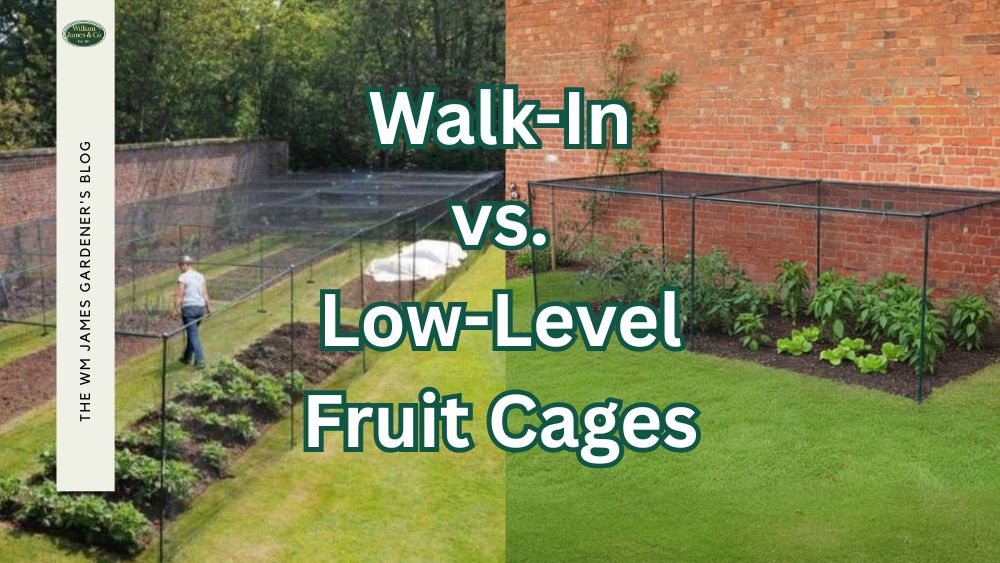
Fruit cages are the best garden structures for safeguarding your fruit and vegetables, but with so many options, how do you know which is best for your gardening style? In our walk-in vs. low-level fruit cages guide, we'll give you the details of both to help you make a decision.
Walk-In vs. Low-Level Fruit Cages: Key Takeaways
- Walk-in fruit cages are best for larger gardens, allotments, and gardeners growing fruit trees, berry bushes, and multiple crops in one protected enclosure.
- Low-level fruit cages are ideal for smaller gardens, raised beds, strawberries, salad crops, and other low-growing fruit and vegetables.
- Both cage types provide excellent protection against birds, rodents, cats, foxes, and other common garden pests using durable mesh netting and sturdy frames.
- The main difference is access: Walk-in fruit cages allow you to enter through a door, while low-level fruit cages are portable and designed to sit directly over crops.
- When choosing between the two, consider your available space, the mature size of your crops, future growing plans, and how frequently you'll need to access your plants.
Growing your own fruit and vegetables is an extremely rewarding process. But only if you actually produce a yield.
Instead of finding your freshly grown fruit has been eaten by common garden pests, fruit and vegetable cages offer an enclosure that gives gardeners the best chance of success when harvest season rolls around.
Providing a safe haven for your crops, a fruit or vegetable cage should be a top priority for all gardeners.
So, if you're ready to get yourself a garden cage, keep reading our guide to learn the best one for you.
What is a Walk-In Fruit Cage?
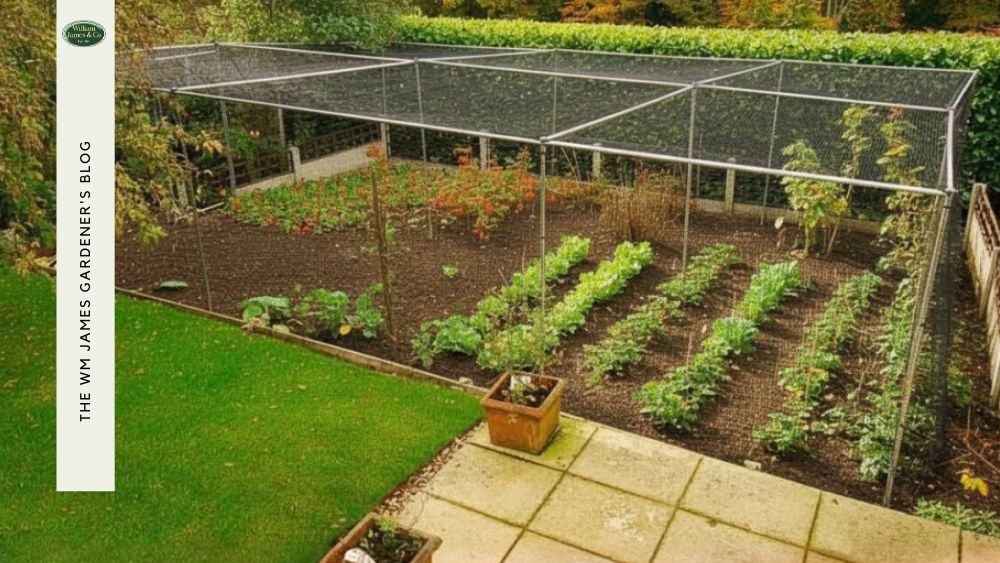
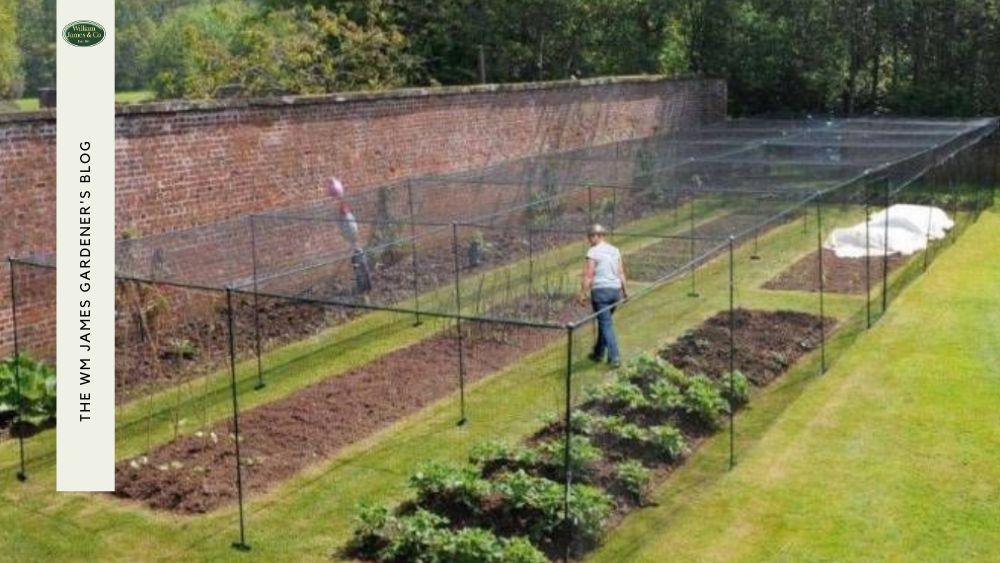
A walk-in fruit cage is the most popular style for large gardens, allotments, and commercial growing areas. This is down to their size.
Discover Our Walk-In Fruit Cages Here
Most walk-in fruit cages are around 2 m tall, just like ours here at William James & Co., and are usually used as fruit tree cages, among other things. This means you can grow large fruit trees, berry bushes, raised beds, and shorter fruit all within the same enclosure.
They are often made to measure, meaning the length and width are decided by the gardeners, depending on the space they have to work with and what they wish to grow.
Walk-in fruit cages (the clue is in the name) also have a door fixture, so you can go inside, walk through, and tend to your crops as needed, without having to move the structure.
This makes harvesting, pruning, sowing, and watering much more convenient.
But the best thing about a walk-in fruit cage? The pest protection.
Pest protection is what draws gardeners to fruit cages in the first place, offering excellent defence against common garden pests, like birds, cats, foxes, and rodents.
Learn How to Deter Cats From Your Garden Here
The sturdy mesh netting provides a physical barrier against the rest of your garden, allowing your fruit and veggies to grow without disruption.
Browse Our Fruit Cage Netting Here
The frame, often made from lightweight aluminium or heavy-duty steel, supports the netting, allowing gardeners to keep their structure installed in their outdoor space all year round (as long as essential maintenance takes place!)
As the leading supplier for fruit cages in the UK, if you'd like to browse our selection of walk-in cages, check them out below.
-
 Classic Steel Walk-in Fruit Cage Frame & NettingFrom: £327.70
 -
 Premium Aluminium Walk-In Fruit Cage Frame & NettingFrom: £236.92
What is a Low-Level Fruit Cage?
A low-level fruit cage is a smaller, more compact version of a walk-in fruit cage, giving gardeners with smaller plots or gardens the chance to protect their crops.
Find Our Low-Level Fruit Cages Here
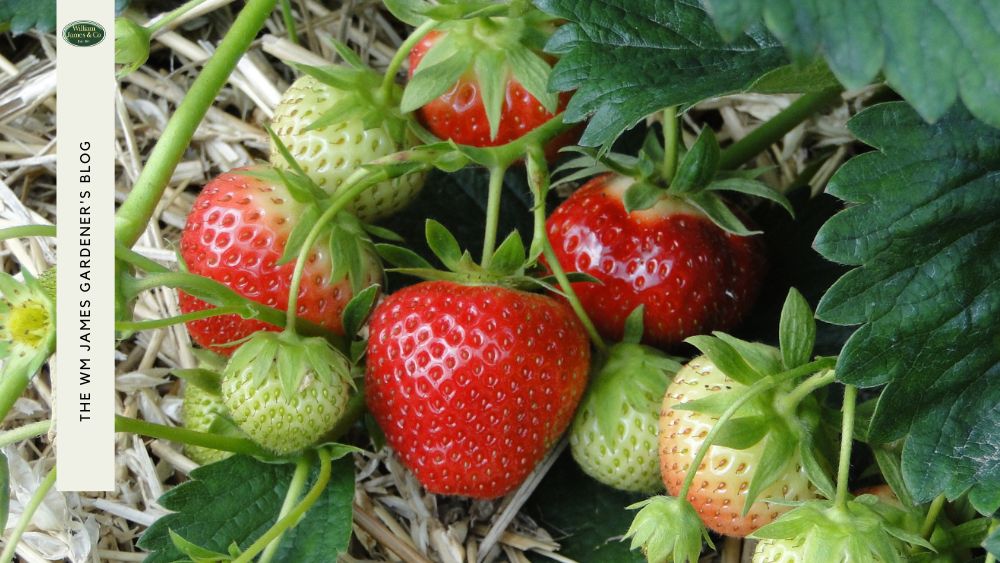
Usually just over 1.5 m in height, a low fruit cage is exactly that, short and close to the ground, perfect for growing step-over fruit trees, low salad crops (yes, tomatoes are a fruit!), and shorter bushes.
As with a walk-in cage, the low-level cages are also made to measure, allowing gardeners to have free rein over the width and length. Whether you have a new-build garden, a small courtyard, or even a balcony, you can create a fruit cage that fits within the space.
Discover: Balcony Gardening 101
What differs between the two types of fruit cages is that with low-level cages, you cannot go inside to tend to your crops; the cage is, instead, portable.
This means you can grow anywhere in your garden and simply place the cage over your plants, on your own or with the help of another, depending on the size.
Read: 8 Ways Garden Cages Can Be Used to Spruce Up Your Outdoor Space
Harvesting, watering, pruning, and sowing are just as convenient this way as with a walk-in fruit cage. You can even loosen the netting slightly to get to your crops without removing the whole cage.
The rest of the features of the fruit cage are the same as a walk-in one. The sturdy mesh netting provides a physical barrier so your fruit can grow without disruption.
The frame, made from lightweight aluminium or heavy-duty steel, supports the netting, allowing the structure to stay installed year-round with essential maintenance.
Browse our selection of low-level cages below.
-
 Classic Steel Low Vegetable CageFrom: £144.30
 -
 Premium Aluminium Low Vegetable CagesFrom: £115.64
Side-by-Side Comparison of Low Fruit Cages and Walk-in Fruit Cages
To help you understand more clearly the exact similarities and differences between a walk-in and a low-level fruit cage, we have created a comparison table. Check it out below:
| Feature | Walk-In Fruit Cage | Low-Level Fruit Cage |
| Typical Height | Around 2 m tall, allowing most gardeners to comfortably stand inside. | Usually around 1.5 m tall or lower, designed to sit close to the ground. |
| Best For | Large gardens, allotments, and commercial growing areas. | Small gardens, courtyards, balconies, raised beds, and compact growing spaces. |
| Suitable Crops | Fruit trees, berry bushes, raised beds, soft fruit, vegetables, and mixed planting schemes. | Strawberries, step-over fruit trees, salad crops, low-growing vegetables, and shorter fruit bushes. |
| Access to Crops | Features a built-in door, allowing you to walk inside and tend to plants without moving the structure. | Cannot be entered. The cage is placed over crops and can be lifted or partially opened when access is needed. |
| Harvesting & Maintenance | Easy access for harvesting, watering, pruning, weeding, and general maintenance. | Convenient access by lifting or loosening the cage or netting when required. |
| Footprint Flexibility | Made to measure, with customisable length and width to suit larger growing areas. | Also made to measure, making it suitable for awkward or limited spaces. |
| Portability | Designed as a permanent structure that remains in place year-round. | More portable and easier to move around the garden as planting plans change. |
| Pest Protection | Excellent protection against birds, cats, foxes, rodents, and other garden pests. | Provides the same level of protection against common garden pests. |
| Fruit Cage Frames | Typically constructed from lightweight aluminium or heavy-duty steel. | Typically constructed from lightweight aluminium or heavy-duty steel. |
| Netting | Durable mesh netting creates a physical barrier around crops. | Durable mesh netting creates a physical barrier around crops. |
| Year-Round Use | Suitable for permanent installation with routine maintenance. | Can remain in place year-round with routine maintenance or be moved as needed. |
| Growing Capacity | Ideal for protecting multiple crops and larger growing areas within a single enclosure. | Best suited to protecting individual beds, rows, or smaller growing areas. |
| Space Requirements | Requires more garden space due to its larger size and walk-in design. | Requires less space and works well in compact gardens. |
| Ease of Installation | Typically takes longer to install due to its larger structure. | Generally quicker and simpler to install. |
| Best Choice If... | You want maximum growing space, easy access, and long-term protection for a wide variety of crops. | You have limited space, grow lower crops, or want a flexible and portable solution. |
Which Fruit Cage Suits You?
If you're still struggling to decide which fruit cage is best for your garden, growing style, or specific crops, below are some scenarios which may be able to help you.
Choose the one that relates to you the most, and you will discover which fruit cage is right for you:
| If You Want To... | Recommended Fruit Cage |
| Grow a wide variety of crops in one enclosure | Walk-In Fruit Cage |
| Protect a dedicated low fruit or salad bed | Low-Level Fruit Cage |
| Access crops without moving the structure | Walk-In Fruit Cage |
| Make the most of a small garden | Low-Level Fruit Cage |
| Create a permanent growing area | Walk-In Fruit Cage |
| Move protection around the garden when needed | Low-Level Fruit Cage |
| Protect fruit bushes and small fruit trees | Walk-In Fruit Cage |
| Protect low-growing crops in a compact space | Low-Level Fruit Cage |
Find Our Walk-In & Low-Level Fruit Cages Here!
-
Classic Steel Low Vegetable CageFrom: £144.30
-
Premium Aluminium Low Vegetable CagesFrom: £115.64
-
Classic Steel Walk-in Fruit Cage Frame & NettingFrom: £327.70
-
Premium Aluminium Walk-In Fruit Cage Frame & NettingFrom: £236.92
Common Fruit Cage Buying Mistakes to Avoid
When it comes to choosing and buying your fruit cage, there are a few common mistakes you'll want to avoid, or you risk losing money, time, and lowering your yield.
Check them out below:
- Not planning for the future: Many gardeners buy a cage that fits their current patch perfectly, only to add more later. Consider how your growing plans might evolve over the next 3-5 years, before deciding on the size of your cage.
- Underestimating the height needed: A cage may seem tall enough when plants are young, but mature fruit bushes and trained fruit trees can quickly outgrow a low enclosure. Think about the mature height of your plants, not their current size.
- Not leaving enough room to work around the plants: Gardeners often calculate the space needed for the plants themselves, but forget about access for harvesting, pruning, watering, and weeding. Leave sufficient space between crops and the cage sides to make maintenance easier.
- Buying the cheapest option available: A lower upfront cost can be appealing, but weaker frames and lower-quality netting may require earlier replacement. Consider durability, lifespan, and replacement costs alongside the purchase price.
- Forget about the pest pressure: Different gardens face different challenges. Birds may be the main issue in one location, while rabbits, squirrels, or deer cause problems elsewhere. Assess which pests are most likely to target your crops before choosing a fruit cage.
- Ignoring access routes during installation: A cage may fit perfectly on paper, but prove difficult to install because of fences, sheds, raised beds, pathways, or overhanging trees. Measure the installation area carefully and consider any obstacles before ordering.
- Not assessing wind exposure: Exposed gardens and allotments can place additional stress on netting and frames. Ensure your fruit cage is suitable for your site's conditions and is properly anchored.
- Assuming one cage will suit every crop: Strawberries, currants, blueberries, raspberries, and fruit trees all have different growing habits and space requirements. Plan your planting layout before choosing cage dimensions.
- Not measuring twice: One of the most common issues is ordering a cage that doesn't quite fit the intended area. Measure the available space several times and allow for pathways, raised beds, and future expansion before placing an order.
Find Our Detailed Fruit Cage Buying Guide Here
Final Verdict: Which Fruit Cage is Best for You?
So, which fruit cage is best for you?
Well, to recap in uncomplicated terms, you should choose a walk-in fruit cage if you have a larger growing space and want to grow tall fruit trees and fruit bushes.
If you have a smaller growing space and want to prioritise low fruit bushes and salad crops, choose a low-level fruit cage.
There is no right or wrong fruit cage to choose when you're picking one for your outdoor space. You may even consider buying both!
If you need some more information on fruit cages before moving forward, head to our blog, where you'll find lots of helpful articles on the popular garden structures.
Or, if you have any questions, please feel free to contact us. As the UK's leading fruit cage supplier, we're more than happy to help!
FAQs
How High Should a Fruit Tree Cage Be?
The height of your fruit cage will depend on the type of crops you want to grow.
For example, if your plan is to grow short fruit and vegetables, such as strawberries, tomatoes, and step-over fruit trees, a low fruit cage (1.56 m tall) is an excellent choice.
However, if you plan to grow taller fruit, like full-sized berry bushes, fruit trees, and more, you'd be better equipped with a walk-in fruit cage (2 m tall).
How Long Do Fruit Cages Last?
High-quality fruit cages made from top materials, like ours at William James & Co., will stand the test of time, giving you a sturdy garden structure for years to come.
This is down to our materials, such as lightweight, premium aluminium and heavy-duty, sturdy steel.
However, you need to carry out regular maintenance to prolong the life of your fruit cage. For example, the netting will need to be changed or repaired if there are rips or tears, and frames should be cleaned to prevent rust and further damage.
What is the Best Mesh Size for Fruit Cage Netting?
The best netting for a fruit cage is 18-20 mm, providing an excellent balance between gardeners wanting to keep pests out, but still allowing sunlight, water, and adequate airflow to pass through.
That's why we use our 20 mm knotless netting for fruit cage roofs and 18 mm netting for the sides.
What is the Best Frame for a Fruit Cage?
The best frame for a fruit cage depends on your needs as a gardener.
For example, if you're looking for more of a permanent, heavy-duty fruit cage to be a lasting presence in your garden, steel might be best for you.
If you're looking for more flexibility and an easy assembly, aluminium could be a better choice.
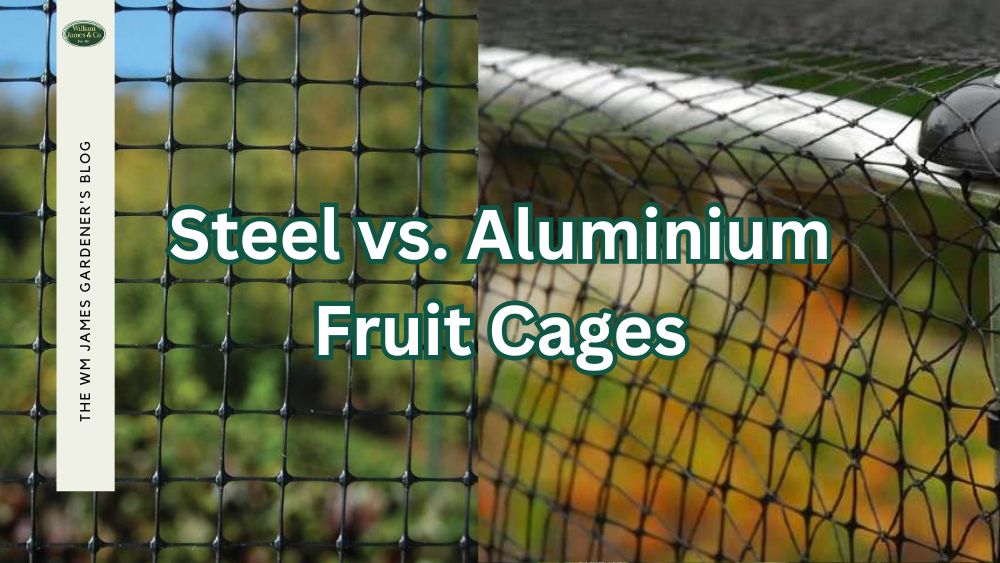
You can read more about steel vs aluminium fruit cages in a blog post here.



 RSS Feed