
 Quality garden equipment & accessories since 1954
 Free UK Delivery on orders over £100
 30 Day returns policy
Steel vs. Aluminium Fruit Cages: Which is Best for Your Garden?
- Admin
- WM James Gardening Blog
- 31 Mar 2026
-
136views
Fruit and vegetable cages are an essential structure for gardeners who value their produce and don't want it eaten by pests, but it can be difficult to know which to choose. In this steel vs. aluminium fruit cages guide, we'll help you decide which material is best for your garden.
We'll take you through what a fruit cage actually is and why you might need one, before discussing both steel and aluminium fruit cages.
By the end, you should have a good idea of which you'd like to choose for your outdoor space.
So, steel vs. aluminium — which one will win?
Key Takeaways: Steel vs Aluminium Fruit Cages
- Steel fruit cages offer strength and durability, making them ideal for large, permanent structures and exposed UK gardens
- Aluminium fruit cages are lightweight and corrosion-resistant, better suited to smaller, temporary, or moveable setups.
- Steel provides greater long-term value, while aluminium prioritises ease of installation and flexibility.
- Both materials protect crops effectively, and the best choice depends on your specific needs.
- For most UK gardeners, steel is the preferred option for stability, longevity, and year-round performance, and aluminium is the preferred option for ease of set-up and flexibility.
What is a Fruit Cage?
A fruit cage is a large, walk-in or low structure that protects your fruit and vegetable crops from pests, particularly birds, squirrels, and cats.
Read More on How to Keep Cats Out of Your Garden
These enclosures are built with a sturdy frame, usually made of steel or aluminium, sometimes wood, and are covered with a strong, durable netting.
This netting creates a protective barrier, keeping animals out, while still allowing essential sunlight, rain, and air to reach your plants so they can continue to flourish.
Read More About Garden Netting Here
Fruit cages are an ideal solution for gardeners looking to safeguard their harvest without chemical deterrents, ensuring a larger, healthier yield of home-grown produce, with the added bonus of keeping the surrounding wildlife safe.
They come in various sizes and can be temporary or permanent fixtures in your garden or allotment, providing a designated spot for your plants. If you enjoy keeping things neat and tidy, a fruit cage is an excellent choice.
Why Use a Fruit Cage?
While we have touched on some of them above, below are the main reasons gardeners opt for fruit cages:
- Protection: The main purpose of a fruit cage is to protect your plants, like berries, dwarf fruit trees, and brassicas. These cages are designed with mesh netting that keeps out insects, birds, and other animals that may damage or eat your crops.
- Improved Growth: By keeping pests and animals at bay, fruit cages create an ideal environment for plants to grow without disturbances. This leads to healthier and more bountiful harvests.
- Versatility: Fruit cages can be used for different types of fruits and vegetables, making them a versatile addition to any UK garden. They can also be easily moved around if needed.
- Aesthetics: Fruit cages not only serve a practical purpose, but they can also add to the overall appearance of a garden. With different styles and sizes available, you can choose one that complements your garden's design.
- Protection from harsh weather: Fruit cages can reduce damage from wind, rain, and debris, but they are not designed to provide full weather protection. If weather is your main concern, we recommend a polytunnel or greenhouse structure.
- Cost-effective: While the initial cost of setting up a fruit cage may seem high, it is a good investment in the long run. By protecting your crops from damage and increasing their growth potential, you will save money on replacements and see a higher yield from your harvest. Plus, they last for years with the proper maintenance.
What is a Steel Fruit Cage?
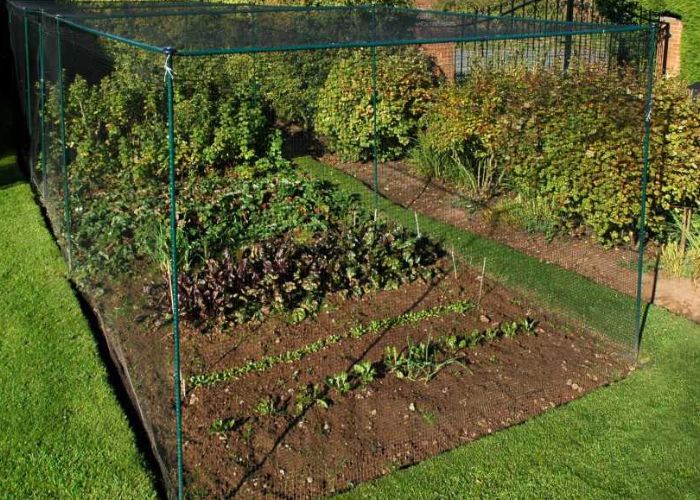
A steel fruit cage is a protective structure made of robust steel and mesh netting used to safeguard your crops.
It's a durable solution for home gardeners and commercial growers alike.
Check Out Our Steel Fruit Cages
Components of a Steel Fruit Cage
A typical steel fruit cage consists of the following components:
- Steel framework: The framework provides the structure and stability of the fruit cage. It's usually made of strong, rust-resistant steel poles that have been powder-coated for ultimate protection.
- Mesh netting: The mesh netting serves as the covering for the fruit cage, providing protection.
- Door entry system: Most fruit cages come with a door entry system, allowing easy access to the plants inside. If you'd prefer a smaller structure, low fruit cages are available.
- Roof system: Roofs can be added to fruit cages for additional protection.
- Ground pegs and fixings: These are used to anchor the framework into the ground, providing stability and preventing the cage from shifting.
Benefits of Steel Fruit Cages
Some of the most notable benefits of a steel fruit cage include:
- Superior strength and durability: Steel is known for its strength, making it an ideal material for constructing fruit cages. This ensures that your plants are well protected against pests.
- Long-term cost savings: The durability of a steel fruit cage means you won't have to constantly replace or repair it. This can lead to significant long-term cost savings.
- Versatility: Fruit cages can be used for both self-taught gardeners and seasoned green thumbs, as well as commercial users. The versatility of steel allows it to be easily customised and adapted to fit any type of garden or farming setup.
- Minimal maintenance: Steel fruit cages require relatively low maintenance, although occasional checks for coating damage are recommended to prevent corrosion.
- Customisable: Steel fruit cages are highly customisable, allowing them to be tailored to any garden's specific dimensions and layout. This means you can design a bespoke structure that perfectly matches your individual requirements.
- Stylish design: Fruit cages made from steel are powder-coated for added protection. Here at William James & Co., we powder-coat ours green to help it blend in with the natural environment.
-
 Classic Steel Low Vegetable CageFrom: £144.30
 -
 Classic Steel Walk-in Fruit Cage Frame & NettingFrom: £327.70
What is an Aluminium Fruit Cage?
An aluminium fruit cage is a structure designed to protect fruit trees and plants from birds, insects, and other pests. It is made primarily of aluminium, a lightweight and durable metal that makes it ideal for outdoor use.
Check Out Our Aluminium Fruit Cages
Components of an Aluminium Fruit Cage
An aluminium fruit cage typically consists of the following components:
- Aluminium framework: The frame is the backbone of the fruit cage, providing structure and support. It is usually made of lightweight aluminium poles that are easy to assemble and disassemble.
- Mesh netting: The netting is the protective cover that surrounds the fruit trees and plants. It comes in different mesh sizes to prevent pests from entering the cage.
- Door entry system: Some fruit cages come with a door for easy access to tend to plants inside. Although if a low fruit cage is your preference, those are available too.
- Roof system: Roofs can be added to fruit cages for additional protection.
- Ground pegs and fixings: These are used to anchor the framework into the ground, providing stability and preventing the cage from shifting.
Benefits of Aluminium Fruit Cages
Some of the key advantages of aluminium fruit cages include:
- Durability: While aluminium is strong for its weight, it is generally less rigid than steel, making it better suited to lighter-duty or more flexible installations.
- Lightweight: Despite its strength, aluminium is lightweight compared to other materials, such as wood or steel. This makes it easier to move and install the fruit cage in different areas of your garden.
- Low maintenance: Aluminium is resistant to rust and rotting, making it low maintenance and cost-effective.
- Customisable: Aluminium fruit cages can be easily customised to fit any size or shape of garden. This allows you to create a completely bespoke structure that best suits your needs and preferences.
- Versatile: Whether you're a home gardener or a commercial grower, aluminium fruit cages are a versatile solution.
- Modern aesthetic: The sleek and modern appearance of aluminium fruit cages adds a touch of elegance to any garden, making it not only functional but also visually appealing.
-
 Premium Aluminium Low Vegetable CagesFrom: £115.64
 -
 Premium Aluminium Walk-In Fruit Cage Frame & NettingFrom: £236.92
The Final Verdict: Steel vs. Aluminium Fruit Cages
Below highlights the key differences between steel and aluminium fruit cages to help you make a choice on which is best for you:
|
Feature |
||
|
Strength |
Very high |
High |
|
Weight |
Heavy |
Lightweight |
|
Durability |
Long-term |
Long-term |
|
Maintenance |
Low (coated) |
Low |
|
Best for |
Permanent, heavy-duty fruit cages |
Temporary (easily movable) fruit cages |
At William James & Co., we specialise in both heavy-duty steel and aluminium fruit cages.
Designed for long-term performance in UK conditions, our steel fruit cage is a top choice for gardeners looking for a permanent, high-strength solution.
While it is more of an investment, it will pay off, thanks to its ability to take on the elements year after year, season after season.
However, aluminium offers more flexibility due to its light nature. If you want to easily move your fruit cage around your garden, this is a top choice for gardeners looking for added convenience.
To summarise:
- Choose steel if you want a permanent, heavy-duty structure that will withstand pests long-term
- Choose aluminium if you need a lightweight, movable option for flexibility and ease of installation
Other Factors that Can Influence Your Choice of Fruit Cage
While choosing between steel and aluminium is key, there are a few other factors that can influence which fruit cage is right for your garden.
Size and Structure Needs
The size of your fruit cage plays a big role in determining the best material:
- Steel fruit cages are ideal for larger, permanent structures. Their strength provides added stability, especially in exposed gardens or allotments where pests are a concern.
- Aluminium fruit cages are better suited to smaller or temporary setups, where ease of installation and flexibility are more important.
If you're planning a walk-in fruit cage, steel is typically the more robust and long-lasting option.
Netting Type
The effectiveness of your fruit cage depends heavily on the netting used.
A high-quality fruit cage should:
- Use a small mesh to keep out birds and other pests
- Allow airflow and sunlight to reach your plants
- Be securely fitted across the roof and sides
At William James & Co., our cages are supplied with knotless polypropylene roof netting and extruded polythene side netting, and all the fixings and accessories needed for a reliable set-up, ensuring a strong barrier against pests.
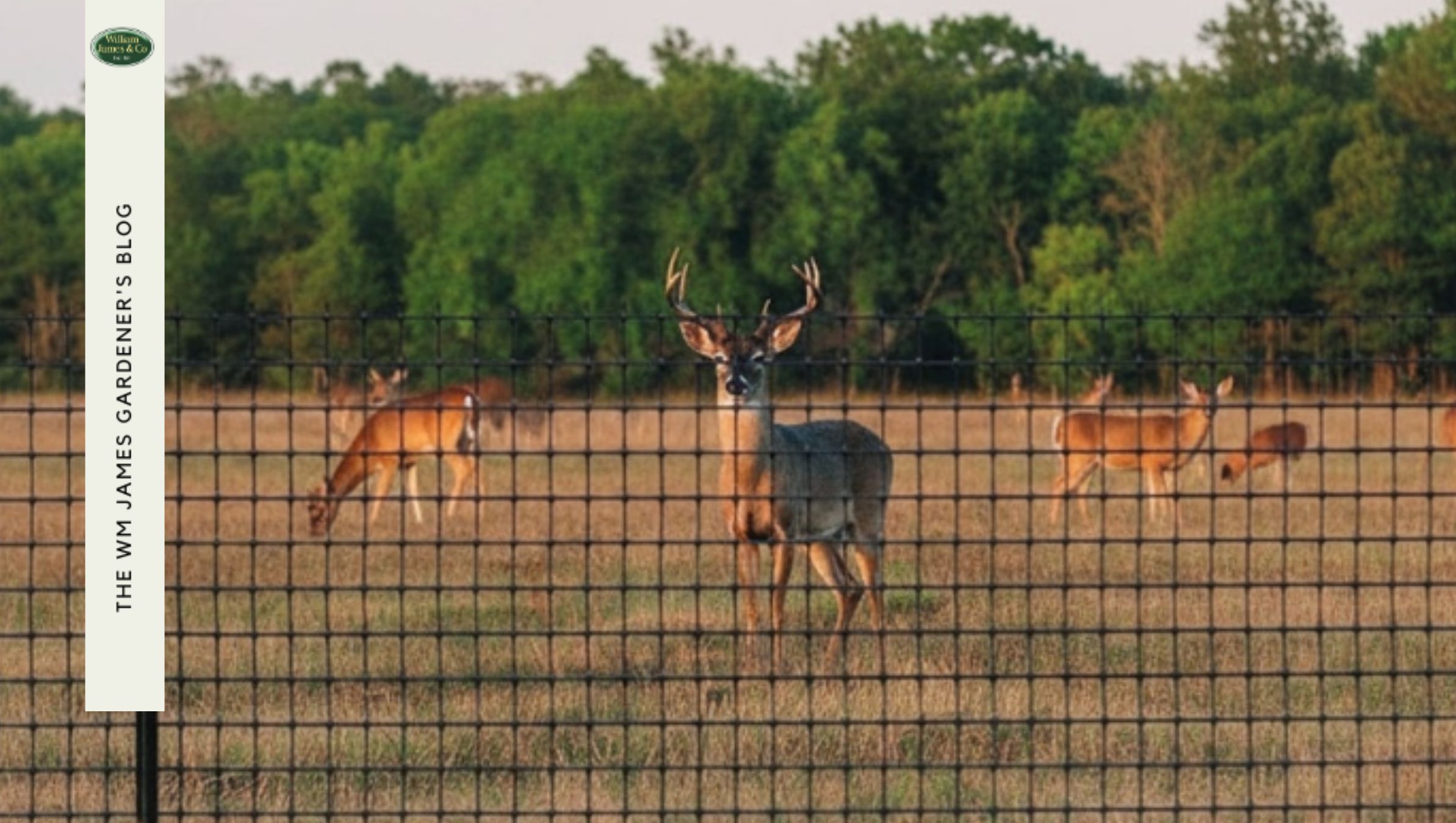
We also stock a range of other netting types, like insect, bird, deer, and rabbit netting. Each offers immense protection against unwanted intruders.
If you’d like to check out our other netting, find our range here or shop below.


Garden Type and Usage
You should also think about how you plan to use your fruit cage over time:
- If you want a permanent, heavy-duty solution that will last for years with minimal movement, steel is the better investment.
- If you need something more lightweight and adaptable, aluminium may be more suitable for repositioning or seasonal use.
Final Words: Choosing the Fruit Cage that's Right for You
A fruit cage is an essential tool for any gardener wanting to protect their crops from pests. To recap:
Steel fruit cages are renowned for their strength and durability. They provide a sturdy, long-lasting structure that can withstand UK weather conditions, offering heavy-duty protection for your vegetable patch year after year.
Aluminium fruit cages, on the other hand, are praised for their lightweight yet robust nature. This makes them easier to set up, dismantle, and move around your garden as needed.
Despite being lighter, aluminium is still strong, durable, and rust-proof, making it a versatile and long-lasting option.
Ultimately, both materials create excellent fruit cages. The best choice for your UK garden will depend on your specific needs.
If you're looking for a permanent, heavy-duty solution, steel is the way to go. If you value flexibility and ease of assembly, an aluminium cage might be the perfect fit.
If you want to learn more about the fruit cages we offer here at William James & Co., find our handy, detailed guide here.
Read Everything You Need to Know About Buying a Fruit Cage
You can also contact us if you’d like to know more!
Protect Your Garden with W.M. James & Co. Fruit Cages
Protect your precious crops from pests with our professional-grade fruit cages. Engineered for durability, our premium aluminium and classic steel walk-in and low cages provide a robust barrier to safeguard your fruit and vegetables all year round.
Whether you have a small garden patch or a large allotment, our cages are built to withstand the elements and keep unwelcome visitors out.
If you’re still unsure which option is right for you, explore our range of bespoke fruit cages designed for durability, stability, and long-term performance in UK conditions.
FAQs
Should I Get a Walk-In or a Low Fruit Cage?
It ultimately depends on your personal preference and needs.
Walk-in fruit cages offer more space for movement and can accommodate taller plants, while low fruit cages are better for smaller gardens or areas with height restrictions.
Consider the types of plants you want to grow and the size of your garden before making a decision.
Are Metal Fruit Cage Frames Worth It?
Yes! Fruit cages with metal frames can be a worthwhile investment for any garden. They offer heavy-duty protection from pests, allowing your plants to thrive in their own space.
Fruit cages also make maintenance easier by keeping your plants contained and organised, while still having access to necessary rainwater, fresh air, and sunlight.
Are Heavy-Duty Fruit Cages Squirrel-Proof?
Squirrels are known for their ability to climb and jump. If you have a persistent squirrel problem in your area, a heavy-duty fruit cage, like a steel or aluminium one, can be an excellent way to combat the issue.
Ensuring your mesh netting is small enough and properly installed on all sides and the roof, you should be able to keep the squirrels at bay.
How Tall Should a Fruit Cage Be?
The height of a fruit cage depends on the type of plants you want to protect and how tall they grow. Some fruit cages can be as short as 3 feet, while others can reach up to 8 or even 10 feet.
Related Posts






 RSS Feed