
 Quality garden equipment & accessories since 1954
 Free UK Delivery on orders over £100
 30 Day returns policy
The Ultimate Deer Netting Buying Guide
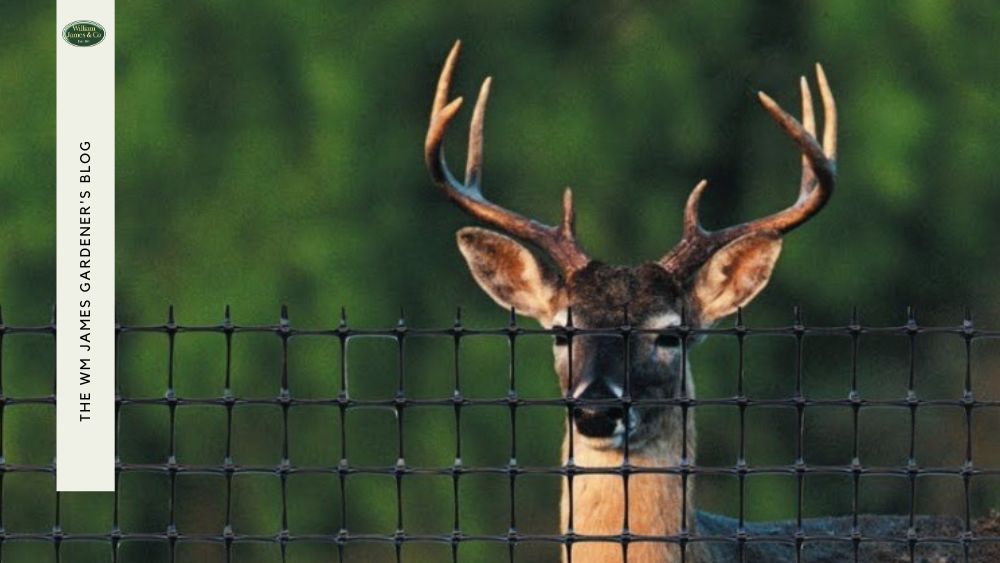
When it comes to choosing netting for your outdoor space, it can be difficult to determine the best for keeping deer out. That's why we've created the ultimate deer netting buying guide.
Deer, especially in rural areas, have a habit of eating what isn't theirs. This can be particularly troublesome when they appear in gardens full of beautiful blooms, allotments full of delicious fruit, and farmland full of crops.
The most effective deer deterrent is a physical barrier, such as fencing made of netting.
In this guide, we'll take you through the different types of netting available and the correct specifications, so you can protect your garden from deer once and for all.
The Important Bits…
- For effective deer control, netting should be at least 1.8–2.0m high with a 50mm mesh size to prevent jumping, squeezing, and crawling underneath.
- Heavy-duty UV-stabilised plastic netting offers the best balance of strength, flexibility, low visibility, and cost for most UK gardens and farmland.
- Proper installation is essential, including secure ground fixing, tension wire, and reinforced corners to stop deer from exploiting weak points.
- Regular seasonal checks and maintenance help preserve tension, prevent damage, and extend the lifespan of your deer fencing system.
- Well-installed plastic deer netting offers a lower risk of wildlife entanglement while remaining durable in harsh outdoor conditions when securely tensioned and flush with the ground.
Understanding Deer Behaviour: Why Netting Choice Matters
Deer are highly adaptable creatures with a keen sense of smell and hearing, which makes them excellent at navigating their environments.
However, their foraging habits can cause significant damage to gardens and crops.
Find Out How to Deer-Proof Your Garden
Here's how deer in the UK tend to interact with fence netting:
- Jumping: Most UK deer species can clear fences up to 1.8m if motivated.
- Pushing through gaps: Deer will force their way through loose or poorly tensioned netting.
- Crawling underneath: If ground edges are not secured, deer will dig or squeeze under.
- Following existing routes: Deer prefer established paths and will repeatedly target the same access points.
- Testing boundaries: Once a weak spot is found, it will be used regularly.
By selecting netting tailored to deer behaviour, you can create a more secure perimeter and prevent unwanted intrusions.
Discover How to Keep Cats Out of Your Garden
Types of Deer in the UK
The UK is home to several types of deer, each with unique characteristics and behaviours. For example, Red Deer, typically found in the Scottish Highlands, are much taller and better jumpers compared to the smaller Roe Deer, which are commonly seen near woodlands.
Depending on your location, whether rural, semi-rural, northern, or southern, it’s helpful to understand some deer species and how they interact with their environment:
- Muntjac: Small but determined, they often crawl under or through wide mesh fences.
- Roe Deer: Agile and strong jumpers, they’ll test the height of your fencing.
- Fallow Deer: Travel in groups, putting more pressure on fencing systems.
- Red Deer: The largest and heaviest, they require durable, strong netting to keep them out.
Understanding these differences can help you better manage their impact on your surroundings.
Key Deer Netting Specifications
When buying deer netting, three technical factors determine how effective it will be: height, mesh size, and overall strength. Getting these right is the most important for protecting your outdoor space.
Plant Protection Netting We Recommend for Your Garden
Deer Netting Height
Fence height is the first line of defence against deer intrusion. Deer are jumpers, and if there's food on the other side, they have no problem taking the leap.
| Netting Height | Suitability | Typical Use Case |
| Under 1.5 m | Not recommended | Ineffective for deer |
| 1.6–1.8 m | Limited protection | Small gardens, low pressure |
| 1.8–2.0 m+ | Best practice | Gardens, woodland, estates |
Deer Netting Mesh Size
Mesh size determines whether deer can squeeze through or become entangled.
We recommend a 50mm mesh size for deer fencing. This is the best size to allow light, air, and water to pass through to get to your plants, but not allow deer to pass through.
50mm mesh should control deer from squeezing, pushing, and crawling through into your outdoor space.

Deer Netting Strength & Durability
Strength determines how effectively the netting will keep the deer out.
Remember, deer can be determined when it comes to food, so ensuring the netting is tough is essential.
You also need to remember that the netting will be outside. This means it needs to be resilient in harsh weather. Here are the things you should look out for in netting:
- Weather resistance
- UV-stability
- Heavy-duty
Choosing the Right Netting for Deer-Proofing Your Garden, Allotments, or Farm Land
Below is a comparison of the most popular types of deer netting, so you can choose the best one for deer-proofing plants and crops.
| Feature | Heavy Duty Deer Netting (plastic) | High-Tensile Steel Deer Netting (wire) | Welded Steel Mesh Panels |
| Typical material | Heavy-duty UV-stabilised plastic mesh | Galvanised high-tensile steel wire, knotted mesh | Welded steel wire mesh panels/rolls |
| Height options | 2m+ (ideal for deer) | 1.8m – 2.4m | Often less than 2m |
| Mesh opening size | 50mm square | 150–200mm typical | Variable by panel |
| Primary use case | Domestic and commercial use | Larger estates/perimeter fences | Gateways & vulnerable corners |
| Ease of installation | Easy to cut, fix & tension | Requires specialist posts & tensioning | Heavy with limited adjustment opportunities |
| Visibility (aesthetics) | Low-visibility black | Medium (wire visible) | High (rigid panels visible) |
| Durability/weather resistance | Excellent (galvanised fixings recommended) | Long-life | Long-life |
| Wildlife safety (entanglement risk) | Lower risk with proper fixing | Medium-high risk if the mesh is large | Lower risk if panels are well set |
| Maintenance requirement | Low | Medium-high (check tension) | Low |
| Typical installed cost (netting only) | £2.64 per metre | £5.00 – £10.00+ per metre | £25 – £60+ per panel/roll |
| Best suited to | Most UK gardens, allotments & farmland | Large acreage, permanent estate boundaries | Strongpoints (gates, vulnerable corners) |
Why Heavy-Duty Plastic Deer Netting from W.M. James is the Best Choice
- Height optimised for deer exclusion: At 2 m, it meets what behavioural evidence shows deer are least likely to clear.
- Winning balance of strength and flexibility: Heavy-duty plastic mesh resists deformation and holds tension well when installed with proper posts/wire.
- Weather resistant: UV-stabilised & strong against harsh wind, rain, and frost.
- Low-impact look: Black mesh blends into landscapes better than rigid panels or heavy wire.
- Lower installed cost: than wire or steel alternatives, and less specialist skill required to fit.
- Lower wildlife entanglement risk: when fixed properly at the base.
Shop Our Heavy-Duty Plastic Deer Netting Today!
Deer Netting Installation & Maintenance
Getting the right deer netting is only half the job. How it’s installed, cared for and maintained determines whether it actually protects your plants and land over time.
Poor installation or neglected maintenance can turn even high-quality netting into a liability.
Below are practical tips and guidance to help you get the most from your deer protection system.
The Key Steps of Deer Netting Installation
You can read our full, detailed guide on how to install deer netting here, but below are some tips for success:
- Plan your layout before you buy
- Measure the total length you need, allowing for overlap at corners and gates
- Mark out corners and high-pressure areas where deer are most likely to attempt entry
- Choose strong support posts
- Start at a firm ground level
- Deer will try to crawl under netting at weak points, peg the bottom edge securely or bury it slightly
- Use a tension wire at the base and top
- Tighten the netting; good tension keeps the mesh taut and hard to push
- Overlap netting by at least 150–200 mm around corners
Check Out Our Netting Extras & Accessories


Seasonal Maintenance to Preserve Your Deer Netting
Netting isn’t a fit-and-forget kind of job. With simple seasonal care, you can extend its life significantly.
Here is what you should do throughout the seasons to allow your netting to protect your garden from deer.
- Spring & Summer
- Check tension after wet weather events
- Tighten loose sections
- Trim vegetation that can weigh the net down
- Autumn & Winter
- Inspect after storms
- Clear leaves and debris from the base
- Ensure ground fixings haven’t loosened
- Annual review
- Walk the entire fence
- Replace any damaged or worn fixing points
- Check anchor points and tension wire
Wildlife & Safety: Good Practices That Protect Other Animals
Lastly, deer netting must keep out deer without harming other wildlife. Be sure to:
- Keep the bottom mesh flush with the ground to prevent entanglement
- Use smooth tensioning techniques rather than sharp fixings
- Check frequently around edges where hedgehogs and dogs might interact
Find Tips on How to Keep Foxes Out of Your Garden
Summary: Protecting Your Outdoor Space with Quality Deer Deterrents
With the right choice of netting (and proper installation!), you can effectively keep deer from entering your garden and making a mess of your plants.
Choosing our heavy-duty, 50mm mesh deer netting will set you up with a protected garden safe from the hoofs of hungry herbivores.
Remember to regularly check and maintain your netting to ensure its effectiveness over time, and you will have an outdoor area safe from deer for years to come.
Buy Quality Deer-Proof Netting from W.M. James Today
At W.M. James, we offer quality deer netting designed to effectively keep deer out of your outdoor space.
Made from UV-stabilised 80gsm extruded polyethylene with a 50mm mesh, our durable plastic deer fencing is tough, long-lasting, and ideal for domestic and commercial use.
It's also easy to install and maintain, making it a practical and effective solution for protecting your plants.
Shop with us today and keep deer and other large wildlife out of your garden for good.
FAQs
Can I buy W.M. James deer netting?
We have Heavy Duty Plastic Deer Netting available to help you keep deer out of your garden, allotment, or farmland.
Made from UV-stabilised 80gsm extruded polyethylene with a 50mm mesh, this netting is an effective way of keeping deer away from your plants.
When will I receive my W.M. James deer netting?
We will aim to deliver your order within 3–7 working days of receiving your order.
Orders placed before noon will be processed on the same day for an even quicker delivery time!
How high does deer netting need to be?
Industry standards suggest a netting height between 1.8m and 2m. This is generally high enough to prevent Red Deer (the tallest in the UK, mainly found in the Scottish Highlands) from jumping over into your garden or farmland.
Other common deer, like Roe and Fallow, are smaller, so this height netting will work to keep them out, too.
Will deer chew through plastic netting?
Deer aren't likely to chew through plastic netting. They tend to favour food sources that don't come with an added barrier to get to.
However, if a deer has been enjoying your roses for some time, and then you install plastic netting, they may be more determined to reach the roses by pushing through.
To help with securely deer-proofing plants in your garden, you should ensure your netting is securely installed, so it is tight, and there are no gaps.
You could also try other deer deterrents, like planting plants deer don't like the smell of, and using scare devices. You can read more about this in our blog post on how to deer-proof your garden.



 RSS Feed