
 Quality garden equipment & accessories since 1954
 Free UK Delivery on orders over £100
 30 Day returns policy
How to Shade Plants: Your Guide to Protecting Your Garden From Harsh Sunlight
- Admin
- WM James Gardening Blog
- 27 May 2026
-
21views
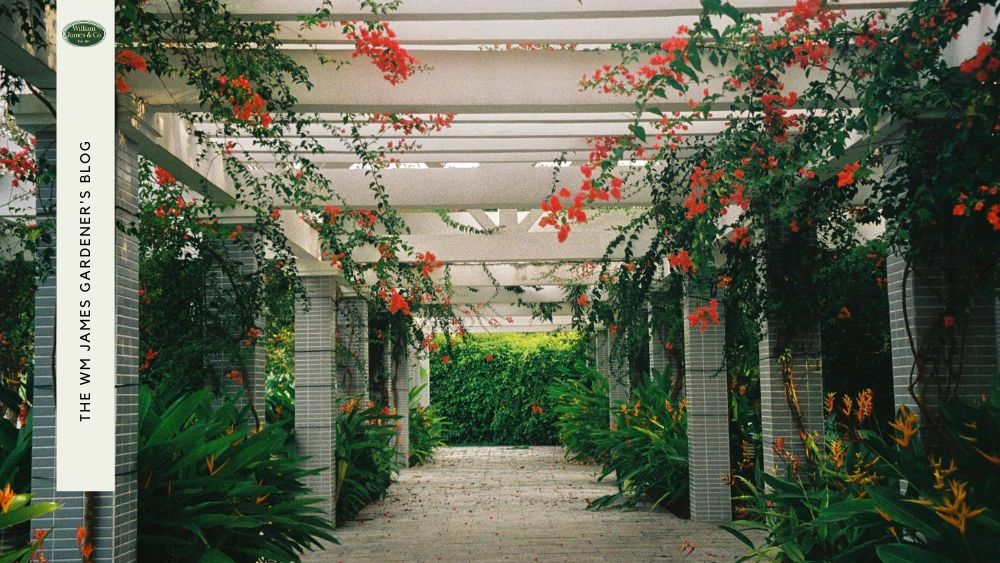
Shading your plants isn't always as simple as putting up a parasol and hoping for the best. If you're wondering how to properly shade your plants, whether they're flowers, vegetables, or fruit, this guide is for you.
How to Shade Plants: An Overview
- Shade can protect plants from heat stress, scorched leaves, wilting, and excessive water loss during hot UK weather.
- Shade netting, polytunnels, fine mesh netting, and garden structures are effective ways to create temporary or permanent shade in your garden.
- Most plants still need sunlight, so focus on reducing harsh afternoon sun rather than blocking light completely.
- South-facing gardens often require more active shading during summer, especially for vegetables, raised beds, and container plants.
- Adjustable shade solutions and good airflow help plants stay cool, while reducing the risk of fungal diseases and damp conditions.
In this handy article, we'll go into detail about how shade affects your plants, the best ways to create shade in garden spaces, how to work with both sunlight and shade, not against them, as well as extra tips for success.
By the end, you'll know how to properly shade your crops while working with the surrounding conditions to help them flourish. Keep reading to learn more.
What is Shade?
Understanding how shade impacts your garden is the first step to working with it to ensure your plants can thrive in the conditions your garden provides.
So, what is shade? Shade occurs when an object blocks direct sunlight, casting a shadow over an area that would otherwise be exposed to light.
There are temporary (parasols, shade netting, covers, etc) and permanent types of shade (trees, buildings, walls, etc).
There aren't many plants that take kindly to being planted in constant shade; however, in many UK gardens, shade is not necessarily a problem to solve.
In fact, creating shade can help protect sensitive plants from heat stress, excessive evaporation, scorching, and drought during warmer months.
How Does Shade Affect Plants?
As we're all taught from a young age, the sun is essential for photosynthesis, the process that fuels plants with the right nutrients to grow. When plants receive insufficient light for their needs, growth can become weak or stunted.
(This is a popular way to stop weeds from growing — laying a black tarp across the top of the weed-infested area to hinder growth.)
Discover Our Ground Cover & Weed Control Here
However, some plants don't need direct sunlight in order to grow. Some plants are perfectly happy in low-light, shaded, or artificially lit conditions.
So, why do gardeners intentionally use shade? Without sufficient protection from intense sunlight, plants may experience:
- Leaf scorch or brown edges
- Wilting during hot afternoons
- Bleached/discoloured foliage
- Bolting vegetables (lettuce, spinach, coriander)
- Dry soil despite watering
While some plants struggle in constant deep shade, many gardens benefit from shaded areas during periods of intense summer sun.
Different Types of Shade in UK Gardens
In the UK, gardens face north, south, east, or west, making the amount of shade/sunlight gardens receive different for each.
Below are the different types of shade you can find, according to the Royal Horticultural Society:
- Full sun: More than 6 hours of direct sunlight per day during the height of summer
- Light shade: A garden or allotment open to the sky, but screened from direct sunlight by an object
- Partial or semi shade: 3-6 hours of direct sunlight per day during the height of summer. In other words, half shade and half light
- Dappled shade: Mainly reflected or diffused sunlight through open trees or canopies all day
- Moderate shade: 2-3 hours of direct sunlight per day during the height of summer
- Deep or heavy shade: Dense, heavy tree or other object cover. Less than 2 hours of direct sunlight per day during the height of summer
Keep in mind that different objects create shade (trees, houses, and other structures) and each can affect your soil differently.
Browse Our Range of Garden Structures Here
For instance, a tree canopy not only blocks sunlight but can also prevent rainwater from reaching your vegetable patch, so you'll need to water more frequently.
The shade from a structure like a house or wall can keep the soil cool and reduce evaporation, helping it retain moisture.
However, this same shade can also lead to waterlogged soil if drainage is poor, particularly after heavy rain. Proper soil management is key to balancing these effects.
With UK summers becoming hotter and drier in recent years, many gardeners are now using shade intentionally to protect vegetables, flowers, and container plants during periods of intense sun.
Learn How to Achieve Vegetable Container Gardening
This is especially true for south-facing gardens, where prolonged exposure to direct sunlight can quickly dry out soil and damage sensitive plants.
How to Shade Plants From the Sun
Whether your garden is south-facing, you have a number of sensitive plants, or your area is currently going through an intense heatwave, there are ways to include temporary shade in your garden.
Thankfully, you don't need to build a large structure to do so either.
Below are our top ways to introduce shade to an open, sunny garden.
Shade Netting
Shade netting is the most popular way to introduce temporary shade to your garden to keep your plants from sun damage.
Browse Our Garden Shade Netting Here
For gardeners, this is the easiest, most effective way to ensure plants are shaded during the hottest part of the day, while still having access to other nutrients, such as water and adequate airflow.
Below are some of the ways you can use it to shade your plants:
- Draped over them during intense afternoon sun
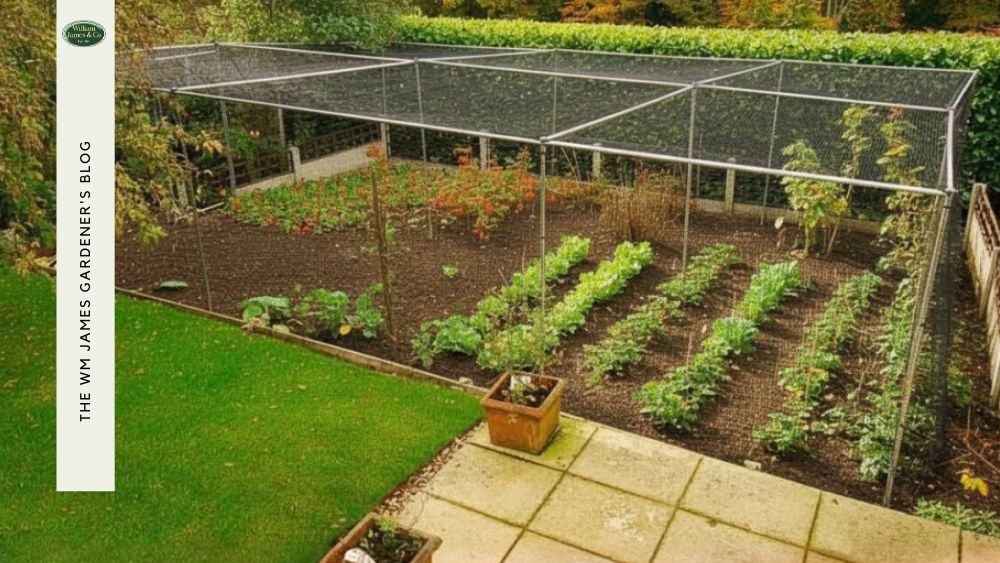
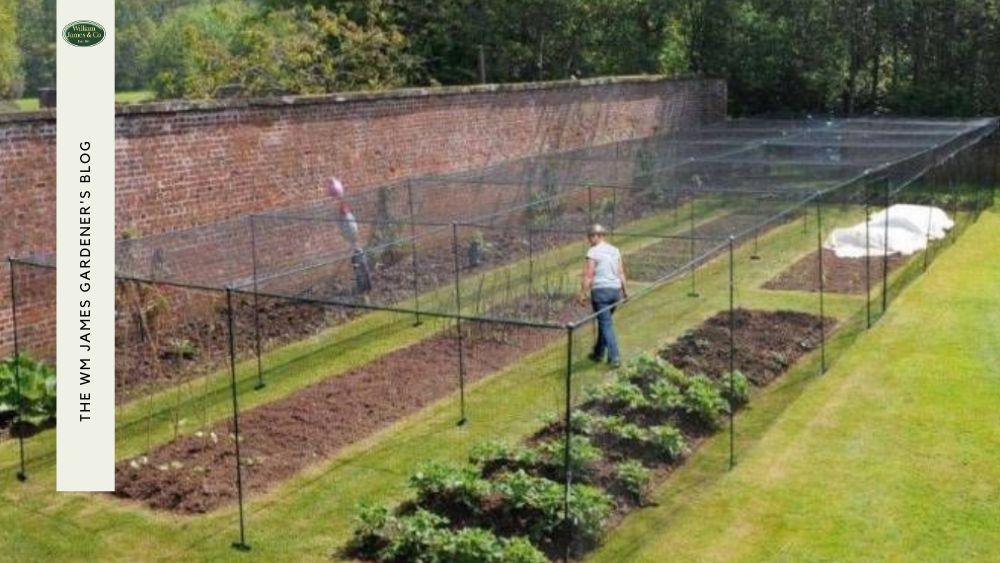
- Attached to poles surrounding the vegetable patch to create an enclosure
- Used as fruit cage netting
- Draped over plants inside greenhouses
- Used as a pergola and trellis cover to create an enclosure when the sun shines through
Lighter shade netting (around 30%-40%) is often suitable for vegetables and flowers that still require plenty of sunlight, while heavier shade levels may be better suited to delicate plants, greenhouses, or extreme heat conditions.
Read: The Ultimate Guide to Growing Root Vegetables
We have an excellent range of shade netting here at William James & Co. (which also doubles as windbreak netting).
Crafted from UV-stabilised HDPE knitted monofilament, our shade netting provides up to 40%-50% shade for plants that need partial sun cover. Shop below.


Polytunnels
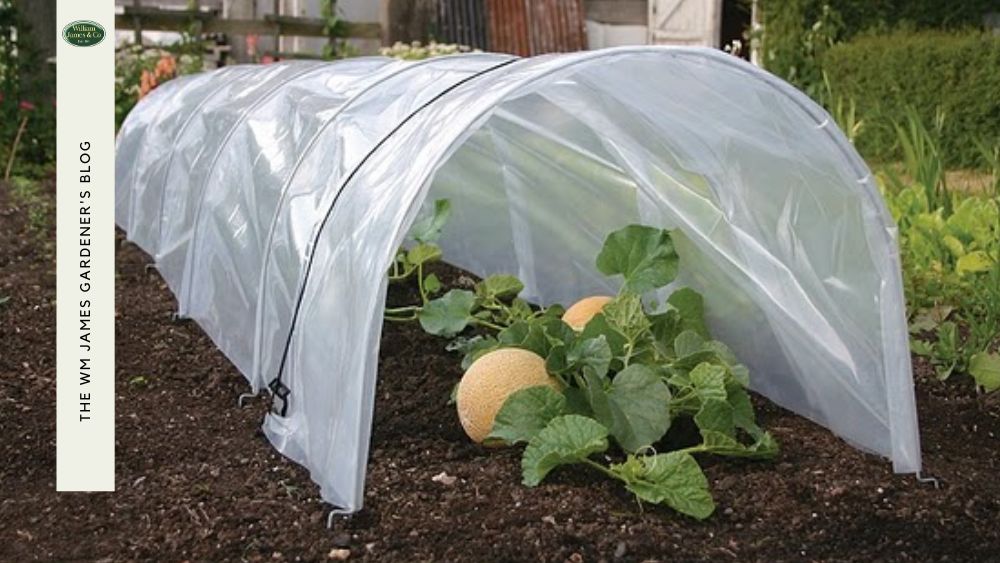
Polytunnels can help gardeners manage heat and sunlight levels when used alongside ventilation and shade netting.
Browse Our Range of Gardening Tunnels Here
They can be small or large structures that cover the plants with a white or milky polyethylene sheet.
While their primary function is to trap heat and light during the cooler months, they can be used in conjunction with shade netting during the summer.
You can also find specially modified polytunnels (such as those with dual coloured or green plastic) that actually reduce heat build-up.
They are lightweight and can be easily moved around your garden as needed. Of course, the larger the size you choose, the more difficult it will be to move on your own, so seek help if needed.
Check out our selection of polytunnels below to help protect your plants from direct sunlight, while still providing excellent airflow:


Fine Mesh Netting
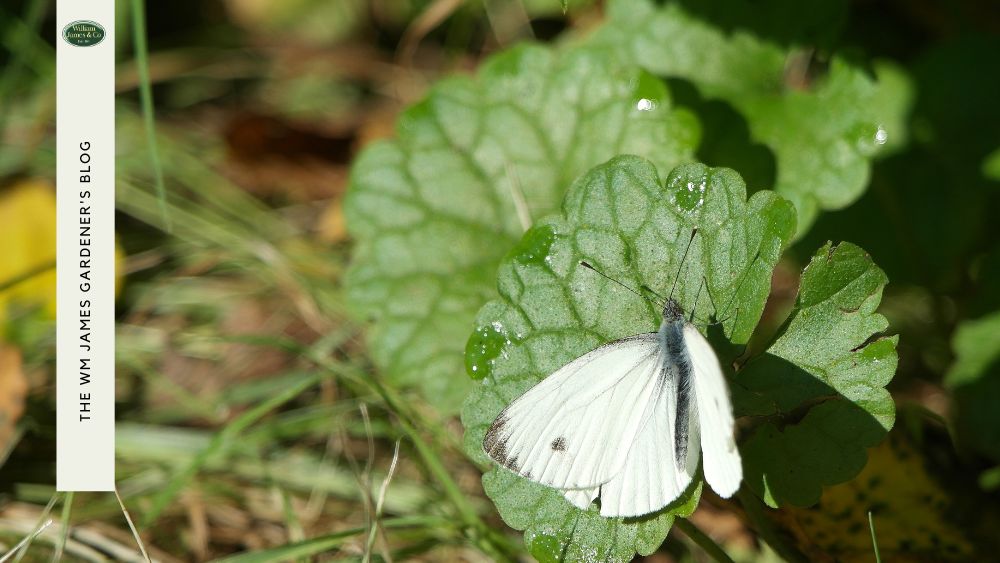
Fine mesh netting, also known as butterfly or insect netting, offers a dual-purpose solution for your garden.
Discover Our Butterfly & Insect Mesh Netting for Shade
While its primary function is to create a physical barrier that keeps insects, butterflies, and other pests away from your valuable crops, it also provides a surprising amount of shade.
Read: The Best Vegetable Netting By WM James
This type of netting is woven tightly enough to block pests, but still allows for excellent air circulation and lets most sunlight through.
However, the fine weave does cast a gentle shade, which can reduce the intensity of direct sunlight.
This helps to lower the ambient temperature around your plants by a few crucial degrees, offering a "shade cooling" effect.
This is particularly beneficial for delicate vegetables like brassicas (broccoli, cabbage, cauliflower) or leafy greens, which are prone to bolting or scorching during unexpected summer heatwaves.
Browse our selection of fine mesh netting below. It's made from high-quality woven HPDE with secure edges, which is UV-stabilised and rot-proof for added durability:


Natural Shade
You can also go down the route of creating natural shade in the form of trees, tall plants, and hedges.
Not only will these add natural shade to your garden (be sure to monitor the sun's movements before planting), but they'll also make a welcome addition to your crops, making your outdoor space even more diverse.
Some options can include leylandii (a common UK garden hedge), climbers like ivy, or cherry trees.
Learn How to Train Climbing Plants
Other Garden Materials
So, you now know more about materials made specifically for plants, but what about other garden materials that can be used for shade?
Well, some of the more obvious options can be used to provide an element of shade.
For example, hanging sails are excellent choices, offering overhead shade to plants exposed to mid-day sun, as are parasols (when positioned correctly).
Not only are these items effective at creating shade, but they also look stylish and modern in gardens, helping owners create practical space.
Garden Structures
Last but not least, the more expensive option — garden structures.
Garden structures are excellent at providing permanent shade for plants at certain times of the day. Remember the sun moves, so positioned correctly, you'll be able to introduce shade at the time of day you most need it.
Find Our Range of Garden Structures Here
Some effective garden structures include wooden arches, gazebos, retracting awnings, canopies, and large garden sheds.
Not only do these provide shade, like the other garden materials, but they also add an element of style. Garden structures like these work to add height and character to outdoor spaces, making them look and feel much more luxurious.
Read: 10 Creative Garden Structures for Your Outdoor Space
Take a look at some of our robust garden structures below to see which one you would like to introduce to your space.
-
 Potting Store£1,799.00
 -
 Balmoral Corner Arbour£499.00


How to Work With Shade to Protect Your Plants
Like with most things in the garden, nature is on its own schedule, and you can't always plan for everything the weather might throw your way. This is why it's important to set up your garden to work with the sun and the shade, not against it.
How to Position Shade Correctly
Creating shade is not simply about blocking sunlight entirely. In most cases, the goal is to reduce stress on plants, while still allowing them to receive enough natural light for healthy growth.
Even small positioning changes can make a big difference. So, here are the top 4 things you should consider when positioning your shade:
- Focus on Afternoon Sun Protection
For many UK gardens, the strongest and hottest sunlight arrives during the afternoon. Rather than shading plants all day, it is often more beneficial to provide protection during the hottest hours, usually from midday onwards.
Morning sunlight is generally less intense and can still help plants photosynthesise effectively before temperatures rise later in the day.
- Understand How Sunlight Moves Across Your Garden
The position of the sun changes throughout the day, meaning shaded areas will naturally shift over time. Before installing shade netting, covers, or structures, spend time observing:
- Which areas receive the most intense afternoon sunlight
- Which parts of the garden remain naturally cool
- How nearby trees, fences, walls, or buildings affect light levels
This can help you place shade more accurately and avoid unnecessarily blocking light from plants that still need direct sun exposure.
- Avoid Blocking Too Much Light
While some shade can help reduce heat stress, excessive cover can weaken growth, reduce flowering, and increase damp conditions around plants.
Where possible, aim for:
- Partial shade
- Dappled shade
- Filtered sunlight
This is especially important for vegetables, flowering plants, and fruit crops that still require several hours of sunlight each day.
South-facing gardens usually require more active shading during summer, particularly for containers, raised beds, and delicate plants exposed to prolonged sunlight.
North-facing gardens may already receive limited direct sunlight, meaning additional shade should be used more carefully to avoid reducing light levels too much.
Adapting Shade Throughout the Year
Shade requirements can change significantly throughout the seasons. A setup that works well during a summer heatwave may become unnecessary, or even harmful, during cooler months when sunlight levels naturally decrease.
Working with shade successfully means adapting your approach as conditions change throughout the year.
Here's how you can do exactly that:
- Increase shade during heatwaves and dry spells
- Reduce shade as temperatures cool
- Work with seasonal sun angles and monitor its positioning
- Adapt shade for different plant growth stages (young seedlings are more sensitive)
Creating Shade for Your Plants: Tips for Success
Creating suitable shade for your plants requires some care and consideration, so below are some extra tips for maximum success:
- Matching the shade to the plant's needs: Different plants require different amounts of sunlight. While crops like lettuce, spinach, and herbs may benefit from partial shade during hot weather, sun-loving plants still need several hours of direct sunlight each day.
- Ensure good airflow around plants: When using shade netting, covers, or temporary structures, make sure air can still circulate freely around the plants. Poor airflow can increase humidity levels and encourage fungal diseases, mildew, and rot.
- Monitor soil: Shaded soil usually retains moisture for longer, but this can vary depending on the type of shade being created. Areas shaded by trees may still dry out quickly due to root competition, while heavily shaded beds beside walls or structures may stay damp for longer.
- Use adjustable or temporary shade where possible: Temporary shading solutions, such as shade netting, parasols, garden fabric, or movable covers, allow you to adapt to changing weather conditions throughout the year.
- Water frequently: Shade can help reduce evaporation, but plants will still require consistent watering during prolonged dry periods. Watering early in the morning or later in the evening can help soil retain moisture more effectively, while reducing unnecessary evaporation in the heat.
- Check plants for signs of stress: Even with shade in place, plants can still show signs of heat stress or insufficient light. Watch for symptoms such as scorched leaves, drooping foliage, pale growth, or reduced flowering, and adjust your shading approach if needed.
Conclusion: Learning How to Create Shade for Plants
Creating shade for your plants might sound counterproductive, after all, they need sunlight to survive. However, during hot summers and droughts, some shade is essential to avoid stunted growth.
Remember, sunlight in excess can cause scorched leaves, wilted foliage, bleached patches, and ultimately, permanently impact growth.
To give your plants some shade, try some of our suggestions, like shade netting, butterfly netting, polytunnels, or even a hanging sail.
If you'd like to shop for some of our shade products, we've included some of our most popular items below. If you'd like to browse, head to our website!
With more than 60 years in the horticultural industry, we know a thing or two about how to protect your plants from more than sunlight. Head to our blog, where you'll find lots more handy tips and advice for keeping your plants happy and healthy!
If you have any questions, please don't hesitate to contact us. We're more than happy to lend our expertise.
FAQs
How Do I Protect Tomato Plants from the Sun?
Sunlight is crucial for tomato plants and their survival. In fact, we recommend around 6-8+ hours of sunlight per day.
Still, tomatoes do benefit from slight shade to prevent scorching during intense heatwaves where there is little cloud relief.
If you want to learn how to shade tomato plants, head to the blog post above, where you’ll find lots of tips suitable for all kinds of crops, flowers, and produce.
How Can I Create Shade in My Garden on a Budget?
Creating shade in your garden doesn't have to amount to expensive canopies and structures; it can easily be done on a budget.
For example, shade netting is a popular, inexpensive choice among gardeners seeking shade for their plants throughout the day. You can also use hanging sails made from UV-blocking materials, which can be found at relatively low costs.
You can also do a bit of DIY if that's your thing! Upcycled trellises, bamboo, and second-hand fabrics can all be used to create shade.
What Plants Can I Plant in the Shade?
Most plants need an element of sunlight to thrive. However, some plants prefer shaded conditions for longer periods compared to sunlight:
- Stinking iris
- Ivy
- Leafy greens
- Root veggies
- Brassicas
- Cherries
- Pears
- Raspberries
How Can I Manage My Soil in the Shade?
If you have a shaded garden for most of the year, it can be difficult to manage your soil conditions. Here are some of our top tips:
- Incorporate organic matter
- Ensure proper drainage or consider raised beds
- Mulch heavily
- Water deeply and frequently (where shade canopies block rainwater)

 RSS Feed