
 Quality garden equipment & accessories since 1954
 Free UK Delivery on orders over £100
 30 Day returns policy
Garden Crop Positioning 101: Your Guide to a Well-Organised Outdoor Space
Planning a garden full of delicious produce does take some time, but it’s one of the most important steps in achieving a productive and well-organised space. In our garden crop positioning guide, we'll help you do just that.
Garden Crop Positioning: Key Points
- Map sunlight, soil type, and wind exposure first to create the right growing conditions for each crop.
- Position sun-loving crops in the brightest areas and shade-tolerant plants in naturally darker zones.
- Group crops by light, water, and soil needs to improve growth and simplify maintenance.
- Plan access routes and spacing carefully to ensure efficient watering, harvesting, and long-term productivity.
- Use structures like trellises, fruit cages, and raised beds to optimise space, protect crops, and control growing conditions.
Many crops have specific growing environments, which is why we have to take care when positioning them in our gardens, allotments, and outdoor areas.
Some can be more forgiving, but the same rings true for all — they will thrive in their optimum growing environments, producing a bountiful yield.
So, if you want to make the most out of your crops, keep reading our guide, where you'll find out more about garden crop positioning.
The 5-Step Garden Crop Positioning Framework
Step 1: Map Sunlight Across Your Garden
Sunlight is one of the most important factors in crop positioning. Before placing anything, take time to understand how light moves across your garden.
Start by questioning:
- Which areas receive full sun (6+ hours per day)?
- Which areas are partially shaded?
- Which areas remain shaded for most of the day?
In the UK, sunlight changes significantly throughout the growing season. Early spring sun sits lower in the sky, while summer brings longer, stronger exposure.
Structures, fences, and trees will also cast different shadows as the season progresses.
Position sun-loving crops, such as tomatoes, peppers, and courgettes, in the brightest areas and reserve partially shaded spots for crops like lettuce, spinach, and herbs.
Step 2: Identify Soil Type and Drainage Zones
Even in smaller gardens, soil conditions can vary. Some areas may retain moisture, while others dry out quickly, and this directly affects how well crops grow.
Look for:
- Areas where water tends to collect after rain
- Dry zones near walls, fences, or patios
- Differences in soil texture across the garden
Crops such as carrots and parsnips prefer well-drained, loose soil, while others, like courgettes and squash, benefit from richer, moisture-retentive soil.
By positioning crops according to soil conditions, you reduce the need for constant intervention and give plants the best chance to thrive.
Step 3: Consider Wind and Shelter
Wind is often overlooked, but it plays a major role in crop performance, particularly in exposed UK gardens.
Strong winds can:
- Damage stems and leaves
- Dry out soil more quickly
- Disrupt pollination
Identify which parts of your garden are most exposed and which are naturally sheltered. Walls, fences, hedges, and outbuildings can all create protected growing zones.
Place more delicate or taller crops, such as beans, sweetcorn, and tomatoes, in sheltered areas, while hardier crops can be positioned in more exposed spaces.
Browse Our Windbreak Netting for Your Crops Here
Step 4: Plan Access and Maintenance Routes
A well-positioned garden is one that’s easy to manage. If you can’t comfortably reach your crops, it becomes harder to water, weed, and harvest them effectively.
Before planting, plan:
- Clear pathways between beds or rows
- Reach distances (ideally no more than an arm’s length into a bed)
- Access to water sources
This is especially important for larger gardens and allotments, where inefficient layouts can quickly lead to wasted time and neglected crops.
Good access ensures your garden remains productive throughout the season.
Step 5: Group Crops Strategically
The final step is to strategically position crops according to their specific needs and growth habits.
This is a crucial element of companion planting, ensuring each plant gets the resources it requires without negatively impacting its neighbours.
Think about grouping your crops based on:
- Light Requirements: Some plants, like tomatoes and peppers, need full sun all day. Others, such as lettuce and spinach, appreciate some afternoon shade, especially in hotter climates. Position taller sun-loving plants where they won't cast a shadow over shorter crops that also need direct light.
- Water Needs: Group thirsty crops like cucumbers and squash together to make watering more efficient. This prevents you from overwatering drought-tolerant plants, such as rosemary or thyme, which prefer drier soil.
- Growth Habits: Consider the mature size and shape of each plant. Place tall crops like corn or sunflowers at the northern end of your garden, so they don't block sunlight from shorter plants. Give sprawling plants like pumpkins enough room to spread out, or train vining crops like beans and peas up a trellis along the edge of a bed to save space.
- Nutrient & Soil Needs: Heavy feeders like broccoli and cabbage require rich, fertile soil. Group them together so you can easily amend that specific area with compost. Conversely, plants like carrots and radishes prefer looser soil.
By grouping plants with similar needs, you create ‘mini-ecosystems’ within your garden. This not only promotes healthier, more vigorous plants but also simplifies your gardening tasks, making watering, feeding, and harvesting much more manageable.
Fruit and Vegetable Garden Ideas: Medium-Sized Garden Crop Positioning Layout Example
To help give you an idea of our 'ideal' crop positioning in gardens, we have created a graphic below, based on a medium-sized UK south-facing garden.
We understand that everyone's spaces are different, but even if yours is, you should be able to take away the key principles with this helpful visual.
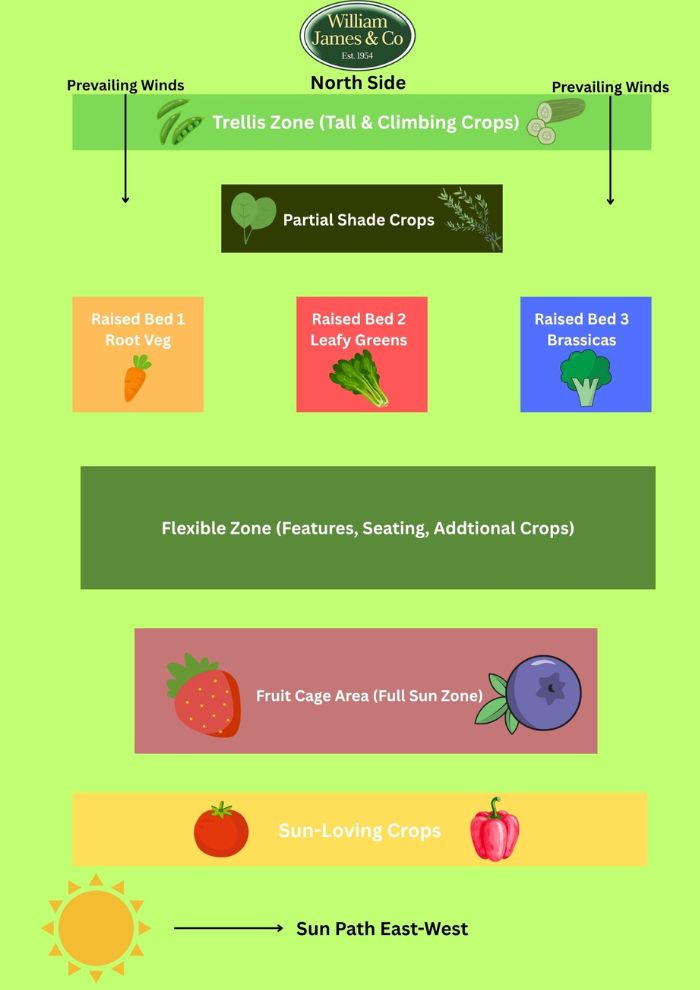
This south-facing garden layout, the sunniest orientation in the UK, places sun-loving plants like those in the fruit cage at the bottom (south) to maximise sunlight exposure.
We've then left a flexible central space for garden features like seating or a children's play area.
Above this, raised beds are grouped by crop type, allowing you to tailor the soil conditions for each plant family.
At the top of the garden (north), we've positioned shade-tolerant crops. This area naturally receives less sun, especially with trellises and climbing plants placed at the very back to prevent them from casting shadows over shorter plants.
Discover How to Train Climbing Plants
Using Structures to Improve Garden Crop Positioning
Garden structures don’t just support plant growth; they actively shape how your crops are positioned, protected, and managed.
By introducing certain structures, you can create more defined growing zones, make better use of space, and improve overall crop performance.
Browse Our Garden Structures Here
Trellises: Maximising Vertical Space
Trellises allow you to grow upwards rather than outwards, which is especially valuable in smaller gardens or tightly planned layouts.
Climbing crops such as beans, peas, cucumbers, and some squash varieties benefit from vertical support. By positioning these crops against a trellis, you:
- Free up ground space for other crops
- Improve airflow around plants (reducing disease risk)
- Increase sunlight exposure
For best results, place trellises:
- Along the north side of your growing area, to avoid casting shade
- Against fences or walls where support is already available
- In areas with good sunlight and some wind protection
Find Vertical Vegetable Garden Ideas to Maximise Your Space
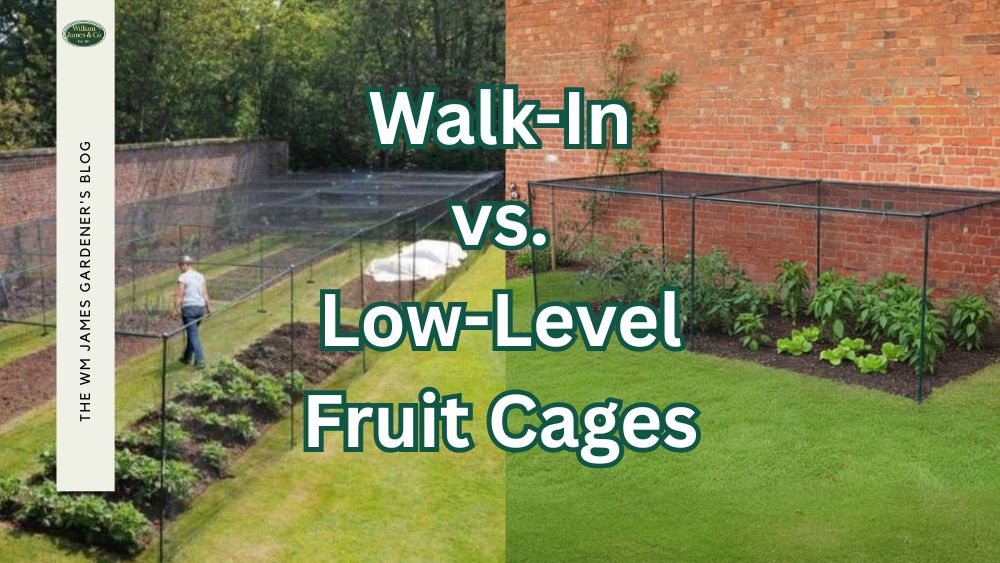
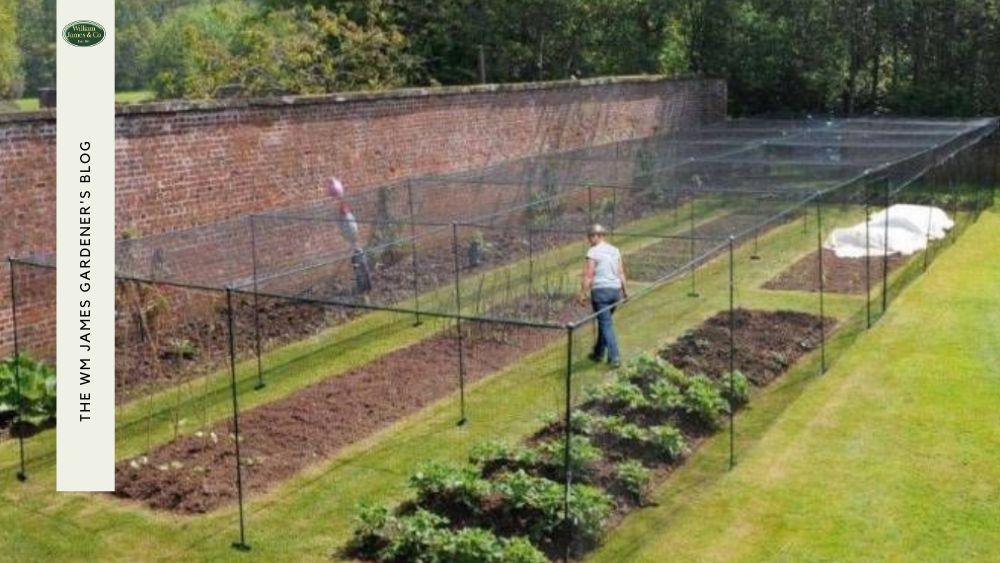
Fruit Cages: Protecting Garden Zones
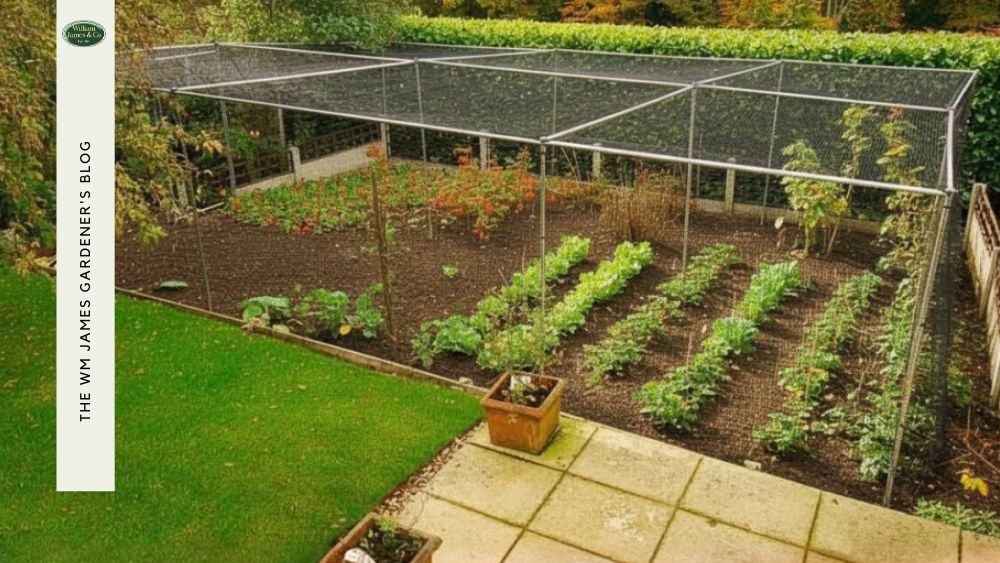
Fruit cages allow you to position vulnerable crops with confidence, knowing they are protected from birds and pests.
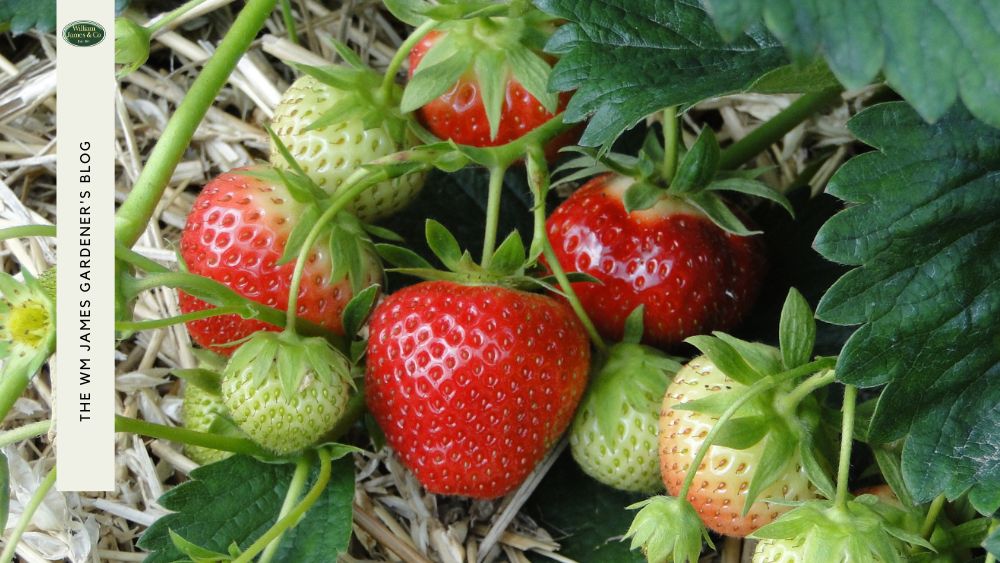
Soft fruits, such as strawberries, raspberries, and blueberries, are particularly susceptible to damage, and without protection, positioning them in open areas can lead to poor yields.
Read More About Protecting Soft Fruits
When positioning a fruit cage, consider:
- Placing it in a sunny, well-drained area
- Allowing enough space around it for access and maintenance
- Aligning it with existing beds or garden structure for a clean layout
A well-positioned fruit cage becomes a permanent, productive feature within your garden rather than a temporary fix. Read our fruit cage positioning guide for more information, or find our range below:
-
 Classic Steel Low Vegetable CageFrom: £144.30
 -
 Premium Aluminium Low Vegetable CagesFrom: £115.64
 -
 Classic Steel Walk-in Fruit Cage Frame & NettingFrom: £327.70
 -
 Premium Aluminium Walk-In Fruit Cage Frame & NettingFrom: £236.92
Raised Beds: Controlling Growing Conditions
Raised beds give you complete control over soil quality, drainage, and crop positioning, making them one of the most effective tools for improving garden layout.
By lifting the growing area above ground level, raised beds:
- Improve drainage in heavier soils
- Allow you to tailor soil conditions for specific crops
- Create clear, manageable planting zones
They also make it easier to organise crops based on their needs, helping you maintain consistent spacing and positioning.
Raised beds are particularly effective when combined with trellises or netting, creating a structured system where crops can be positioned precisely and managed efficiently.
Shop our most popular raised beds below…


Other Structures
There are other structures available for growing gardens, which may help in crop positioning. Some of which include:
- Cold frames: Useful for protecting young plants and extending the growing season, rather than growing full crops long-term.
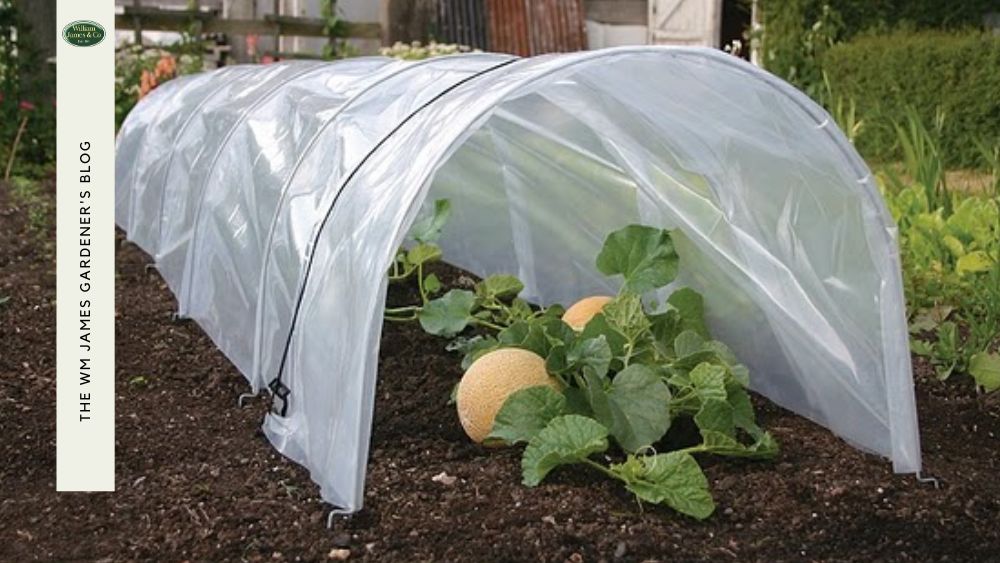
- Polytunnels: Polytunnels are particularly useful in larger gardens or allotments where maximising yield is the priority.
- Netting: Not necessarily a structure, but a great aid for pest protection where a solid frame is not required.
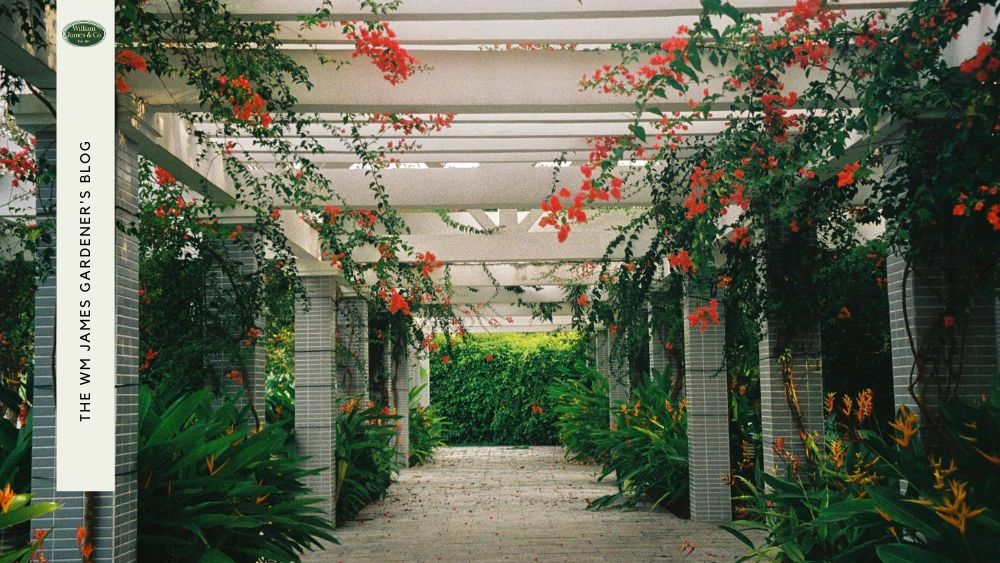
- Pergolas and arches: Ideal for adding height in your garden. You don't have to plant crops against these either; sometimes a floral pop can elevate a garden's aesthetic.
Find 5 Garden Netting Ideas to Protect Your Veggies


Common Garden Layout Mistakes to Avoid
To ensure you position your crops in the best layout possible, we also have to make you aware of the common mistakes as well as best practices.
That way, you'll know to avoid them!
Note the following so you don't repeat the same mistakes gardeners often make:
- Ignoring pest defence: Growing your own crops means, unfortunately, having to deal with pests. Companion planting, netting, cages, and more should be considered to ensure the positioning of your crops remains safe and secure.
- Not spacing properly: Not only do plants need adequate air flow, but they also need adequate nutrients. Without proper spacing, your plants could be subject to disease and malnutrition, as other, more competitive plants take over.
- Not planning for crop rotation: If you're just starting out, you may not have heard of crop rotation, so you can read more about the process here. Crop rotation is another essential process if you want to keep your plants pest and disease-free. Planning for this while initially positioning your plants will help you in the long term.
- Not knowing your plant's needs: Different plants need different things, and by doing some research and taking them into account, you can perfectly position all of your plants. If you don't, you could have some very unhappy crops on your hands.
- Not using a variety of structures: While this isn't necessarily a mistake, using various structures is a great way to make your garden look more interesting while saving you valuable space.
- Planting tall crops in the wrong direction: Putting tall plants in southern areas while short ones are in the north will block their sunlight.
- Ignoring wind exposure: Some gardens are subject to strong gusts and open wind tunnels, and your crops could experience unnecessary damage if positioned in these areas.
- Ignoring microclimates within the garden: Gardens should be treated as multiple zones, not one space. Where one section might experience great sunlight, the bottom of your garden might suffer frost-pockets, which can be damaging to plants, especially in the winter months.
Final Words: Garden Planning for Crop Success
When planning a successful produce garden, it's important to remain adaptable and monitor the progress of your plants throughout the growing season.
Weather conditions, pests, and unexpected challenges can arise, and being prepared to make adjustments will increase your chances of a fruitful harvest.
A well-maintained and thoughtfully planned garden will not only yield a bountiful harvest but also provide a rewarding gardening experience.
We hope we've given you all the advice you need on garden crop positioning, so good luck! Take your time, and design your very own, perfect-to-you crop garden.
Be sure to explore our range to start building yours today. Find our most popular products below, or browse our collection pages!

If you need any more help and advice on starting your crop garden, head to our blog, where we have plenty of information on just that. You can even contact us if you like. With over 100 years in the horticultural industry, we can share a tip or two!
FAQs
What is the Best Order for Crop Rotation?
The best order for crop rotation varies depending on many factors, such as the type of crops grown, climate, and soil conditions.
However, a general rule of thumb is to rotate crops with different nutrient needs to prevent depleting the soil's nutrients.
For example, planting legumes after heavy feeding crops like tomatoes can help replenish nitrogen levels in the soil.
What is the Best Layout for a Vegetable Garden?
The best layout for a vegetable garden depends on various factors like available space, climate, and personal preferences.
It’s essential to consider the following factors when planning your crop positioning:
- Sunglight and shade
- Soil type
- Wind and rain shelter
- Access
- Plant type
Once you've considered the above, you can start thinking about features such as fruit cages, trellises, and raised beds.
Head to the blog post above for more details on the best garden crop positioning.
How Far Apart Should Crops Be Positioned?
The spacing between crops in a fruit and vegetable garden is crucial for their growth and overall health. Proper spacing allows plants to receive adequate sunlight, air circulation, and nutrients from the soil.
It also helps prevent overcrowding, which can lead to disease spread and stunted growth.
The exact distance between plants will vary depending on the type of plant and its expected size at maturity. For example, leafy greens like lettuce and spinach can be planted closer together than larger vegetables like tomatoes or squash.
Generally, you should aim for about 3 inches between small root plants, and 3-5 feet for plants with large, sprawling roots.
Spacing varies significantly by crop. Always follow seed packet guidance or variety-specific recommendations.
Can You Change Crop Positioning Mid-Season?
While it's ideal to plan and stick to a specific crop positioning strategy, sometimes changes may need to be made mid-season.
For example, if one type of plant is not doing well in its current location, it may be beneficial to move it to a different spot with more favourable conditions.
However, moving plants can also disturb their root systems and cause stress, so it should only be done when necessary.

 RSS Feed