
 Quality garden equipment & accessories since 1954
 Free UK Delivery on orders over £100
 30 Day returns policy
A Gardener's Guide to Protecting Soft Fruit Crops As We Head Into Spring
- Admin
- Gardeners Diary
- 2 Mar 2026
-
239views

Spring is in sight, one of the most exciting seasons for gardening, but frosts are still lingering, and pests are becoming active. If you're growing in your garden, you need to care for your produce, so here is our guide to protecting soft fruit crops.
Soft fruit crops can be vulnerable in UK gardens, especially during late winter when the last frosts are still a risk.
Other extreme weather also poses a problem, as do diseases and pests.
Despite these potential setbacks, soft fruits are relatively easy and very rewarding to grow, as long as you're willing to provide protection to help keep your crops healthy.
Here's our comprehensive rundown of what you may need to do to protect your soft fruits as we head into spring.
Protecting Soft Fruit Crops at a Glance:
- Soft fruit crops are at risk from pests, birds, disease, late frosts, and unpredictable UK weather.
- Physical protection such as fruit netting, fruit cages, and garden fleece provides the most reliable defence.
- Good soil health, spacing, and regular monitoring help prevent disease and crop loss.
- Timely frost protection and seasonal care are essential for maintaining healthy yields.
Garden Management Practices for Protecting Your Soft Fruit Crops
Protecting your soft fruits and ensuring a healthy harvest starts with good garden management.
Regular pest control is essential to spot and address potential problems early. Check your plants often for pests like aphids, spider mites, or caterpillars. You can hand-pick pests or introduce helpful insects like ladybirds to manage them naturally without using harsh chemicals.
Using high-quality soil is also crucial for growing strong, healthy plants. Choose nutrient-rich, well-draining soil to support your soft fruit crops. Test the soil’s pH and nutrient levels regularly to make sure it’s suitable for the fruits you’re growing. Adding organic matter like compost or well-rotted manure can improve the soil’s fertility and structure.
Whenever possible, use natural alternatives to traditional pesticides. Homemade solutions, such as garlic spray, neem oil, or mild soap, can effectively repel pests without harming the environment.
Adding mulch around your plants can also help by keeping the soil moist, regulating temperature, and reducing weeds that might attract pests.
By following these simple, eco-friendly strategies, you can protect your soft fruits and maintain a sustainable garden.
What to Watch Out For
While our flora and fauna in the UK are fairly well balanced, there are a few things you need to keep an eye out for if you want a bountiful harvest this spring. Some of the most common issues for soft fruits are:
| Fruit | Primary Pest | Primary Disease | Environmental Risk |
| Strawberries | Vine Weevil / Slugs | Grey Mould (Botrytis) | Spring Frost |
| Raspberries | Raspberry Beetle | Cane Blight / Root Rot | Waterlogging |
| Gooseberries | Gooseberry Sawfly | American Mildew | Leaf Scorch |
| Blackcurrants | Big Bud Mite | Blackcurrant Reversion | Lack of winter chill |
1. Common Pests
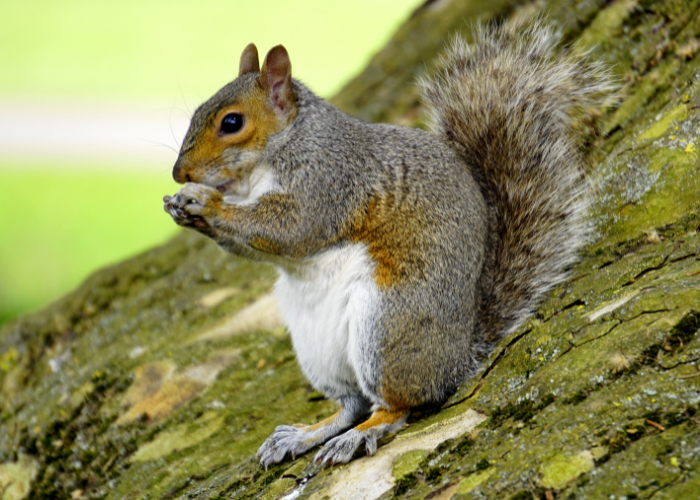
Insect pests are often the most visible threat, capable of destroying a crop just as it ripens. Here are the top pests to keep an eye out for:
- Spotted Wing Drosophila (SWD): A relatively new and serious threat in the UK. Unlike native fruit flies, SWD can pierce the skin of ripening fruit to lay eggs, causing the fruit to collapse from within.
- Vine Weevil: The larvae are the real danger here; they live in the soil and eat the roots of strawberries and container-grown fruits, often killing the plant before you realise there's a problem.
- Aphids (Greenfly/Blackfly): These suck sap and cause leaf curling. More importantly, they often spread viruses that can permanently stunt your plants.
- Gooseberry Sawfly: These can strip a gooseberry or redcurrant bush of its leaves in a matter of days, leaving it unable to ripen its fruit.
- Raspberry Beetle: The larvae of this beetle are the "maggots" often found inside the core of raspberries and blackberries.
- Birds: Pigeons and smaller birds like bullfinches can strip a bush of berries in hours. They also target the buds of currants in late winter.
- Slugs and Snails: They are a major threat to strawberries, as the fruit sits close to the ground. They take small bites that then lead to secondary fungal infections.
2. Prevalent Diseases
The UK's humidity levels can create a breeding ground for fungal and bacterial issues. The most common ones to look out for include:
- Grey Mould (Botrytis cinerea): This is the most common disease. It appears as a fuzzy grey growth on ripening fruit, especially during wet summers. It spreads rapidly through touch and wind.
- Powdery Mildew: A white, dusty coating on leaves and fruit. It’s particularly common on gooseberries and strawberries during dry spells when the air is still humid.
- Phytophthora (Root Rot): Common in raspberries and strawberries grown in heavy, waterlogged soil. It causes plants to wilt and die back suddenly as their root systems fail.
- Viruses: Various "reversion" or "leaf spot" viruses can affect currants and raspberries. These are often incurable and require the entire plant to be removed and destroyed.
3. Environmental & Weather Threats
The UK's unpredictable weather can be just as damaging as any pest. Keep an eye on forecasts to prepare for these environmental threats:
- Spring Frosts: Soft fruits often flower early. A late frost in April or May can kill the blossoms, meaning no fruit for the entire year.
- Lack of "Chill Hours": Many soft fruits need a certain amount of winter cold (vernalisation) to fruit properly. Recent milder UK winters have led to some crops having poor vigour or "blind" wood.
- Fruit Splitting: Heavy rain following a dry spell can cause fruits like cherries or gooseberries to swell too quickly and split their skins, making them rot instantly.
Physical Barriers to Protect Your Soft Fruit Crops
The most effective way to protect your soft fruit crops from pests, frosts, and diseases is with physical barriers. Here are our top recommendations to keep your soft fruits healthy and thriving.
Fruit Nets for Trees


Fruit netting is one of the easiest and most effective ways to keep birds, insects, and other pests away from your soft fruit trees.
Simply wrap the net around the tree foliage, securing it with clips or ties. This will prevent birds from pecking at your precious fruits, and also keep out pests like caterpillars and aphids that can damage or destroy your crops.
Just make sure you don't wrap the crown too tightly, or you'll risk squashing your crops!
Fruit Cages
-
 Classic Steel Low Vegetable Cage
From:
£144.30
Classic Steel Low Vegetable Cage
From:
£144.30
-
 Classic Steel Walk-in Fruit Cage Frame & Netting
From:
£327.70
Classic Steel Walk-in Fruit Cage Frame & Netting
From:
£327.70
-
Classic Steel Low Vegetable CageFrom: £144.30
-
Classic Steel Walk-in Fruit Cage Frame & NettingFrom: £327.70
-
 Premium Aluminium Low Vegetable Cages
From:
£115.64
Premium Aluminium Low Vegetable Cages
From:
£115.64
-
 Premium Aluminium Walk-In Fruit Cage Frame & Netting
From:
£236.92
Premium Aluminium Walk-In Fruit Cage Frame & Netting
From:
£236.92
-
Premium Aluminium Low Vegetable CagesFrom: £115.64
-
Premium Aluminium Walk-In Fruit Cage Frame & NettingFrom: £236.92
If you have soft fruit bushes like raspberries, blackberries, or currants, a fruit cage is an excellent investment in protecting your harvest.
These cages are made with sturdy metal poles with mesh netting, creating a barrier that keeps out birds, rabbits, and other small animals without worrying about squashing or stunting your plants.
They come in two main types: low cages and walk-in cages.
Low cages are particularly suited for smaller soft fruit plants, such as strawberries and raspberries. These provide adequate protection while allowing easy access for maintenance and harvesting.
On the other hand, walk-in cages are ideal for larger plants like gooseberry bushes or blackberry bushes. These garden cages offer ample space for gardeners to move around, making it easier to care for and collect your fruits without any hassle.
Remember to secure the bottom of the cage with ground pegs to avoid sneaky pests.
Fruit cages are the best at all-around protection, helping you create a dedicated area for all soft fruit crops while you help them grow.
If you’re not sure where to start, read our ultimate guide to buying fruit cages.
Garden Fleece


Garden fleece is the perfect protection for soft fruits against late frosts and sudden cold snaps due to its lightweight yet insulating properties.
Acting as a barrier, it helps to shield your delicate crops from harsh temperatures while still allowing air, light, and moisture to reach the plants. This ensures healthy growth without the risk of frost damage, keeping your fruit crops in optimal condition.
Easy to use and versatile, garden fleece can be draped directly over plants or used to create temporary structures, making it an essential tool for any gardener aiming to extend their growing season and protect their harvest.
Alternatively, a small polytunnel can effectively protect your crops from cold snaps.
Keep Plants Cosy With Garden Fleece
Companion Planting to Protect Your Soft Fruit Crops
Companion planting is a simple and natural way to protect your soft fruit crops from pests and improve their growth.
By planting certain types of plants together, you can create a supportive environment where plants help each other while keeping harmful insects and diseases away.
Some examples of companion planting include:
- Planting marigolds near soft fruits can repel nematodes and aphids due to their natural pest-repelling abilities.
- Herbs like mint and basil not only attract pollinators but also help keep pests like spider mites and whiteflies away.
- To control weeds and keep the soil around your fruit bushes moist, try adding low-growing plants like clover or chamomile, which can also improve soil quality.
- Garlic and onions work well with strawberries, as their strong smell helps deter slugs and other pests.
Choosing the right companion plants can make your fruit crops healthier while cutting down on the need for chemical pesticides and fertilisers.
Learn how to grow blueberries from seed to get started with your soft fruit crops.
How to Protect Your Soft Fruit Crops from Late Frosts
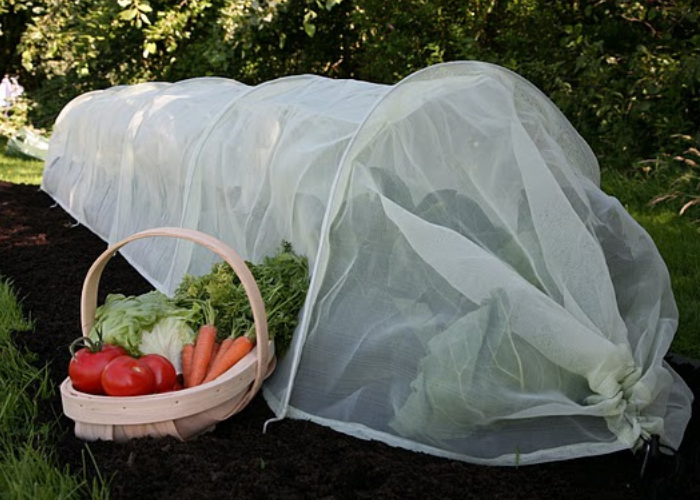
- Use Fleece or Coverings
Protect your plants by covering them with horticultural fleece, old bedsheets, or frost blankets during cold nights. Ensure the coverings are secured, but do not weigh down the plants. - Water the Soil
Moist soil retains heat better than dry soil. Water your soft fruit crops before frost is predicted to help shield the roots from freezing temperatures. - Mulching
Apply a thick layer of organic mulch, such as straw or bark, around the base of your plants. This insulates the roots and helps regulate soil temperature. - Position Pots Wisely
If your soft fruits are grown in pots or containers, move them to sheltered areas, such as against a south-facing wall or into a greenhouse, to provide extra protection. - Prune Strategically
Avoid pruning soft fruit plants too early in the season, as leaving some growth can act as a natural buffer against frost damage. - Erect Windbreaks
Use windbreaks or temporary barriers to shield your crops from icy winds, which can increase the impact of frost on delicate fruit buds.
By implementing these measures, you can minimise frost damage and ensure a healthy, productive harvest from your soft fruit crops.
Summary: Keeping Your Produce Safe Through the Seasons
When it comes to protecting your soft fruits from frost, be sure to position them wisely, prune strategically, and use windbreaks or barriers to shield them from harsh winds.
By taking these simple steps, you can ensure a bountiful harvest of delicious and healthy produce all year round.
Remember to keep an eye on the weather forecast and take action accordingly to safeguard your crops.
Growing and nurturing soft fruit crops is a year-round job, but it is especially important in late winter as we move into active spring.
Remember, keep an eye on pests and disease, always be one step ahead of the frosts, and use physical barriers like fruit cages and plant protection netting when needed.
For more tips on keeping your garden thriving, head to our blog, where you'll find lots of advice from veggies to bedding plants, and fruit!
Read Our Latest Gardening Posts
Find All Your Plant Protection Needs At WM James Co.
At WM James Co., we stock a wide range of plant protection products to help keep your garden flourishing, whatever the weather or pests may bring.
From durable fruit netting and sturdy fruit cages to garden fleece, cold frames, and so much more, we have everything you need to safeguard your plants from nature's challenges. Our carefully selected products are designed to support healthy growth and thriving crops all year round.
Order online today to take advantage of our free delivery* and ensure your plants get the protection they deserve!
*Get free UK delivery when you spend £100.
Order Quality Plant Protection Products
FAQs
How Do I Prevent Soft Fruit Crops from Rotting?
Preventing soft fruit crops from rotting as they grow requires a few key practices, including:
- Proper spacing between plants
- Avoiding over-watering plants
- Pruning and removing diseased or rotting plants
- Crop rotation
- Ensuring good drainage
- Harvesting crops at the correct time
What is the Best Thing To Put Around Fruit Trees?
The best protection for soft fruit crops depends on what you're aiming to protect your fruit from.
For protection against pests, we recommend fruit netting or a fruit cage.
To protect fruit from frost, a cloche or horticultural fleece is often the best solution.
If your aim is to reduce the risk of disease, focus on proper spacing, good ventilation, healthy soil, and avoiding over-watering.
When Should I Cover My Fruit Trees from Birds?
Covering your fruit trees with netting to protect them from birds should coincide with the plant starting to fruit, just after pollination.
This ensures pollinators can still access the blossoms before protection is put in place.
When To Prune Soft Fruit Trees?
Prune soft fruit trees during their dormant season, typically in late autumn or winter.
This encourages healthy growth, improves air circulation, and boosts fruit production in the next season.
Is Washing-Up Liquid Harmful to Plants?
Yes, it can be.
While some people use washing-up liquid as a substitute for garden treatments, it contains chemicals that can damage plants and harm surrounding wildlife.
It is always best to use products specifically designed for garden use.
Related Posts

 RSS Feed