
 Quality garden equipment & accessories since 1954
 Free UK Delivery on orders over £100
 30 Day returns policy
Top 10 Common Garden Pests & Diseases (& How to Spot Them)
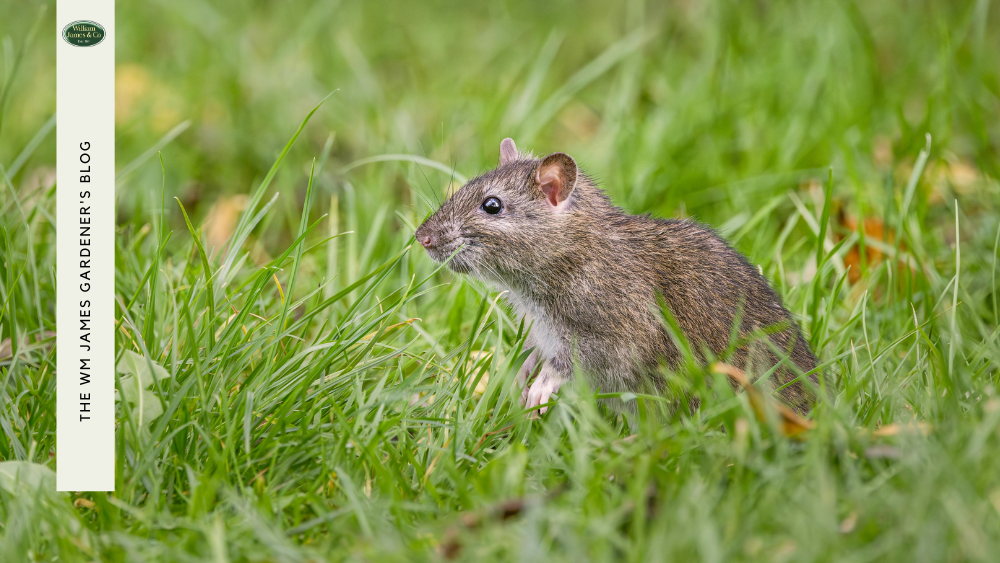
If you're battling common garden pests and diseases, but don't know how to win, this guide is for you.
We're here to help you spot the signs early, control, and prevent the problem from happening again.
So, before your garden insects have a chance to multiply, let's get into it.
In This Guide:
Having problems with pests and diseases is completely normal, and you shouldn't beat yourself up about it. Although it can be frustrating, the fix is usually straightforward.
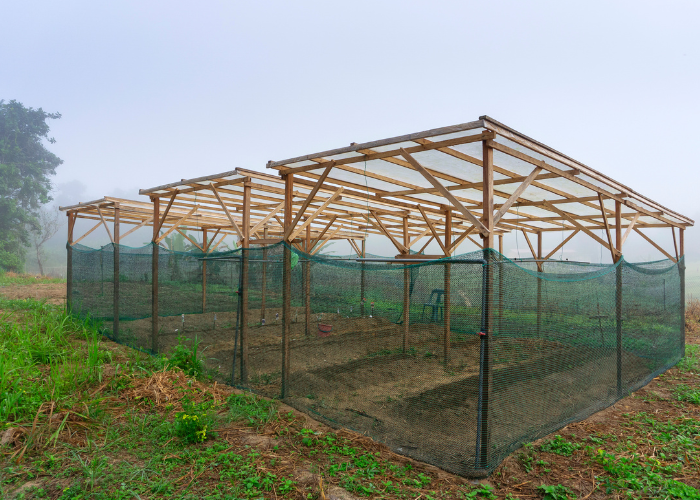
For example, you can use a fruit or vegetable cage structure, like the ones below, to create a microclimate within your garden. If you order one today, you'll even get free delivery!


How to Spot & Handle Common Garden Pests
A little bit of garden bugs identification knowledge could be a lifesaver when it comes to protecting your produce.
Whether you have flowers, veggies, fruit, or herbs, they can all succumb to pests at one point or another, so it's best to stay informed about the pesky insects and animals you're likely to find in your allotment or garden.
We've highlighted 5 of the most common pests you might encounter, so you can identify them and remove the problem.
Download our simple guide, which indicates the pest, common causes, and how to handle the issue!
1. Aphids
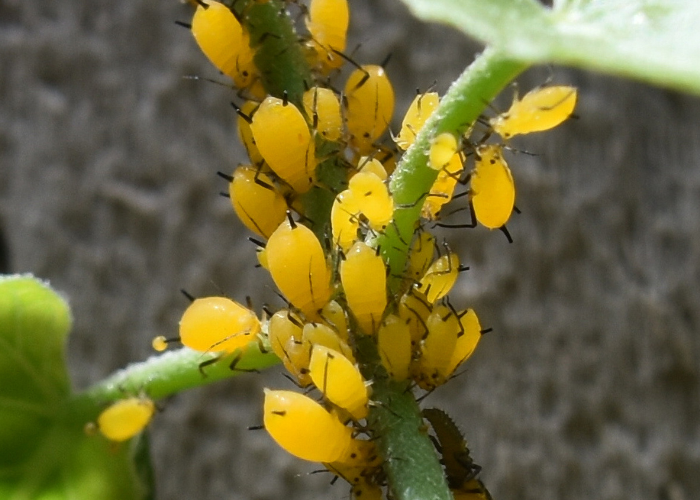
Aphids are super common in UK gardens, and they can be a real nuisance if you're an avid grower.
They're known as sap-sucking insects and can take a shine to your plants, stunting their growth.
You can read more about aphids, in particular blackfly, in our blog post, but for now, let's discuss the basics.
Read Our Tips on Protecting Your Plants From Aphids
Aphids are clusters of small, soft-bodied insects (green, black, or brown) on new (young) shoots or the undersides of leaves.
They're quite easy to spot, and if you've got ants nearby, you know you're on to them.
Due to honeydew, leaves may curl, turn yellow, or look sticky. After they've populated one plant, they'll likely move onto one nearby, making the spread even greater.
To get rid of them, you have a few options:
We don't recommend using chemical pesticides for any garden problem. These can further damage the beneficial wildlife and plant life in your garden, giving you no real control over your outdoor area.
2. Slugs & Snails
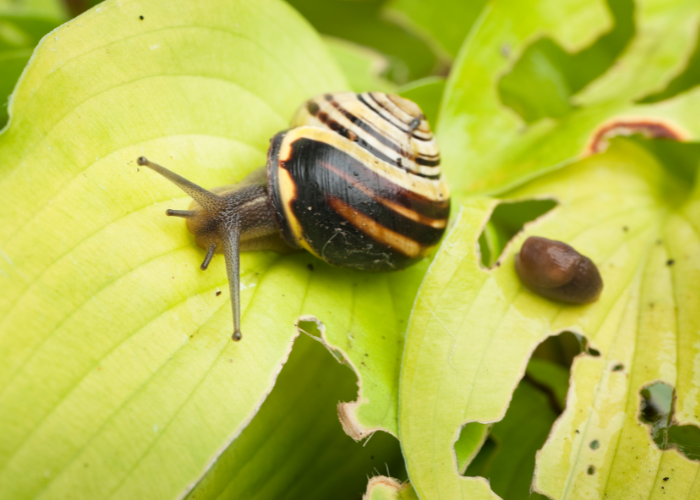
We're sure you know what a slug or snail looks like – you've probably even trodden on a few in your time, no?
You might know what they look like, but you might not know what it looks like when they damage a plant.
These critters leave irregular holes in leaves, slime trails, and damage to young plants or seedlings, especially overnight.
Sound familiar? If you want to know how to handle your slimy problem, here's how:
- Hand-pick them in the early morning or evening, and place them far away from your plants.
- Use effective barriers like copper tape or crushed eggshells.
- Organic slug palettes – while they're not completely harmless, they're a much better option than regular palettes or harsh chemicals.

3. Vine Weevils
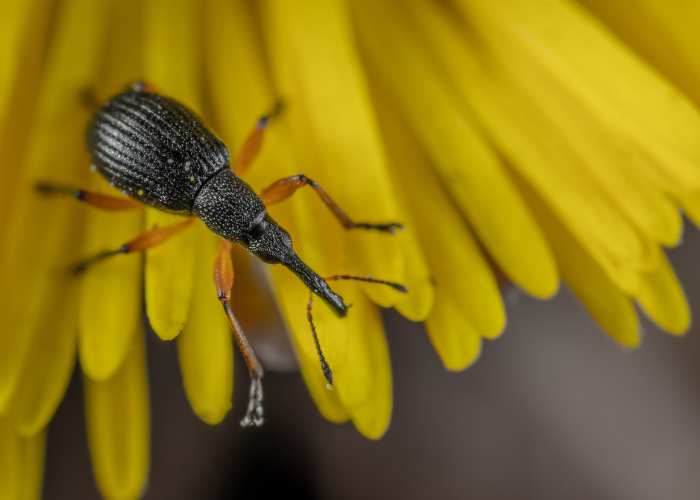
Wine weevils cause notches in leaf edges (caused by adults), wilting plants, or sudden plant death due to root-eating larvae.
They're not nice creatures, and you definitely don't want them in your garden.
They look a bit like dull black or grey beetles, but they're most active at night, so you're not likely to actually see them.
Garden larvae identification is easy because they look like cream-coloured grubs, but they’re usually close to the root, so you won't see them either.
If you suspect a vine weevil problem, here's our advice:
- Use nematodes (microscopic worms) in the soil to kill larvae.
- Check container plants regularly, and remove adults by hand at night.
- Avoid reusing old compost in pots. Always have a fresh batch.
4. Birds
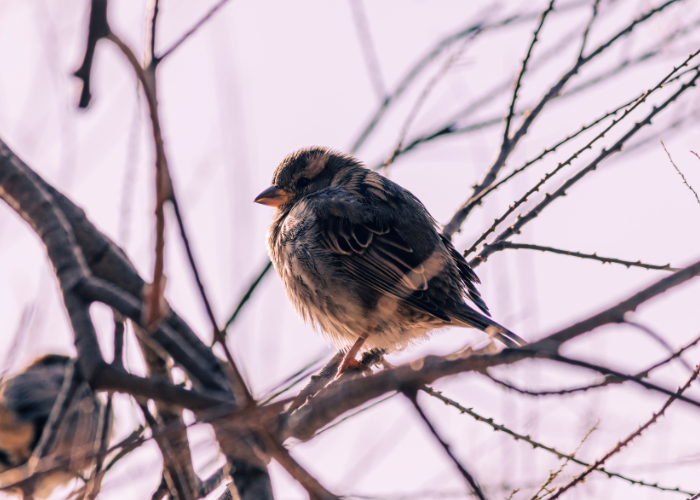
Of course, we all know what birds look like, and you might enjoy watching a few graze in your garden.
But the problem occurs when they start going at your produce that you want to eat yourself.
Bird damage will show itself through damaged seedlings, pecked fruit, disturbed soil, and missing bulbs. In other words, they like to make a mess of your garden.
It's not at all best practice to kill birds like you would other insects, and we're sure you'd agree. So, how do you stop them from getting at your produce?
Well, it's all about prevention.
Here are some ways to stop birds ruining your precious plants:
- Use netting or crop cages for vulnerable plants - we'll talk about this in more detail later.
- Install bird scarers like reflective tape, fake predators, or bird spikes.
- Protect seedlings with cloches or fleece until they've established themselves further.


5. Squirrels
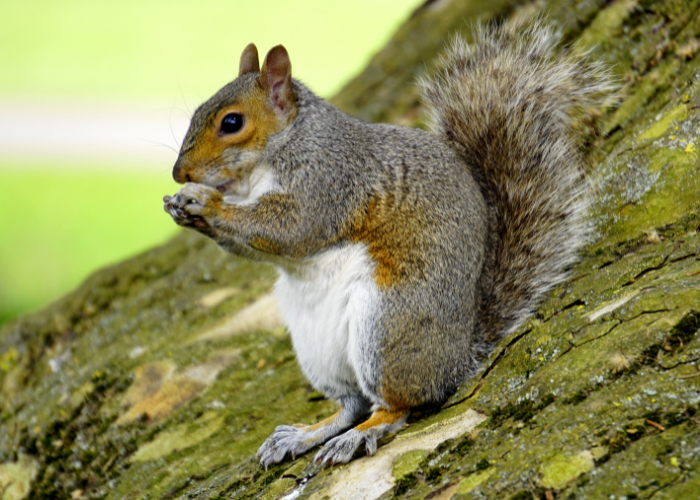
Squirrels are the same as birds, in the sense that you probably know what they look like, you know if your garden attracts them, but you still can't remove them by killing them.
Squirrel damage will look like dug-up bulbs, stripped bark on trees, eaten fruit, and damaged feeders.
So, although squirrels are kind of cute-looking, they can still cause havoc in your outdoor space.
Again, dealing with your squirrel problem relies on preventative measures as opposed to removal methods, so here are our recommendations:
- Install fruit or vegetable cages with netting – we'll go into details later.
- Use squirrel-proof feeders and bulb cages.
- Consider repellents (natural ones like pepper sprays).
- Use netting to protect flower beds.
Shop the Best Vegetable Netting
How to Spot & Handle Common Garden Diseases
Spotting garden diseases can be difficult because many look similar, and most of the time, you might not even notice anything's wrong.
However, spotting these diseases is essential to your plant's health. If the disease spreads, you could end up with a full infestation.
We've highlighted the most common garden diseases, how to identify them, and how to handle the problem.
1. Powdery Mildew
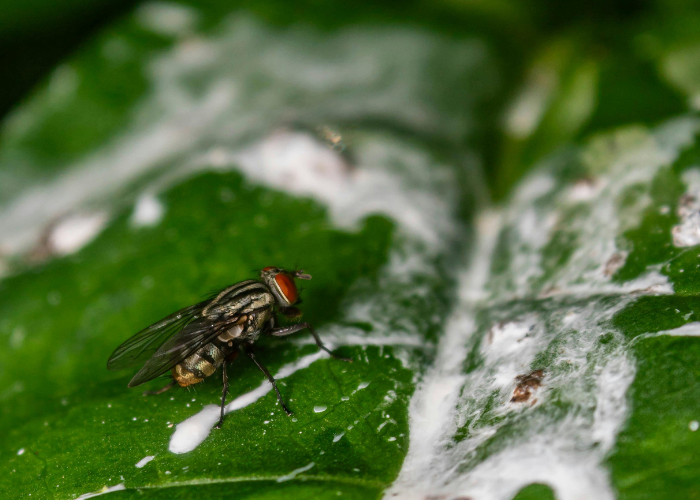
Powdery Mildew will often present as a white, dusty coating on leaves, buds, and stems. It often appears in dry weather with poor airflow.
This is a common fungal disease that affects a wide range of plants, from flowers to fruit, veggies, and herbs.
If left untreated, Powdery Mildew can weaken the plant and stunt its growth. Plus, it doesn't look too appealing, especially if you have a decorative garden.
Below is a list of ways you can remove and treat this disease:
- Remove the infected leaves with secateurs (remember to wash your tools after!).
- Apply a bicarbonate spray (1 tsp baking soda + 1 litre water + a few drops of soap) for a natural remedy.
2. Botrytis (Grey Mould)
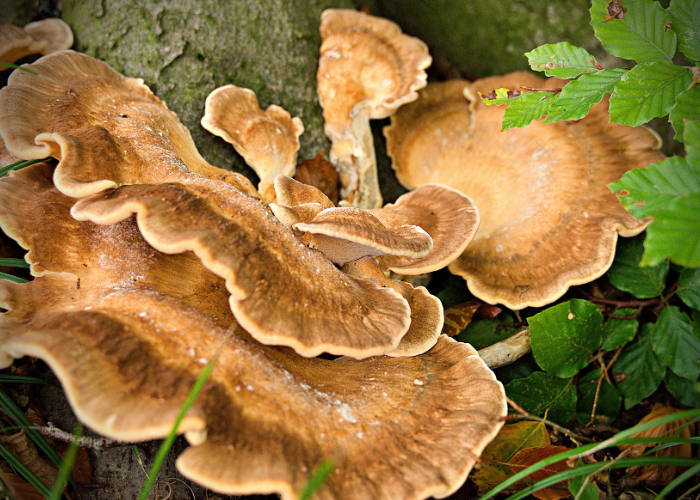
Spotting Botrytis is easy because it looks like grey, fluffy mould on stems, leaves, or flowers.
It'll often affect damaged or dying plant parts, and will likely spread to healthier, younger parts of your plants.
It's very common, you've probably even noticed it if you've ever had to get rid of some old vase flowers inside your home. This is because the conditions inside the glass are humid, so watch out for your greenhouse plants.
Here are some ways to remove and treat the mould:
- Remove dying/decaying plants straight away because mould is imminent.
- Remove part of the plants that the mould has affected. Be careful when doing this, as it can fall and disperse onto other plants.
3. Rust
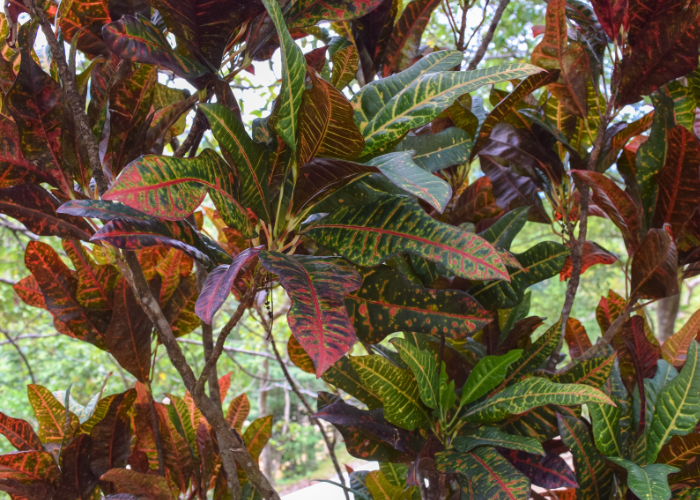
Rust is a fungal disease that commonly affects plants. It's characterised by orange, yellow, or brown spots that appear on leaves and stems.
It can weaken plants and reduce their overall health if not addressed promptly.
Rust often thrives in warm, moist conditions, making it a frequent issue in greenhouses or during humid seasons.
In extreme cases, a rust infection can even kill a plant, so it's best to deal with the situation as soon as you spot a problem.
To get rid of it, you should:
- If a small number of leaves are affected, snip off the infected leaves.
- If you're using it, stop using nitrogen-rich fertiliser.
- Leave it alone. In some cases, if the rust appears late in the summer, it isn't going to affect your plant's health too much, so it's safer to leave it alone.
4. Blight
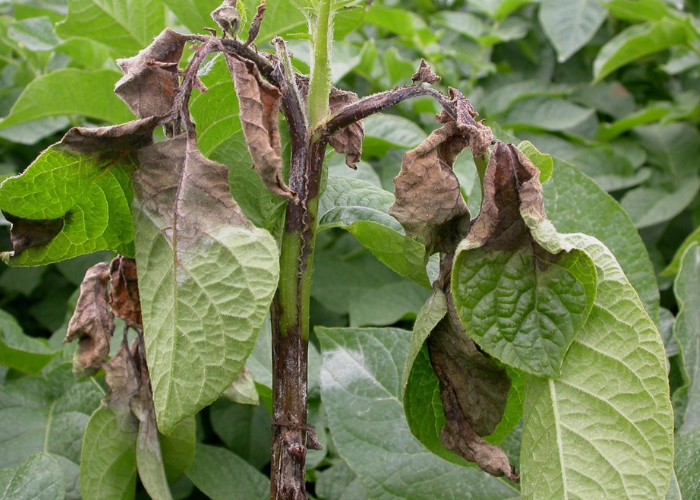
Blight is a particularly devastating plant disease that can spread rapidly and cause significant damage to crops or garden plants.
This disease often begins as dark, water-soaked spots on leaves, stems, or fruit, which can quickly expand and cause parts of the plant to rot and die.
Blight thrives in warm, wet conditions, making it a common issue during prolonged periods of rain or high humidity – aka British summer time.
To treat Blight, you can:
- Remove any affected plant matter and dispose of it by burning it, putting it into your green waste collection, or burying it deeply in your garden.
- Picking off leaves will slow the infection, but not remove it completely.
- Don't compost the infected plant or the leaves you remove.
- Carry out a crop rotation, or implement a plan if you don't already have one.
See Our Simple Crop Rotation Chart for Beginners
5. Clubroot
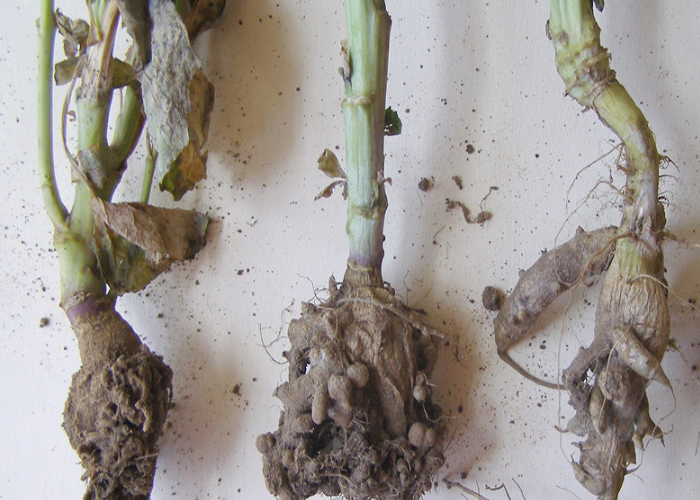
Clubroot is a challenging soil-borne disease that affects members of the brassica family, including cabbage, broccoli, and cauliflower.
Read More: The Ultimate Guide to Growing Root Vegetables
It causes the roots of these plants to swell and distort, leading to stunted growth and yellowing leaves.
The disease thrives in acidic, waterlogged soils and can persist in the soil for many years, making prevention critical.
So, how do you deal with it if the problem occurs? Here are our recommendations:
- Raise the soil pH by liming.
- Improve soil drainage by adding compost, sand, and mulching.
- Always clean your garden tools after working with the affected area, so you don't spread it further.
The Best Way to Prevent Common Garden Pests & Diseases
Prevention is key when it comes to pests and diseases; it'll save you a whole lot of hassle down the road, that's for sure.
Of course, you want your garden to be healthy and thriving, without having to worry about the spread of nasty diseases and unwanted visitors.
So, what's our number one recommendation?
Here at WM James, we're somewhat experts on these garden structures, and they are a huge help in growing successful produce that actually makes it to your plate. Here's why:
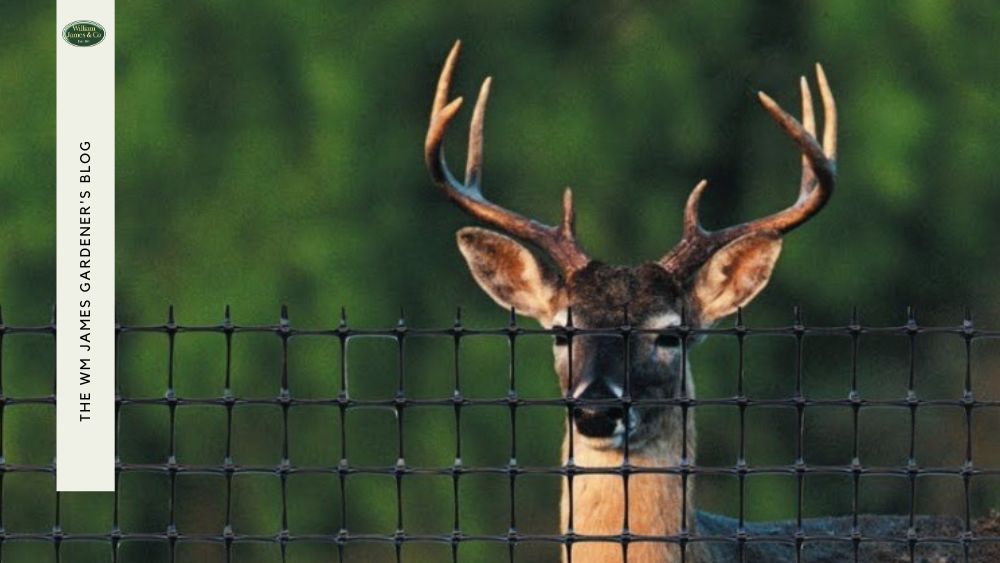
- They provide a physical barrier between your plants and potential pests, especially those big nuisances like birds, foxes, cats, and deer.
- They can help protect against weather conditions like heavy rain or strong winds, which can damage plants and make them susceptible to diseases.
- You can improve your yield by giving your plants an undisturbed, roomy place to thrive.
- Using one can help create a microclimate that's ever so slightly warmer than the outside air, thanks to the netting, which can help certain crops grow stronger.
Fruit cages have netting small enough to keep out large pests and predators, and big enough to let pollinators in to benefit your plants, but that also means smaller pests, like aphids, can appear.
That's why we've outlined some other prevention methods below.
10 Other Ways to Prevent Common Garden Pests & Diseases
If you have a balcony garden or don't have a garden big enough for a fruit or vegetable cage, there are some things you can do to prevent the risk of pests and diseases on your crops.
It's likely you're already doing these things anyway, but in case you need a brush-up on best gardening practices, here are our 10 prevention recommendations:
- Choose healthy plants: If you start with disease-resistant, pest-resistant plant varieties, you're already making your life easier.
- Maintain good soil health: Enrich your soil with organic matter like compost.
- Practice crop rotation: Avoid planting the same crops in the same spot year after year. This disrupts the life cycle of pests and reduces the risk of soil-borne diseases.
- Water wisely: Water plants at the base to keep foliage dry, as wet leaves can encourage diseases. However, be careful not to overwater, as puddles in the soil can attract pests.
- Keep your garden clean: Remove dead leaves, weeds, and debris where pests can hide and thrive. Always clean your tools after each use, too.
- Inspect plants regularly: Check for signs of pests or diseases, as early detection can prevent a small problem from becoming a big one.
- Use mulch: Mulch helps retain moisture, regulate temperature, and prevent weeds.
- Give plenty of space: Avoid overcrowding your plants. They need good air circulation, or diseases can form and fester.
- Prune and trim: Remove infected or damaged plant matter to prevent the spread of diseases or pests.
- Companion planting: Planting certain species together helps repel pests. You can find out more about this in our downloadable fruit cage guide!
A Word About Plant Fungus
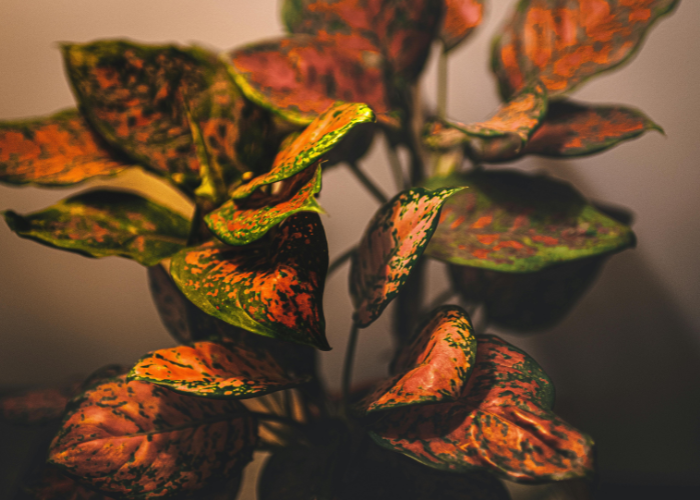
Although you might think it is, fungus isn't actually a disease itself, but it can sometimes cause some of the nasty diseases we've spoken about above.
Some fungi can actually be harmless, and you don't need to do anything about them, but other kinds, like honey fungus and fairy rings, pose a bit more of a threat.
You can diagnose the issue if you spot individual fungi or clusters of toadstools just about anywhere on your lawn or garden. They'll likely come after a bout of warm, wet weather.
If you find fungi anywhere in your garden, the best thing to do is eradicate them as soon as possible. You need to do this by removing the source of the infections, which is likely the soil below, too.
Remember, you cannot compost this matter. You need to take it to landfill or burn it.
You need to consider the plants surrounding the infection, too. They may look healthy, but their roots might be affected, so it might be best to remove them also.
In the future, you can prevent fungus by:
- Rotating the crops each year.
- Choosing fungus-resistant plants.
- Mulch your soil.
- Make sure there's ample space between plants.
- Clean tools regularly.
- Sterilise all pots and seed trays.
Conclusion: Make Your Space Flourish with Garden Pest Control
Keeping your garden free from pests and diseases isn't an easy task, even for the most experienced gardeners. Nature is unpredictable, and sometimes, there's not much you can do about it.
That's why you should give your garden the best possible chance with William James!
Check out our fruit and vegetable cage options below, or head to the section where you can find even more useful information.
Remember, prevention is key to controlling pests and diseases. Implement your methods, and the rest will follow!
For more help and advice on gardening in the UK, head to our blog, where you can find tons of posts on topics from growing to pruning, and everything in between!
FAQs
What Is the Most Common Pest in the Garden?
The most common garden pests you'll see in the UK are likely slugs and snails. The UK has a (mostly) very wet climate, making these creatures appear almost out of nowhere as soon as we get a bit of drizzle.
What Are the Tiny Black Bugs in My Garden?
Probably aphids! These critters are extremely common in UK gardens, often drawn to sap in young plants.
To learn more about these insects, we have a whole blog post about aphids available to read below.
Read more: How to Get Rid of Blackfly
What Are the Hardest Pests to Get Rid Of?
In UK gardens, vine weevils are widely considered one of the hardest pests to get rid of, particularly because of their destructive larvae, which feed on plant roots out of sight.
How Do You Treat a Plant with Fungus?
The best thing to do is remove the infected plant and any healthy-looking plants on either side of the infection area, because the fungus likely reached their roots.
Related Posts

Categories
Recent Posts

 RSS Feed