
 Quality garden equipment & accessories since 1954
 Free UK Delivery on orders over £100
 30 Day returns policy
How To Grow A Stir-Fry Garden: An Easy Guide
- Admin
- WM James Gardening Blog
- 16 Sept 2025
-
15views
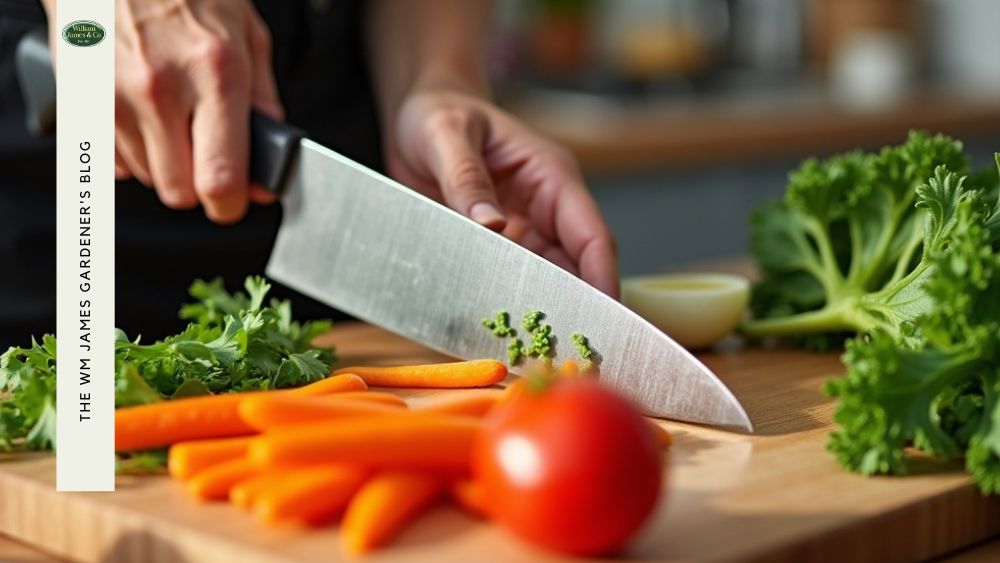
Having a vegetable patch in your own backyard can be a great way to save money and have fresh produce at your fingertips. And what could be better than having your own stir-fry garden?
With just a few simple steps, you can grow all the ingredients for a delicious and healthy stir-fry dish right in your own backyard, and best of all, it's not as difficult as you might think.
Quick Summary: How to Grow a Stir-Fry Garden
- What it is: A stir-fry garden is a compact, easy-to-manage plot designed to grow fresh vegetables and herbs perfect for quick, healthy meals.
- Getting started: Choose a sunny, well-drained spot, use raised beds or tiered gardens for efficiency, and follow proper spacing so each plant thrives.
- What to grow: Favourites include pak choi, curly kale, spring onions, carrots, aubergines, broccoli, and bell peppers – all ideal for stir-fry dishes.
- Care tips: Keep soil moist, mulch to control weeds, feed regularly with compost or fertiliser, and protect crops with fruit cages or netting.
- Why it’s worth it: A stir-fry garden provides a sustainable, cost-effective way to enjoy homegrown ingredients packed with flavour and freshness.
How To Set Up a Stir-Fry Garden
Getting started with a delicious stir-fry garden is super simple and can be done in a weekend to help you turn your outdoor space into a bountiful and sustainable food source.
Pick The Right Area
Picking the perfect spot for your stir-fry garden is key to healthy plants. First, find a sunny place—most veggies and herbs need 6-8 hours of direct sun daily.
You also need to think about shelter; good airflow is good, but strong winds can harm plants. Make sure the soil drains well, or use raised beds to avoid soggy roots.
Finally, put your garden near a water source for easy watering and access. The right spot means a productive, easy-to-care-for stir-fry garden.


Using Raised Beds & Tiered Gardens
Raised beds and tiered gardens are great options for creating a compact and productive stir-fry garden.
Raised beds help you make the most of your space by concentrating fertile soil in one area, making it easier to manage soil quality and drainage. This is especially useful for growing a mix of vegetables and herbs, as each plant can get the conditions it needs to grow well.
Tiered gardens, on the other hand, maximise vertical space, allowing you to grow more in a smaller area. You can plant leafy greens on the lower tiers and save the higher levels for sun-loving crops.
Both methods save space, improve accessibility, and keep your garden organised, making them ideal for efficient gardening.
Explore Raised Beds & Planters
Getting the Spacing Right
Proper spacing is essential for a healthy and productive stir-fry vegetable garden. Overcrowding can hinder growth and reduce yields, while leaving ample room helps each plant thrive.
When planning your garden, consider the specific spacing needs of each vegetable.
- Leafy Greens (such as pak choi, spinach, or kale): These vegetables grow well with a spacing of 6–8 inches (15–20 cm) between each plant. This allows their foliage to spread while ensuring good airflow to prevent disease.
- Carrots and Radishes: Root vegetables like these need about 2–3 inches (5–8 cm) of space between plants in rows. Make sure rows are spaced around 12 inches (30 cm) apart for easier thinning and harvesting.
- Spring Onions (or scallions): These compact plants require just 1–2 inches (3–5 cm) between each, making them perfect for filling smaller spaces or edges of your garden beds.
- Peppers and Aubergine: These larger plants need about 18–24 inches (45–60 cm) between each plant to allow enough space for their roots and fruits to develop.
- Snap Peas and Beans: If trellised vertically, these climbers can be planted 3–4 inches (8–10 cm) apart in a row with 12–18 inches (30–45 cm) between trellis rows.
When arranging vegetables, group those with similar sunlight and water requirements together for convenience.
Using a grid layout or square-foot gardening method can help maximise efficiency, ensuring your stir-fry garden is both beautiful and bountiful.
Maintaining Your Stir-Fry Garden
Maintaining a stir-fry garden takes regular care to keep your vegetables healthy and productive.
Most vegetables need consistent watering, with soil kept evenly moist but not soaked. A good rule of thumb is to provide about 1 inch (2.5 cm) of water per week, including rainfall. Water in the morning to reduce evaporation and prevent fungal diseases.
Weeding is important to prevent competition for nutrients and water. Check your garden regularly and remove weeds by hand or with a hoe, taking care not to disturb vegetable roots. Adding mulch, like straw or bark chips, can help suppress weeds and keep the soil moist.
Some plants may need pruning, such as removing yellow leaves or suckers from tomato plants to encourage healthy growth. Climbers like beans or snap peas should also be supported with trellises, and you can adjust any vines that stray.
Feeding your garden is key to keeping plants healthy. Use a balanced fertiliser every few weeks, especially during growing and fruiting stages, or opt for organic options like compost to naturally enrich the soil.
Keep an eye out for pests and diseases, and address any problems quickly to protect your crops. We recommend using plant protection netting to reduce pests without harmful chemicals.
With regular care and attention, your stir-fry garden will thrive, giving you fresh, flavorful ingredients for your meals.
How to Protect Your Stir-Fry Garden From Pests
-
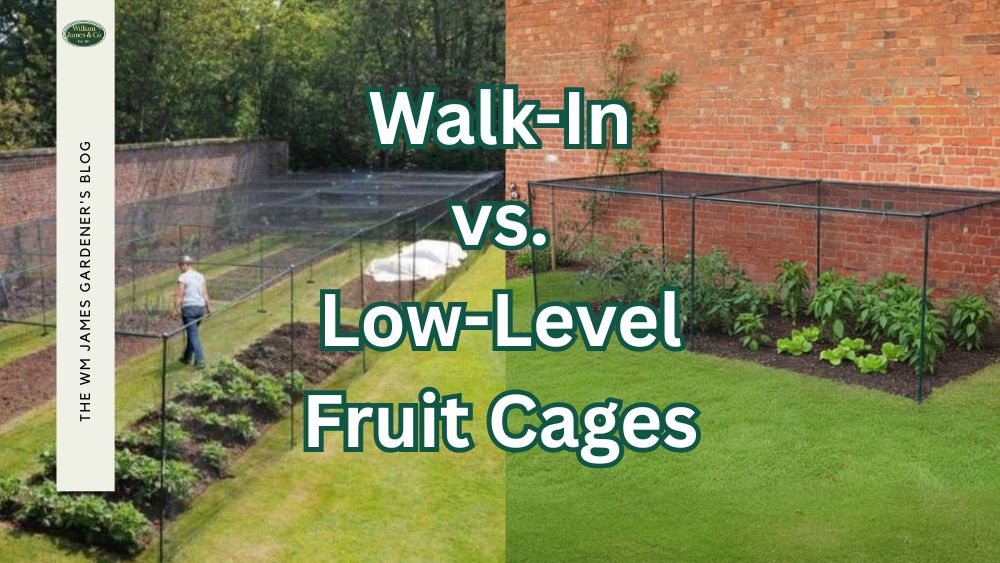
 Classic Steel Low Vegetable CageFrom: £144.30
 -
 Premium Aluminium Low Vegetable CagesFrom: £115.64
 -
 Premium Aluminium Walk-In Fruit Cage Frame & NettingFrom: £236.92

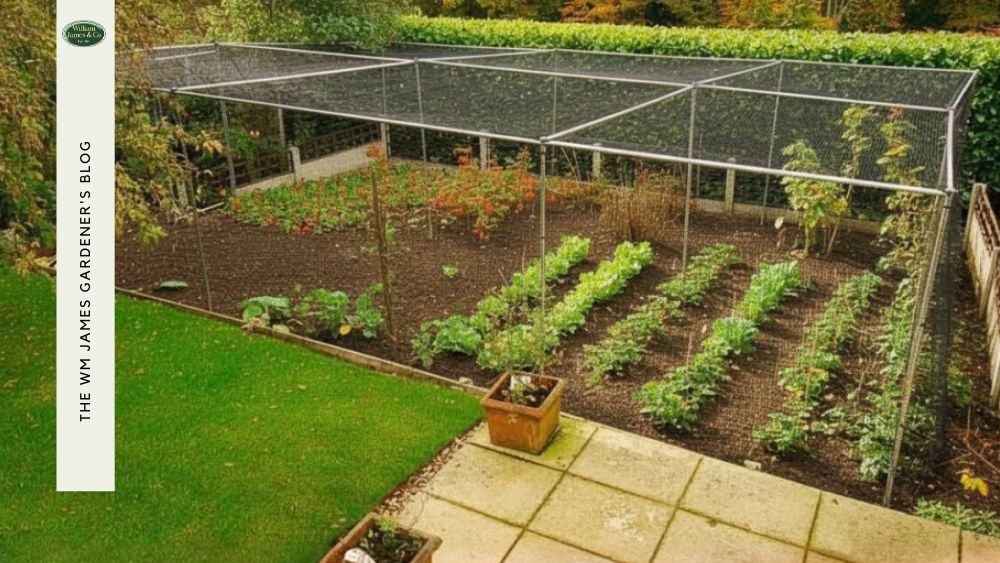
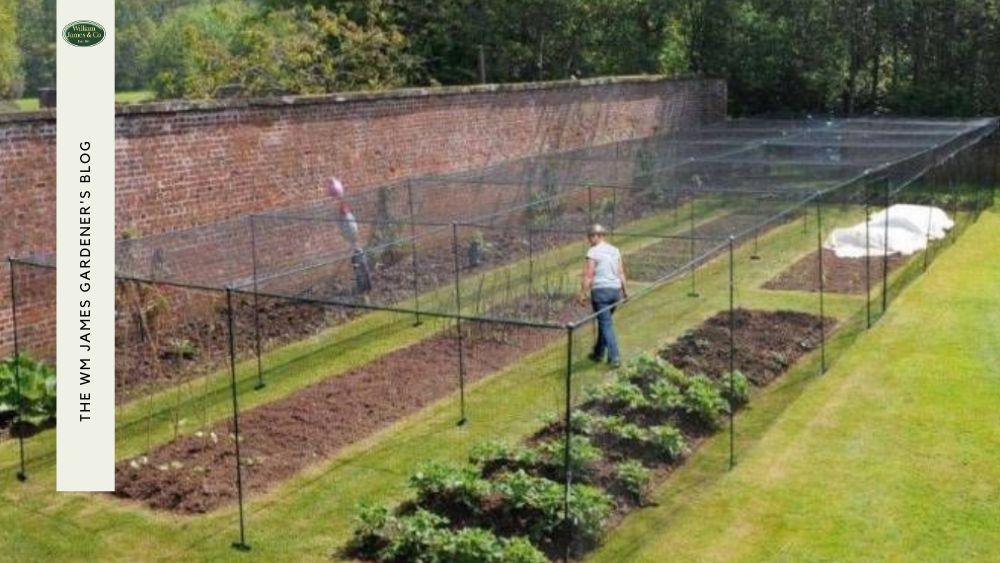
Using fruit cages or netting is one of the most effective ways to protect your stir-fry garden from pests. These barriers act as a physical shield, preventing pests such as insects, birds, and small animals from accessing your crops.
By covering your plants with fine netting or installing a sturdy fruit cage, you can keep pests at bay without relying on harmful chemicals.
Ensure the netting is securely anchored and has an appropriate mesh size to block pests while still allowing sunlight, air, and rain to nourish your plants.
This proactive approach helps safeguard your garden, ensuring healthy, thriving vegetables.
You can find more information in our detailed guide to buying fruit cages.
What Vegetables Should You Grow in a Stir-Fry Garden
You're free to grow whatever you like in your stir-fry garden to create the perfect stir-fry for you and your family, but here are some of our favourites to get you started, along with how to plant them and how long they take to grow.
Asian Aubergine
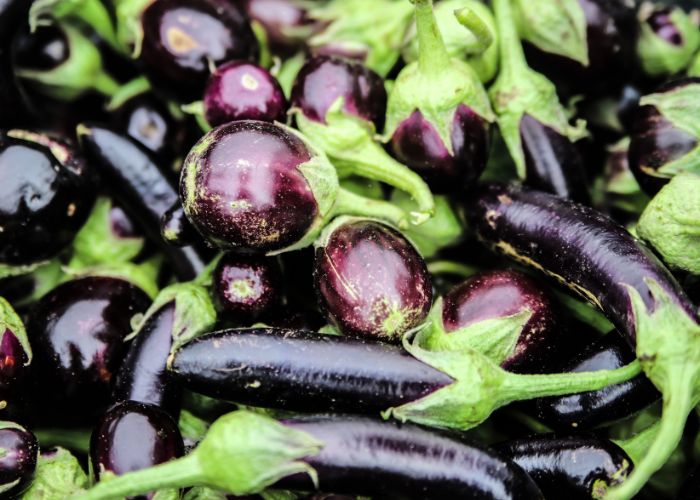
Asian aubergines are a great choice for your stir-fry garden thanks to their tender texture and mild, slightly sweet flavour.
To grow them, pick a sunny spot with well-drained, nutrient-rich soil. These plants love warm weather, so wait until after the last frost to plant.
You can start seeds indoors 6-8 weeks before the final frost or buy young plants from a nursery for a head start.
When transplanting to the garden, leave 18-24 inches between plants for good air circulation. Depending on the variety, these aubergines grow 2-4 feet tall, so you may need to stake them for support.
Keep the soil evenly moist (but not soggy) and add mulch to retain moisture and reduce weeds.
Asian aubergines are ready to harvest 60-80 days after transplanting. Pick the fruits when they’re 6-8 inches long with smooth, shiny skin.
Regular harvesting helps the plant keep producing, giving you plenty of fresh aubergines for your stir-fry recipes all season long.
Broccoli Varieties
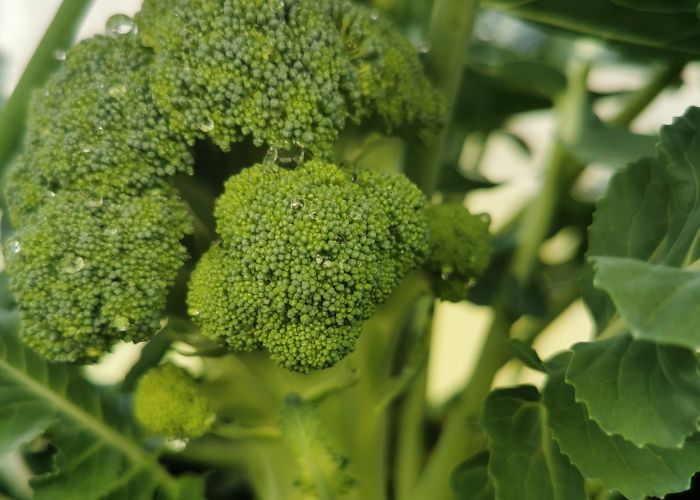
For broccoli varieties, you need rich, well-drained soil with lots of organic matter. Start seeds indoors 6-8 weeks before the last frost, as broccoli likes cool weather.
Once seedlings are 4-6 weeks old with at least two true leaves, plant them in the garden.
Give them 18-24 inches of space between plants and 24-36 inches between rows. Broccoli needs full sun and slightly acidic soil (pH 6.0-7.0).
Broccoli takes 60-100 days to grow from seed, depending on the type. Plants can get 18-30 inches tall and spread about 24 inches wide, so give them room.
Water regularly to keep the soil moist. Mulch can help keep soil moist and regulate temperature.
Harvest when the heads are firm and tight, before the flower buds open, for the best taste and nutrition.
Curly Kale
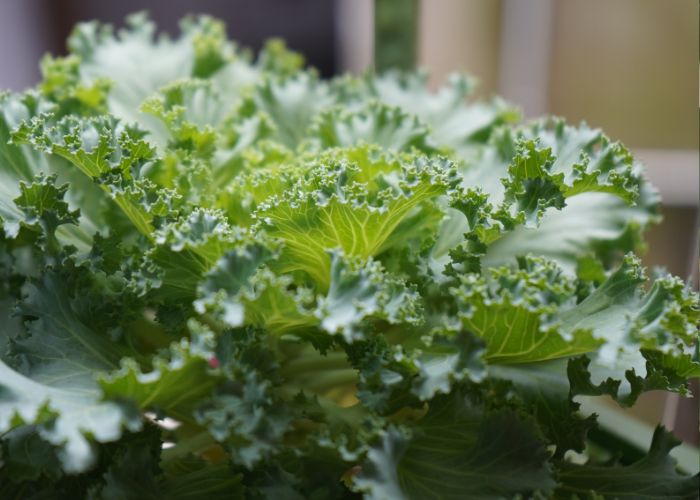
Curly kale is a tough, adaptable vegetable that grows best in cool weather. Plant seeds directly in well-draining soil, or start them indoors and transplant later.
Kale likes full sun but can handle some shade, especially in hot areas. Make sure the soil has compost or organic matter and a pH between 6.0-7.5.
Give plants 12-18 inches of space, with rows 18-24 inches apart, so they have room to grow.
Kale usually takes 55-75 days to grow from seed, depending on the type and conditions. Plants can reach 12-18 inches tall and wide, sometimes bigger if conditions are ideal.
Water regularly to keep the soil moist but not soggy. Mulch around the plants helps keep moisture in and soil temperature steady.
Pick the outer leaves when they're young and tender for the best taste. This encourages new growth, giving you a steady supply of fresh kale all season.
Pak Choi
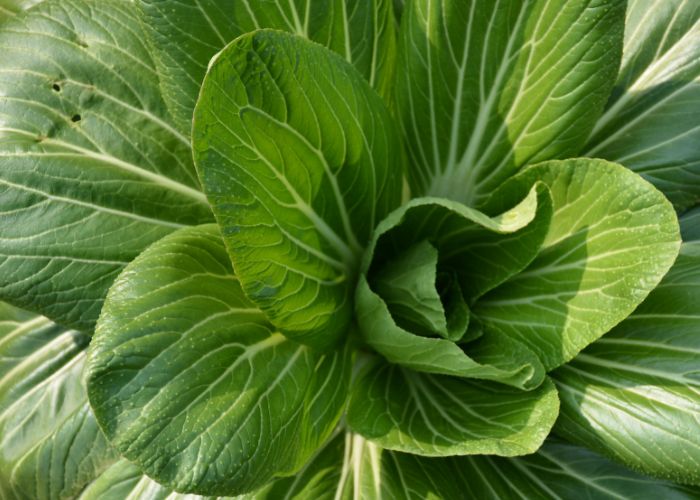
Planting pak choi is easy and can lead to a great harvest if you follow a few steps. First, pick a spot with good drainage and fertile soil.
The soil should be slightly acidic to neutral, with a pH between 6.0 and 7.5. Pak choi likes cool weather, so plant seeds directly in the ground in early spring or late summer to avoid the summer heat.
Plant seeds about a 1/2 inch deep. For small varieties, space them 6-8 inches apart; for larger ones, leave up to 12 inches between plants. Rows should be 12-18 inches apart to allow for good airflow.
Pak choi seeds usually sprout in 7-10 days. Depending on the type, they'll be ready to harvest in 30-50 days. You can pick "baby" pak choi in 20-30 days, or wait for larger heads to mature.
Plants typically grow 12-18 inches tall, forming a dense head with green leaves and white stems. Keep the soil consistently moist and add mulch to help hold in water and keep weeds away.
Carrots
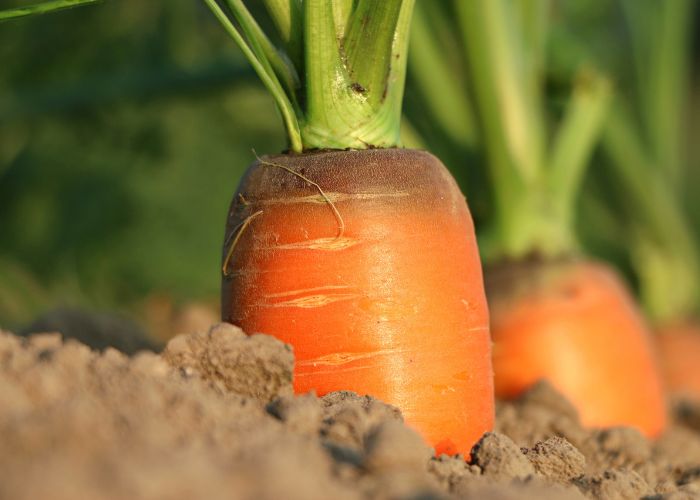
Carrots are a popular root vegetable that grows best in loose, well-drained, slightly sandy soil. Plant carrot seeds directly into the soil, about 1/4 inch deep and 1-2 inches apart.
Space rows 12-18 inches apart. Carrot seeds are small and take 14-21 days to sprout, so be patient.
Carrots are usually ready to harvest in 60-80 days, depending on the variety. Baby carrots can be picked in 30-40 days.
Full-grown carrots can be 2 to over 12 inches long. Keep the soil consistently moist, but not waterlogged, to help the roots grow. Mulch can save water, prevent weeds, and keep soil temperature steady.
Thinning seedlings regularly is also important to avoid overcrowding and allow proper root development.
Bell Peppers
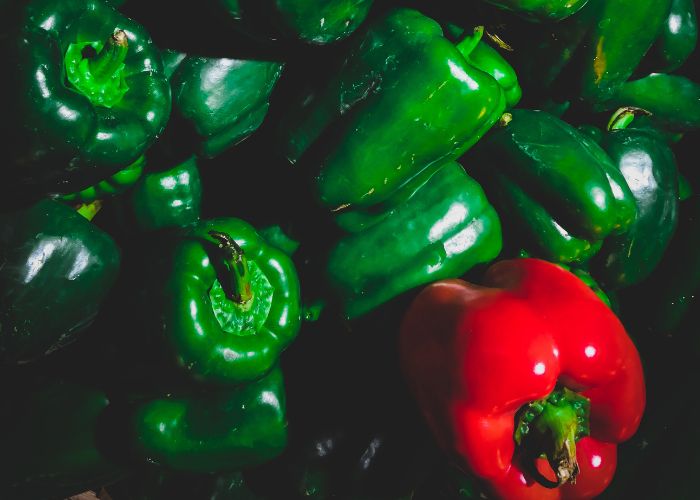
Bell peppers are a warm-season crop that grows best in sunny spots with well-drained, nutrient-rich soil.
Start seeds indoors 8-10 weeks before the last frost. When seedlings are 6-8 inches tall and outdoor temperatures stay above 55°F (13°C), transplant them into the garden.
Space them 18-24 inches apart to ensure good air circulation and growth.
Bell peppers take 60-90 days to mature after transplanting, depending on the variety. The peppers usually grow to about 3-4 inches long and wide, with a crisp texture and sweet taste.
Keep the soil evenly moist, but not too wet, and use mulch to help retain moisture and regulate soil temperature. Apply a balanced fertiliser in moderation to support healthy growth.
Harvest regularly to encourage the plant to keep producing peppers throughout the season.
Spring Onions
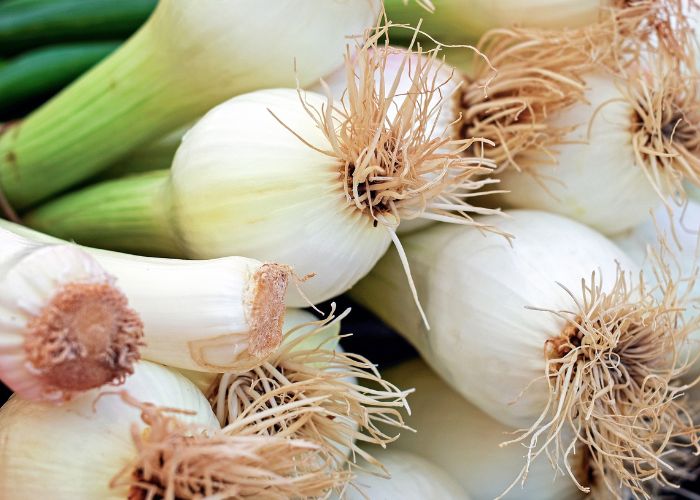
Planting spring onions is simple and rewarding. Sow the seeds directly into well-drained soil, either in garden beds or containers.
Make shallow grooves about 1 cm deep, space the seeds 1-2 cm apart, cover lightly with soil, and water gently. Spring onions grow best in sunny spots but can handle partial shade.
These fast-growing veggies take 8-12 weeks to mature, depending on the variety and conditions.
Young shoots can be harvested earlier for a milder taste. Spring onions typically grow 12-16 inches (30-40 cm) tall.
To keep them growing steadily, make sure the soil stays moist but not waterlogged. A light general-purpose fertiliser can also help their growth.
To harvest, gently pull spring onions from the soil as needed. Regular harvesting ensures a fresh supply and makes room for new growth.
Check Out Our Veg Planting Calendar
Final Thoughts: Make Your Garden An Edible Haven
A thriving vegetable garden is the perfect way to transform your outdoor space into a hub of health, learning, and beauty.
Growing your own vegetables not only boosts your healthy eating habits by providing fresh, organic produce but also offers a fantastic opportunity to develop new gardening skills.
Watching your garden flourish adds vibrant colours and life to your space, making it a joy to nurture and behold.
Discover more gardening tips and ideas from our expert green-fingered gardeners on the WM James blog!
Find More Gardening Tips on Our Blog
FAQs
What is the Best Month to Start a Vegetable Garden?
The best month to start a vegetable garden depends on your local climate, but generally, spring is ideal. Begin planting after the last frost to ensure healthy growth, focusing on seasonal vegetables suited to your region.
What Vegetables Should Not Be Planted Together?
Certain vegetables, such as onions and beans, should not be planted together as they can inhibit each other's growth. Similarly, avoid planting carrots near dill, and keep potatoes separate from tomatoes to prevent disease spread and competition.
Does Vegetable Netting Harm Vegetable Growth?
No, vegetable netting does not harm growth; instead, it protects crops from pests and environmental damage. Ensure proper installation to allow sufficient sunlight, water, and air circulation, promoting healthy development while safeguarding your vegetables.
How Long Does Pak Choi Take to Grow?
Pak Choi typically takes 30 to 45 days to grow, depending on the variety and conditions. It thrives in cool weather and requires consistent watering and sunlight, making it a quick and rewarding addition to your vegetable garden.

 RSS Feed