
 Quality garden equipment & accessories since 1954
 Free UK Delivery on orders over £100
 30 Day returns policy
Guide to Butterfly Pest Control: Cabbage White Butterflies & How to Stop Them Ruining Your Brassicas
- Admin
- WM James Gardening Blog
- 25 Mar 2026
-
153views
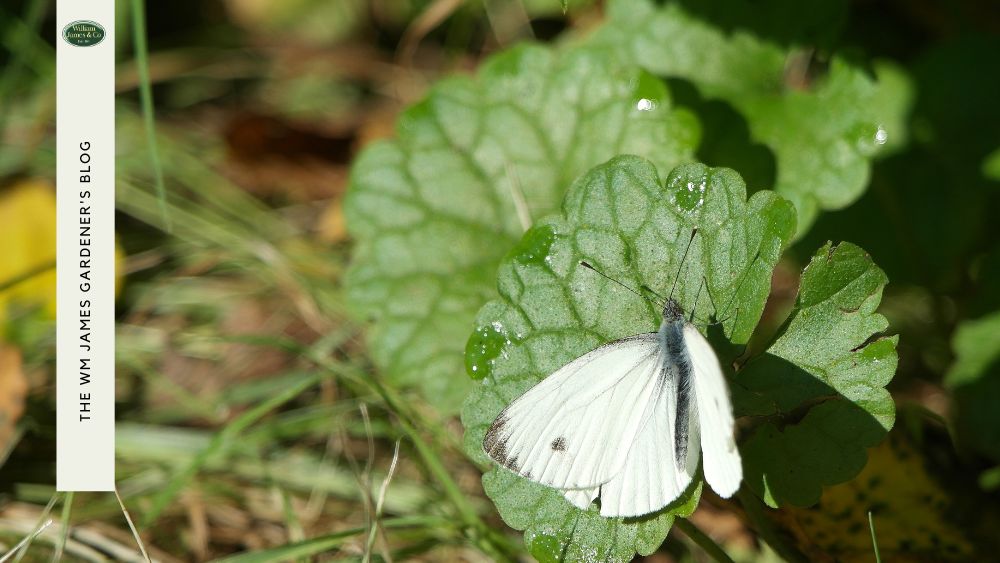
Are you struggling to keep your brassicas and other veggies healthy and pest-free? Cabbage white butterflies and their caterpillars could be running riot in your garden, keeping you from enjoying your produce. Read on for our butterfly pest control guide.
Despite butterflies having a good reputation for pollinating our gardens, some species, like the cabbage white, can lay eggs on your brassicas, causing caterpillars to hatch and eat their way through crops you worked hard to grow.
While some butterfly species are helpful, these are not. So, if you want to learn how to stop your cabbage white problem, find our guide to physical and organic control methods below.
Cabbage White Caterpillar & Butterfly Pest Control: KeyPoints
- Cabbage white butterflies lay eggs on brassica plants, which hatch into caterpillars that feed on crops such as cabbage, broccoli, kale, and cauliflower.
- The most effective butterfly pest control is using a physical barrier, such as butterfly netting or vegetable cages, to stop butterflies from reaching plants and laying eggs.
- Regularly checking the undersides of leaves helps gardeners remove eggs and caterpillars early, before serious damage occurs.
- Organic control methods such as hosing down plants, planting strongly scented companion plants, and encouraging natural predators can help reduce infestations.
- Installing protection early and sealing netting properly prevents butterflies from entering growing areas and protects brassicas throughout the growing season.
What Are Cabbage Caterpillars and Butterflies?
Cabbage white caterpillars are pests that typically frequent UK gardens with brassicas, like broccoli, cabbage, kale, cauliflower, etc.
Learn How to Protect Your Garden from All Kinds of Pests
These caterpillars are the larval stage of cabbage white butterflies. The butterflies lay their eggs on brassica plants, which then hatch into caterpillars. Once the caterpillars have eaten enough, they form a chrysalis and eventually emerge as butterflies, completing the lifecycle.
We think you might have heard that story before.
Both the caterpillar and butterfly can be present at the same time, making the pests a double threat to your produce.
Between the butterfly laying eggs on your plants and the caterpillar hatching and feeding on its leaves, you could end up with just the stems and veins of your crops.
Symptoms of Cabbage White Caterpillars and Cabbage White Butterflies
As we mentioned, cabbage white species take a liking to brassicas, so if you're noticing damage to the following plants, it could be them feeding:
- Cabbage
- Broccoli
- Kale
- Cauliflower
- Sprouts
- Radish
- Mustard greens
Discover Your Guide to Seasonal UK Fruit & Veg
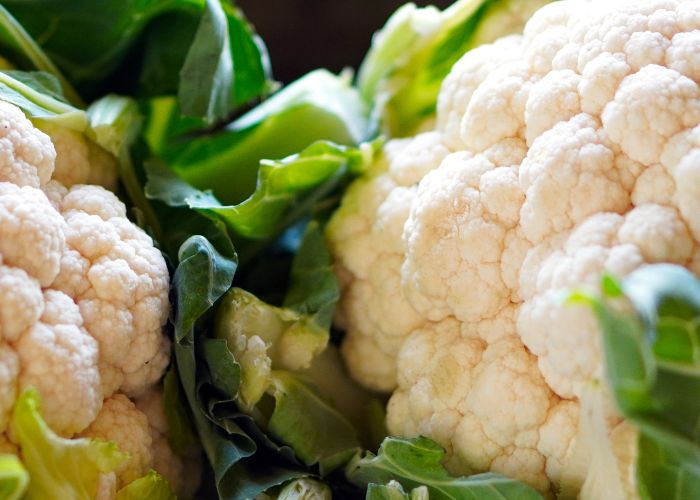
Below are the other symptoms of cabbage white caterpillars and butterflies to be aware of:
- Holes have been eaten out of the leaves of brassicas
- Caterpillars (green or yellow and black with obvious hairs depending on the species) or their droppings can be found on the plants
- Damage to the inner leaves
- Small clusters of eggs on the leaves
- Damaged hearts of vegetables
Physical Pest Control for the White Cabbage Butterfly
The most effective way to control your cabbage white butterfly/caterpillar problem is with a physical barrier.
These methods focus on preventing butterflies from laying eggs on brassicas, which is the best form of control.
Below are our top choices:
Butterfly Netting (Most Effective)
Fine insect or butterfly netting placed over brassicas prevents butterflies from landing and laying eggs. This is the most effective way to protect your crops.
Not only does it keep the insects out, but it keeps the water, airflow, and sunlight filtering in, so your plants still have access to all the nutrients they need to thrive.
Mesh sizes around 5-7mm are commonly used for these types of pests, and you can find that and even smaller mesh sizes in our selection below:


Our mesh netting is made from high-quality materials and can be easily draped over your brassicas or attached to a fence (with the correct fittings, of course).
It's also lightweight, making it easy to install and remove as and when needed.
Shop with us today, and get free UK delivery*!
Vegetable Cages (Most Effective)
Another top physical method of preventing these pests is with a vegetable cage.
This acts as a designated spot in your garden to grow your produce without being visited by damaging pests like cabbage white butterflies.
Veggie cages use the same netting as mentioned above, but with an added sturdy frame. You can find our options below:
-
 Classic Steel Low Vegetable CageFrom: £144.30
 -
 Premium Aluminium Low Vegetable CagesFrom: £115.64
 -
 Classic Steel Walk-in Fruit Cage Frame & NettingFrom: £327.70
 -
 Premium Aluminium Walk-In Fruit Cage Frame & NettingFrom: £236.92
Our vegetable cages are an ideal solution for protecting your crops from butterflies and other garden intruders.
Designed with durability and practicality in mind, these cages provide robust protection while being easy to assemble and dismantle.
Available in various sizes, they can accommodate everything from small garden beds to larger allotments.
Paired with our netting, they create a secure environment for your vegetables to flourish, keeping pesky butterflies and caterpillars at bay.
Explore Our Range of Vegetable Cages Today!
Hand Removal
In smaller gardens with minimal plants, gardeners can physically remove:
- Yellow eggs on the underside of leaves
- Green caterpillars feeding on foliage
Regular inspection can dramatically reduce infestations, but it isn't always easy to keep up with this, especially if you are discovering large clusters of eggs or several caterpillars.
We would always recommend one of the earlier methods above this, but it is a good starting point, especially if you only have a small veggie patch.
Butterfly Decoy
Because cabbage white butterflies can behave territorially, placing white butterfly-shaped decoys around crops can reduce egg laying by making butterflies think the area is already occupied.
You can make these from fabric cutouts, plastic, or anything you have lying around the house. You can even buy some butterfly decorations on metal prongs to give the effect of flying.
This method is less effective, but it can be a nice way to add decoration to your garden while helping to deter some pests.
Organic Pest Control for the White Cabbage Butterfly
Organic pest control methods, although less effective compared with physical methods, do have their place in the garden.
If you want to try something as a first port of call before installing anything physical or removing the pests by hand, or if you have a small area that doesn't require much attention, organic methods can work.
The following natural pest control for cabbage white butterflies and their caterpillars are our top recommendations:
Hosing Down Plants
Simply using a high-pressure hose with water on your brassicas can remove any eggs or stray caterpillars, exposing them to predators.
While this method is likely short-term, as butterflies may lay more eggs in the same place, it can work a treat if you spot any eggs you need to remove before they hatch.
Plant Strong-Smelling Companion Plants
Plants with strong scents may help deter cabbage white butterflies. Some of those include:
- Nasturtiums
- Marigolds
- Mint
- Dill
Planting these herbs and flowers around your brassicas or even in between rows can help deter the butterflies from laying eggs on your plants.
They can even help to encourage beneficial insects, like ladybirds and bees.
While this method is totally fool-proof, it can help, and there's no harm in adding to your vegetable patch!
Bacillus Thuringiensis
Bacillus thuringiensis is a natural soil bacterium that targets caterpillars. When sprayed on leaves, caterpillars ingest it while feeding and stop eating shortly afterwards.
This is a form of biological pesticide, so while it is a form of pesticide, it is naturally occurring and does not harm surrounding areas or beneficial insects.
Encourage Natural Predators
Another useful way to control cabbage white butterflies is by encouraging natural predators into your garden. Some organisms known to prey on the larvae of these butterflies include:
- Ladybirds
- Birds
- Lacewings
- Parasitic wasps
You can attract these beneficial insects by planting nectar-rich flowers like daisies, lavender, and sunflowers.
Providing shelter for them in the form of a bug hotel, leaving some leaf litter, or putting out some bird seed can also help.
Read More on How to Attract Birds to Your Garden
Homemade Sprays
Last but not least, homemade sprays. This can be a cost-effective, natural alternative to pesticides.
Some sprays that may work include:
- Boiling water and flour
- Garlic and water
- Washing up liquid and water
While these sprays can be a better choice compared to pesticides, which have strong levels of chemicals that can harm the surrounding environment, you still have to practice caution.
Since homemade sprays aren't specifically made and tested for use on the garden, there is a chance you could damage the surrounding area or kill beneficial insects, like bees and ladybirds.
Sprays that are too strong, applied too often, or aren't right for the job can do more harm than good.
Extra Tips for Successfully Deterring White Cabbage Butterfly and Caterpillars
To recap, your best bet at keeping the cabbage white butterflies and caterpillars at bay is with a physical barrier, like butterfly netting or a vegetable cage.
Find Plant Protection We Recommend & How to Use It
Below are some extra tips for success to ensure your brassicas are completely rid of the pests:
- Check plants regularly during the growing season: Inspect the undersides of leaves every few days during spring and summer, as this is where cabbage white butterflies lay their eggs. Catching eggs early prevents large numbers of caterpillars from hatching and damaging your crops.
- Install protection before butterflies arrive: Netting and cages work best when installed immediately after planting, before butterflies have a chance to lay eggs on your plants.
- Make sure netting is properly secured: Ensure the edges of your netting are tightly sealed against the soil or frame, and the fixings are intact. Even small gaps can allow butterflies to enter and lay eggs on your brassicas.
- Rotate where you grow brassicas each year: Moving brassica crops to a different part of your garden or allotment each year can help reduce pest build-up and improve overall plant health. Read more about crop rotation here.
- Remove damaged leaves promptly: If caterpillars have already been feeding, remove heavily damaged leaves to prevent further spread and help plants focus their energy on healthy growth.
- Harvest crops at the right time: Leaving mature brassicas in the ground for too long increases the chance of caterpillar infestations. Harvesting when crops are ready reduces exposure to pests.
Final Words on Butterfly Pest Control
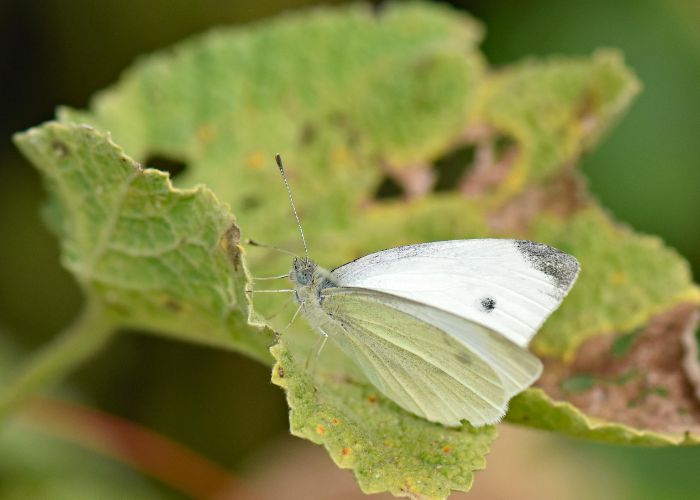
Cabbage white butterflies are not your usual, beautiful butterfly. As you've now heard, they can be a real nuisance to your garden, especially your brassicas.
If you've worked hard to grow your brassicas from scratch, we hope we've given you everything you need to stop the pesky butterflies and their caterpillars from ruining your crops.
If you'd like to find out more about keeping other garden pests off your produce, head to our blog, where you'll find information on rats, aphids, foxes, and more!
Here at William James & Co., we know a thing or two about keeping pests out of your outdoor spaces, thanks to our garden netting.
We have a selection of netting, including butterfly netting, that works to defend your crops against pests.
Made from high-quality materials that resist weather damage, our netting is made bespoke to your requirements. Whether you need to protect a small corner of your garden or a large, populated veggie patch, we have something for you.
Shop with us today and keep cabbage white butterflies off your brassicas!
*Get free UK delivery on orders over £100
FAQs
What Can I Use to Get Rid of Cabbage White Butterflies in My Garden?
Can You Get Butterflies in Your Garden in October?
Absolutely. Butterflies can be seen in gardens throughout the UK during the month of March right through to October, sometimes even November.
If there is sun in the sky and temperatures are above 14 degrees, the chance of seeing butterflies is higher.
What Eats Cabbage White Caterpillars?
Parasitoid and social wasps eat cabbage white caterpillars, so if you can tolerate those in your garden, there will be a good chance you won't have to deal with the pests yourself.
Birds, like sparrows and other small garden birds, are also predators of the cabbage white caterpillar.
What is the Best Homemade Spray for Cabbage White Butterflies?
There are a number of homemade sprays that can be used to remove cabbage white butterflies, including a mix of garlic and water and white flour and boiling water.
However, we always recommend using products and deterrents made for the garden that have been tested to work without damaging plants and the surrounding area.
The wrong, overly-strong, or frequently applied sprays can harm beneficial insects, ruin plants, or simply fail to work.
Related Posts

Categories
Recent Posts


 RSS Feed