
 Quality garden equipment & accessories since 1954
 Free UK Delivery on orders over £100
 30 Day returns policy
How to Deer-Proof Gardens 101
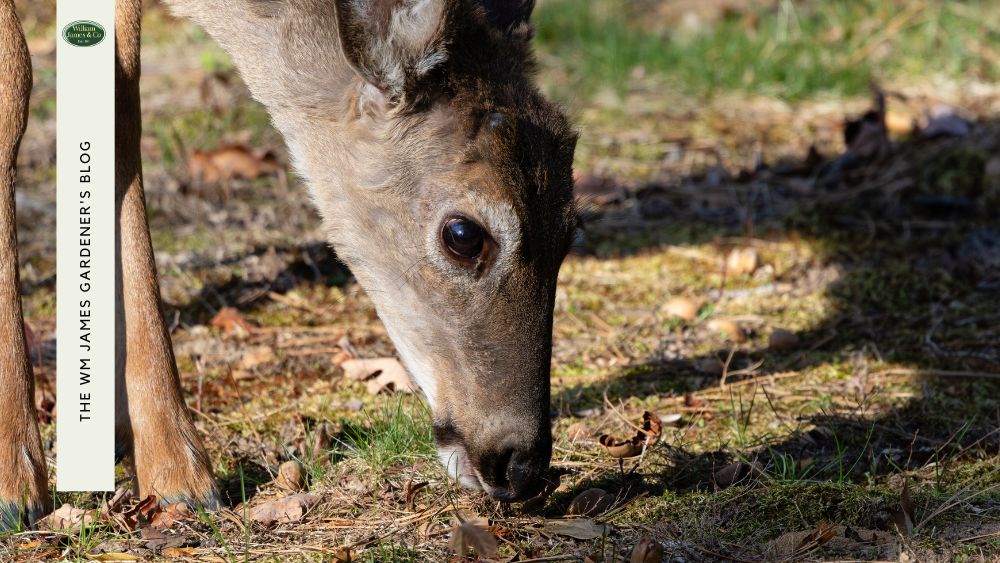
Have you got a problem with deer eating your flora? While the hoofed mammals are considered cute and whimsical, you probably don't think so when they're snacking on your favourite plants. To help, we've created a guide on how to deer-proof gardens.
If you live in a semi-rural/rural area, you'll likely have frequent garden visits from deer. Although they are often shy creatures, they won't shy away from grazing if you're growing something they like the look of.
But often, you won't know it's a deer problem you have — they're rather secretive!
If you suspect a deer is eating your vegetation, our guide will walk you through the measures you can take to stop them. Read on for deer-proofing gardens 101.
How to Deer-Proof Gardens: The Key Points
- The most effective way to deer-proof gardens is deer netting at 1.8–2m high with a 50mm mesh to prevent jumping and pushing through.
- Visual deterrents (lights, CDs, scarecrows) and noise devices can help temporarily, but must be rotated to avoid deer becoming used to them.
- Natural methods include planting deer-resistant plants and using strong scents like garlic, soap, or predator urine, though these are less reliable alone.
- Motion-activated sprinklers, sound devices, and the presence of dogs can scare deer away, especially when combined with physical barriers.
- Regular fence maintenance and seasonal checks are essential to prevent gaps, storm damage, and long-term failures in protection.
Physical Barriers for Deer
- Deer-proof fencing (netting)
- Visual Deterrents (Security lights, CDs, scarecrows)
One of the most effective ways to keep deer from your outdoor space is with physical barriers.
Deer are likely to favour the easier route to food. If they can't move through, they'll probably move and find somewhere else to graze.
However, if your physical barriers aren't up to scratch, they can easily break through (often getting tangled, which can be harmful) or push underneath, exposing your garden.
While it's not likely they'll chew through physical barriers, if they aren't strong enough, the deer can find a way.
Below are options you can try for physical barriers against deer.
Deer-Proof Fencing (Netting)
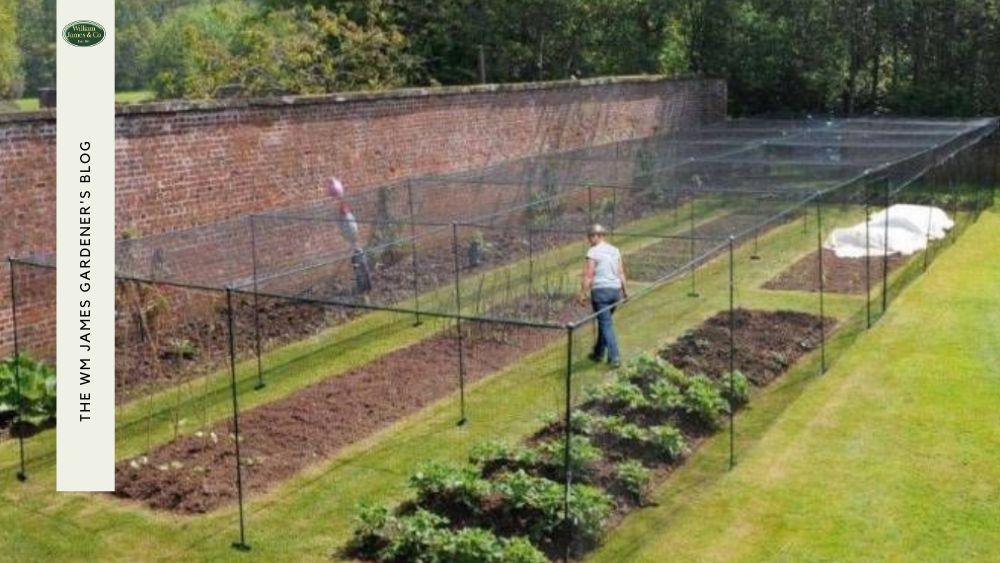
Deer netting fences are the most popular and effective option for deterring deer from entering gardens. They are lightweight, relatively inexpensive, and easy to install, making them a practical solution for many homeowners and gardeners.
Find Out How to Use Fence Netting to Protect Your Plants
However, it is important to make sure the netting is at least between 1.8m and 2m. This is the standard height for deer netting to prevent Roe Deer from jumping over it.
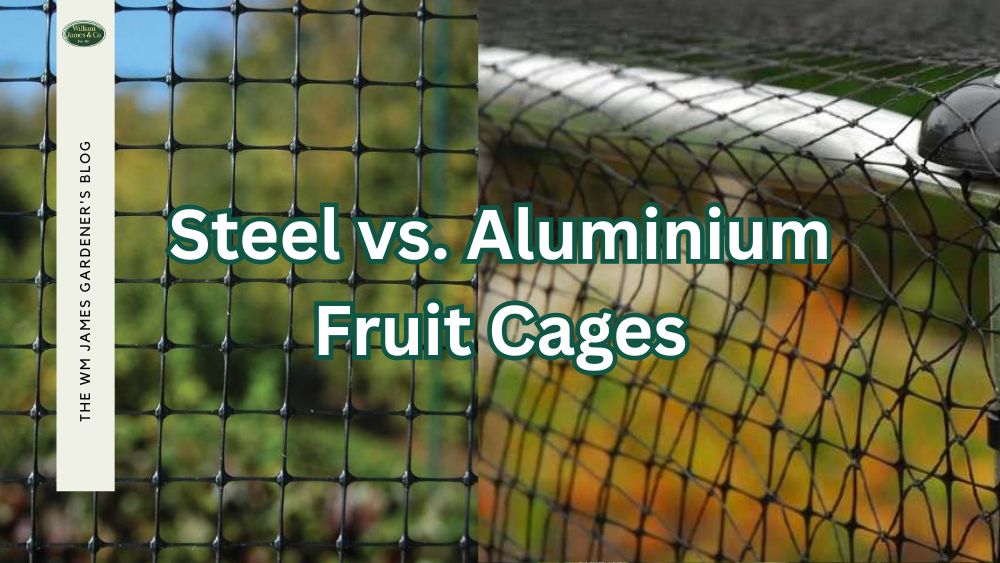
As for mesh size, 50mm is the ideal choice for deer protection, offering a perfect balance between strength and functionality.
This specific size is small enough to stop deer from pushing through or accidentally catching their hooves in the netting.
At the same time, it is large enough to ensure optimal sunlight and airflow reach your plants, keeping your garden healthy while staying secure.
Our 80gsm extruded polyethylene netting is a durable and reliable solution for deer protection.
Crafted from premium materials, it’s designed to resist wear, tear, and harsh weather conditions.
Lightweight yet strong, the 80gsm construction ensures easy handling and installation without compromising durability.
The UV-stabilised polyethelene protects against sun damage, extending the netting’s lifespan. This makes it an excellent choice for effective, long-term deer management.

You'll also need support posts and other equipment to ensure the deer-proof fencing is properly installed and tensioned.
You can find all this information and more in our extensive guide on how to install deer netting in your garden.
Discover Our Guide on How to Install Deer Netting
Visual Deterrents
Visual deterrents can also be used to deter deer from gardens. They aren't the most effective, and fencing is always the favoured method, but for a quick fix, you can try some of the following:
- Security lights: Deer can be spooked by lights on a motion sensor.
- CDs: Yes, you read that correctly. Deer can often be spooked by old hanging CDs that move in the wind. The unpredictable reflections of light can be enough to turn them away.
- Scarecrows: The physical presence of a scarecrow (it shouldn't be too tall, or it won't reach the deer's eye level) can work to make the deer reconsider.
The important thing to remember with visual deterrents is that deer can get habituated (used to) them, and won't prove as effective.
To stop habituation, you should move the object around your garden every few weeks to ensure they don't see it as a stationary non-threat.
Natural Deer Repellents
- Deer-resistant plants (bee balm, catmint, lavender, origanum, rhubarb, onions, carrots, most herbs, strong odours)
- Strong odours (Cinnamon, diesel, garlic, human hair, fennel, predator urine, Irish Spring soap)
We understand that some gardeners prefer to keep the rustic look without introducing fencing, netting, and other physical objects that don't naturally appear in gardens.
If you'd prefer to go down the natural route to deal with your deer problem, you also have a number of options.
As we said earlier, the most effective method of deer prevention is a physical barrier like net fencing, but using natural methods as a first port of call can ease the issue.
Below are some options.
Deer Resistant Plants
There is a selection of plants that deer won't touch, mainly because they don't like the smell or it's toxic for them to ingest.
By planting some in your garden, there is a chance they will be wholly deterred, without going after the plants they do like.
However, this method isn't foolproof; they may just dodge the non-appetising plants, making a beeline for the tasty roses and fruit.
The following is a list of deer-resistant plants you may be safe to grow:
- Bee balm
- Catmint
- Lavender
- Origanum
- Rhubarb
- Onions
- Carrots
- Most herbs
Remember, no plants are totally safe from herds of deer.
In areas where food is scarce, deer will feast on anything they can, especially during periods of drought. They get much of their water intake through plants, so to avoid dehydration, they may eat plants they wouldn't usually.
Strong Odours
Another natural deer deterrent is strong odours. Some of the plants above have strong smells, which is why deer aren't too fond of them. Below is a list of other scents that deer tend to avoid. Incorporating these into your garden may help deter them.
- Cinnamon
- Diesel
- Garlic
- Human hair
- Fennel
- Predator urine
- Irish Spring soap
The important thing to note is that using these scents isn't going to harm the deer. Deer rely heavily on their sense of smell to find food and detect predators. If they smell something they don’t like, they tend to steer clear.
Noise and Other Scare Tactics for Deterring Deer
- Motion-activated sensors (water sprinklers & sound devices)
- Presence of dogs
The final method of deterrence to try is noise and other scare tactics that aren’t visual. These are used to startle the deer, and work best when a combination is used.
They're also most effective when rotated.
By using the same noise in the same spot in the garden, it's likely the deer will get used to the uncomfortable surroundings. When used unexpectedly, you have more of a chance of warding the deer off.
Below are some of the methods you can try.
Motion-Activated Sensors
We've already talked about motion-activated lights, but you can also find motion-activated water sprinklers and sound devices.
Anything unexpected, whether that be sound, touch, or sight, is likely to scare the deer off.
These devices are made to startle, not harm, making them a humane option for gardeners seeking to deter deer without compromising their safety.
You may also find that you deter other garden pests, like foxes, cats, and birds, with these kinds of deterrents.
However, results may vary, with some deer being much more accustomed to human life than others.
Presence of Dogs
Last but not least, the presence of a dog is likely to stop a deer from entering your garden.
While we don't expect you to buy a dog for the sake of reducing your deer problem (although it's a great excuse if you're trying to convince someone!), even if you have a dog in the family that visits, that can be enough.
As we've mentioned, deer are sensitive to smells. If a dog has been in your garden, used it as a loo, or just brushed up against plants, deer may sense that and steer clear.
However, large dogs that roam and bark in the garden act as a better deterrent than small dogs that pose little threat.
Plus, bold deer may simply ignore the presence of a dog if food is a high priority.
This is not a fool-proof solution, but if you have a dog that won't harm deer — just scare them off — it can be a good idea to let them roam the garden.
Deer-Proofing Your Garden: Extra Tips for Success
We've already given you some effective methods to reduce deer visits to your garden, but there are ways to increase the chance of success.
Below are some extra tips to consider to help you keep your garden deer-free.
Maintenance Checklist for Your Deer-Proof Fencing
Small gaps and wear are one of the main reasons deer get through established physical defences like netting fences.
For optimum effectiveness, you should:
Key Deer-Proofing Steps
- Check fencing tension every 2–3 months
- Repair loose pegs and posts immediately
- Trim plants away from netting edges
- Re-secure any lifted ground sections
- Replace UV-damaged netting early
Shop Netting Replacements & Accessories Here
Seasonal Protection Advice
Different seasons require different deer-proofing methods. Here’s what you should be aware of each season, and the course of action you should take.
| Season | Main Risk | Recommended Action |
|---|---|---|
| Spring | New shoots | Inspect fences weekly & start sowing new deer-resistant plants. |
| Summer | Drought grazing | Reinforce barriers & avoid using sprinkler systems where possible, as deer may see them as a source of hydration. |
| Autumn | Food scarcity | Add extra deterrents. |
| Winter | Boundary damage | Check storm impact on physical barriers. |
Common Mistakes to Avoid
Lastly, there are a few mistakes gardeners often make, which increase deer intrusions. Here is a selection of those common mistakes, so that you can avoid them:
- Leaving gaps under fences
- Relying on one deterrent only
- Not rotating scare devices
- Ignoring early signs of damage
Summary: Keeping Your Plants Safe from Deer
With all the knowledge we have on deer-proofing gardens, you should now be able to keep the animals at bay and start enjoying your garden again.
Don't be afraid to grow some deer favourites, like roses, either. With physical barriers, like netting and deer-proof fencing, in place, everything in your garden should be safe from nibbling herbivores.
Remember, deer are wonderful creatures, so do your best not to harm them in the process. Using our advice, you'll be able to keep them from your garden safely.
If you're having problems with other wildlife, be sure to check out our blog, where we have advice on rats, foxes, cats, and more!
Protect Your Garden with W.M. James Deer Netting
Keep your garden safe from deer with our durable, professional-grade netting. Designed for long-lasting protection, our premium netting creates a secure barrier to safeguard your plants and flowers.
Take control of your garden's safety and explore the W.M. James range of heavy-duty deer netting and installation accessories for a reliable, hassle-free solution.
FAQs
How do I know if a Deer is Coming Into My Garden?
Deer tend to be active at dawn or dusk, so it's rare that you'll notice one coming to feed in your garden; however, there are telltale signs that the animals are coming frequently:
- Shoots, buds, and foliage are gone from plants
- Ragged woody stems where shoots once were
- Bark from trees is missing
- Fraying on trees
- Hoof prints
Do Deer Eat Roses?
Yes! In fact, deer love eating roses.
Deer tend to strip the plant, typically leaving the stem only, which is likely to kill your bush, climbing plant, or beds.
What Plants Do Deer Not Eat in the UK?
There is a selection of plants that deer do not eat in the UK, so if you have a problem with them, you're safe to plant the following:
- Strong scented plants (garlic, onion, etc)
- Root vegetables
- Hydrangea
- Iris
- Lavender
- Poppy
- Primula
Read the blog post above for more information on natural deer deterrents!
How Do I Deer-Proof My Garden at Night?
Deer tend to graze gardens at dusk, so it's important to put measures in place for this time of day, when it's not likely you'll be in your garden to shoo them off.
Physical barriers like deer netting fences are effective at keeping them out. Motion-activated devices, visual deterrents, and plant deterrents can also be used, although they can be less effective.
Read all about deer-proofing your garden in the blog post above!


 RSS Feed