
 Quality garden equipment & accessories since 1954
 Free UK Delivery on orders over £100
 30 Day returns policy
Seasonal Fruit Cage Maintenance Checklist
- Admin
- Gardeners Diary
- 26 Aug 2025
-
0views
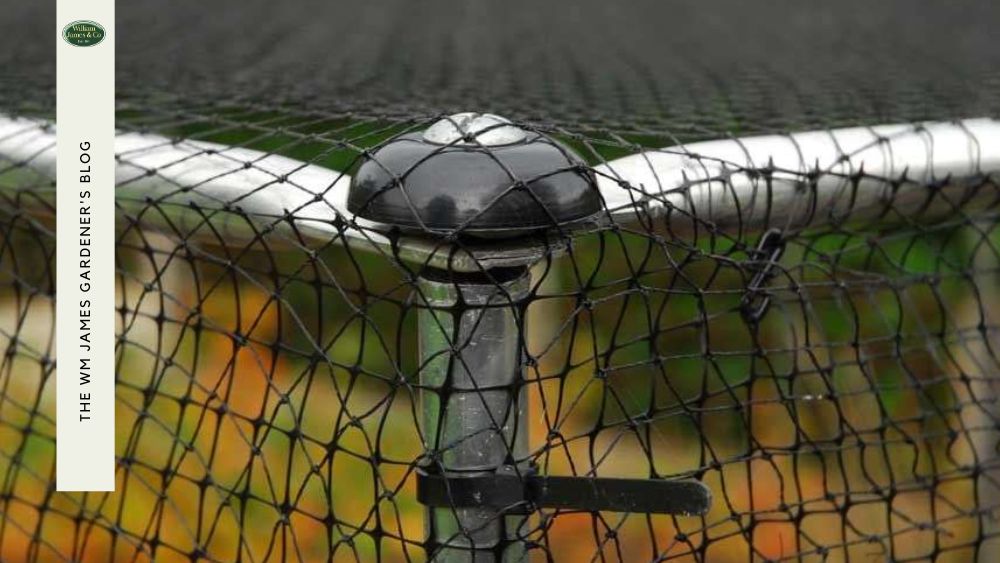
Welcome to your seasonal fruit cage maintenance checklist! We’ve covered all the details on the importance of maintenance and exactly how to maintain your fruit cage season by season, so you can get the most out of your garden structure.
Whether you're new to fruit cage growing or you've not been having much recent luck, our guidance and tips will turn you into a fully seasoned fruit cage grower in no time.
A Short Summary…
- Inspect and maintain your fruit cage each season to protect crops and extend its lifespan.
- Deep clean netting and frames in spring and autumn to prevent pests, mould, and debris build-up.
- In winter, remove or roll back roof netting if snow is forecast to avoid sagging or tears (unless using William James netting, which is snow-proof).
- Small tears can usually be repaired; heavily damaged netting should be replaced using spare parts.
Why Fruit Cage Maintenance Matters All Year Round
Fruit cages should be an essential part of any gardener's equipment for protecting their crops, which they worked so hard to sow and grow. But they're only as effective as the care you give them.
Fruit cages tend to be permanent structures, so many people assume you can just leave them to work their magic in the garden.
However, this isn't actually the case, and ongoing maintenance is what keeps your fruit cage long-lasting and delivering strong harvests season after season.
Neglecting small issues, like a loose net, sagging frame, or gapping, can lead to bigger issues, like birds finding their way in, crops getting eaten, or unfixable damage from storms.
However, a few checks each season can prevent costly repairs or early, unnecessary replacements.
Regular maintenance also protects the investment you made in your cage.
At William James, our UK-made fruit cages are built to last, but like any garden structure, they need protection from the elements, pests, and wear over time.
A consistent maintenance plan ensures:
- Consistent crop protection
- Longer product lifespan
- Safer growing conditions
- Better growing conditions
We'll show you exactly how you can do this in the checklist below!
Your Seasonal Fruit Cage Maintenance Checklist
Your fruit cage isn't a structure you can install and forget about — regular seasonal maintenance is essential to its longevity and ability to protect your precious plants.
That's why we've created this guide on exactly how you should do this all year round, so you can get the most out of your fruit cage.
Here is your seasonal fruit cage maintenance checklist.
Spring (March-May)
Spring is the time of year when things are really kicking off in the garden. Winter has passed, warmth is coming, and it's time to get busy growing your own produce.
But you can't do much of that unless your fruit cage is up to scratch.
First things first, inspect for winter damage.
While you'll carry out some winter maintenance, you probably won't have a proper grasp of what's going on out there due to the cold, wet conditions of the unpredictable UK.
Frames, joints, pegs, and everything else need a good inspection to ensure your spring-sown plants are not damaged.
Remember, fruit netting maintenance is just as important as frame maintenance.
Here are our other suggestions:
- ☑ Clean all netting and doors: Netting and doors may be thick with cobwebs, dirt, leaves, and other debris that can attract pests and block sunlight from reaching your plants inside.
- ☑ Refit or tighten cage netting after snow or strong winds: Strong winds and other adverse weather can loosen the fixings on your fruit cage, so they might need to be tightened before use to ensure safety.
- ☑ Weed control inside the cage: If you haven't been growing anything through the winter, you might have neglected your weeding. Now is a good time to pick it up again, especially if you plan to start sowing.
- ☑ Check soil condition and drainage before planting: Your soil might have become a little compacted over the winter, so we suggest aerating it, adding sand for drainage, and mixing in homemade compost to get it back up to scratch.
Heavy Duty Plastic Fruit Cage Side Netting
Fruit Cage Mushroom Cap and Bolt
Steel Single Fruit Cage Replacement Door 2m x 1m
Heavy-Duty Steel Ground Pegs 18cm (Pack Of 10)
Summer (June-August)
During summer, when planting, growing, and harvesting are in full swing, fruit cage maintenance is essential because it could mean the difference between healthy and unhealthy crops.
Since summer is rife with insects, birds, and other creatures that stalk the night, you need to ensure you're keeping a good eye on your fruit cage — they won't hesitate to intrude.
During these warm months, it's suggested you check your fruit cage daily for unwanted visitors, particularly for signs of aphids, spider mites, black birds, pigeons, and squirrels, who can do some real damage to your crops if there is any damage to the fruit cage.
For the rest of the summer, you should:
- ☑ Ensure doors fully close: If you keep your doors open at night, expect to wake up to no crops left! If you're having issues with your door, we recommend replacing it.
- ☑ Monitor crop weight pulling on the cage netting: Tall plants that climb or lean might latch onto the netting and use it as a support structure. This will only damage the netting, and you should get proper support for these types of plants.
- ☑ Clear excess foliage near edges: This will prevent any pesky tears to your netting.
- ☑ Consider shading nets for vulnerable crops in heatwaves: Some plants can't handle the heat and need a bit of extra protection. Shade netting will do this perfectly, meaning you don't have to move that plant outside the cage.
Dark Green Windbreak & Shade Netting
Light Green Windbreak & Shade Netting
Autumn (September-November)
As the autumn months roll in, so does the cooler weather — most pleasant for various plants.
While you'll still carry out similar jobs as spring and summer, you'll also have to factor in prepping for winter towards the end of the season.
Read More: Grow These 8 Vegetables in September!
Autumn is a season pests love. Being underneath fallen leaves is like heaven for them, but not for your plants.
The number one thing you should be doing throughout these months is keeping on top of fallen leaves and debris.
The decaying fallen matter is a breeding ground for fungus, disease, and bacteria, which can lead to infestations in your fruit cage. It's paramount that you get rid of anything in your fruit cage that you didn't put there.
Here are our other autumn recommendations:
- Harvest remaining crops & remove exhausted plants: You don't need to remove everything if you plan to grow through the summer, but if not, now is a great time for final harvests.
- ☑ Clean cage netting thoroughly if storing it away: Some people like to remove their netting in the winter. With William James netting, you don't have to, but with others, you may want to stop deterioration from the elements. Before you store, ensure your netting is clean, so bacteria don't fester and spread.
- ☑ Check pegs & anchors for rust or movement: As the weather gets wetter, windier, and colder, you should check your fixings for any sign of movement or rust. If you do spot anything, be sure to tighten and treat it as soon as possible.
Winter (December-February)
The UK winter can be pretty tough on garden structures and plants alike, so maintenance this month is more like damage control and prevention.
If you still plan to grow crops during the colder months, you might want to consider using a greenhouse or windowsill gardening to ensure your plant is kept in the right conditions.
See Our Favourite 8 Winter Vegetables to Grow at Home
Some plants, however, like hardy perennials and veggies, can be left outside in your fruit cage over the season, so you should do what you can to protect them.
The biggest consideration is your structure's roof netting. Some gardeners like to remove it during the winter so it doesn't get damaged or sag due to heavy rain or even snowfall.
Here are our other recommendations:
- ☑ Inspect metal for rust: Due to winter's wet conditions, your structure might become rusty, and if so, you should seek treatment. Thankfully, the fruit cages at William James are extremely tough in harsh weather conditions, so you won't need to worry about rust.
- ☑ Clear any overhanging branches: If your fruit cage is situated under a tree or large bush, you might want to remove any overhanging branches from above that can fall and damage your structure and plants.
- ☑ Review the past year: Now that you've completed a year with your fruit cage, it's a good time to evaluate what went well and what didn't work out so well throughout the year. Make notes on what you would change for the following year to get the most out of your structure.
Common Mistakes to Avoid in Fruit Cage Maintenance
Even experienced growers can overlook the small details that make a big difference in fruit cage upkeep.
Below are some of the most common mistakes we see, and how to avoid them to keep your crops protected and your fruit cage in top condition.
Leaving Roof Netting on During Snowfall
We talked a little about this earlier, but snow can quickly build up on flat or sagging netting, which can cause tears or frames to buckle, especially if it goes unnoticed.
However, this isn’t necessary with a William James fruit cage, as our netting is snow-proof.
Ignoring Small Damage
Even the damage that seems insignificant can lead to bigger problems. We offer a range of spare parts, so it's best to get anything fixed as soon as you see it. No matter how small, fruit netting repair is always essential.
Browse Our Fruit Cage Spares Range
Using the Wrong Netting
Netting too loose or the wrong size mesh can restrict pollinators or let larger pests right on in. It's also more likely to degrade over time.
Choose custom netting designed for fruit cages, and be sure to put in your exact measurements.
Forgetting About Pollination
A completely sealed fruit cage can stop pollinators, like bees, from reaching your crops during the critical flowering period, leading to poor yields.
Choose a mesh large enough for access, and keep pollinator-friendly plants near the cage entrance.
Not Anchoring the Frame Properly
Strong winds or dry soil can loosen anchoring points, causing the frame to shift and strain joints, leading to collapse in extreme weather.
Skipping Post-Harvest Clean-Up
After the fruiting season, many growers simply walk away until spring. But leaving rotten produce, fallen leaves, or damp netting inside can attract pests and cause fungal issues, even next season.
Not Keeping Records of What Went Wrong
If something fails during the growing season, you'll want to remember it next year, so don't forget to keep notes or a fruit cage log.
Final Words: Keeping On Top of Fruit Cage Maintenance
Whether you're looking for maintenance tips, replacement netting, or a new structure entirely, be sure to come to William James for all your fruit cage needs!
We have everything you need for a fruitful growing season inside your garden structure, and we know you can do so successfully with our expertise.
So, if you're looking to purchase replacement or new products before next season, check out our specialist equipment below. Order today for free UK delivery*!
And if you need any more help and advice on all things gardening, head to our blog! With more than 60 years in the horticultural industry, we know a thing or two about fruit cages.
Happy fruit cage gardening!
*Get free UK delivery when you spend £100 or more.
FAQs
Should I Remove Fruit Cage Netting in the Winter?
If snow is forecast, it might be best to remove the roof netting during the winter. Snow can get quite heavy and pile up in one spot, causing the netting on the roof to sag and potentially tear.
But if you have a fruit cage and netting from WMJ, you won't need to do this because our netting is fully weatherproof, including snow.
Can I Repair a Torn Fruit Cage Net, Or Do I Need to Replace It?
It depends on the size and location of the tear, but usually it can be fixed rather than replaced.
If it's minor, you can use garden twine, spare netting, or netting clips to patch up the issue, extending the life of your netting, especially if the rest is in good condition.
If the netting is badly torn, out of shape, or has multiple areas of damage, it might be better to replace the whole netting.
What's the Best Way to Clean a Fruit Cage?
Along with regular sprucing, you should aim to deep clean your fruit cage twice a year, preferably in spring and autumn.
To do so, you should remove old crops, leaves, and debris, brush down the frame, and carry out fruit netting maintenance by cleaning the netting with warm, soapy water and disinfecting it if pests or mould are present.
Of course, while you do this, you should check for damage and movement.
Do I Need to Take My Fruit Cage Down in the Winter?
You don't! The fruit cages from WM James are permanent structures that don't need to be removed during the winter, because they're extremely weather-proof and durable against the elements.
Related Posts



Categories
Recent Posts



 RSS Feed